Portable Air Purifier: Your Guide to Fresh Air Anywhere
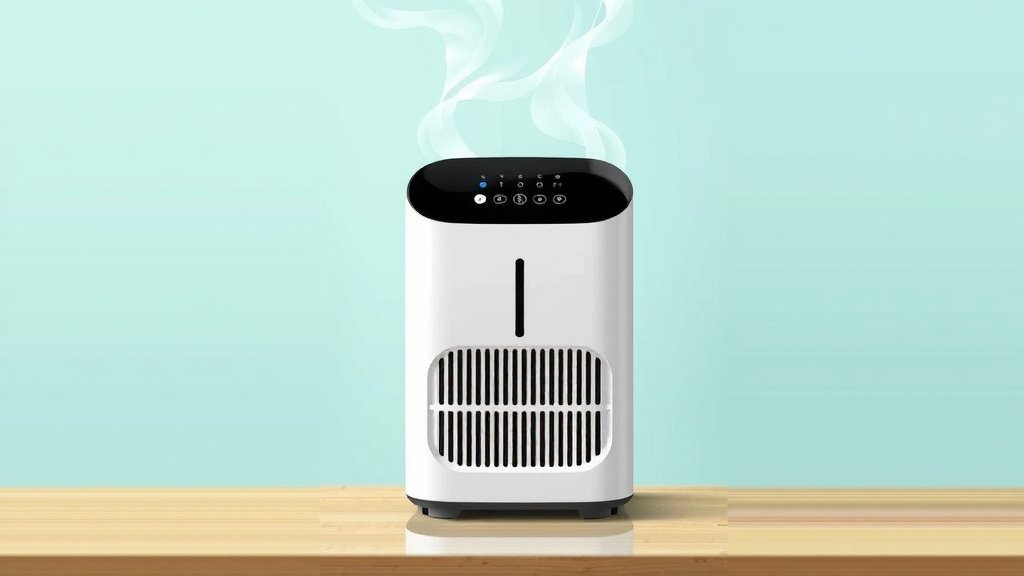
Using a portable air purifier is simple and can make a big difference in your home’s air quality. You just need to plug it in, place it where you need clean air, and turn it on. It’s designed to be user-friendly, so you can start breathing easier right away. Think of it as your personal air superhero, ready to tackle dust, pollen, and other yucky stuff.
Portable air purifiers are great for specific rooms like your bedroom, office, or nursery. They use filters to capture tiny particles that can bother your allergies or make the air feel stuffy. Many models also have quiet settings, so you can enjoy cleaner air without a lot of noise. We found that proper placement really helps them work their best.
- Plug it in and turn it on.
- Place it in the room you want to purify.
- Choose a setting that works for you.
- Change filters as recommended.
Let’s walk through exactly how to get the most out of your portable air purifier, step by step. Let’s walk through exactly how to get the most out of your portable air purifier, step by step.
Getting Your Portable Air Purifier Set Up and Running
So, you’ve got your new portable air purifier. That’s fantastic! You’re likely wondering how to get it working its magic. It’s really quite simple. The goal is to have it cleaning the air in your chosen space as quickly as possible. We found that most models are designed with ease of use in mind. Think of it like setting up a new coffee maker – plug it in, add water (or in this case, no water needed!), and press a button. That’s the basic idea.
Your portable air purifier is ready to start improving your indoor air quality right out of the box. Its main job is to capture airborne particles like dust, pollen, pet dander, and even smoke. These tiny invaders can really make a difference in how you feel. They can trigger allergies or just make your home feel less fresh. Your purifier acts like a tiny, mighty vacuum for the air itself.
Where Should You Place Your Air Purifier?
Placement is key for your air purifier to work effectively. Where you put it can affect how well it cleans the air in a room. You want to give it the best chance to circulate and capture those pesky particles.
Choosing the Right Room
Think about where you spend the most time. Is it your bedroom where you sleep? Your home office where you work? Or maybe a nursery for your little one? These are excellent places for a portable air purifier. Focusing on these high-traffic areas will give you the most benefit. Many people find their bedroom air feels noticeably better. This can lead to more restful sleep.
Optimal Positioning Within the Room
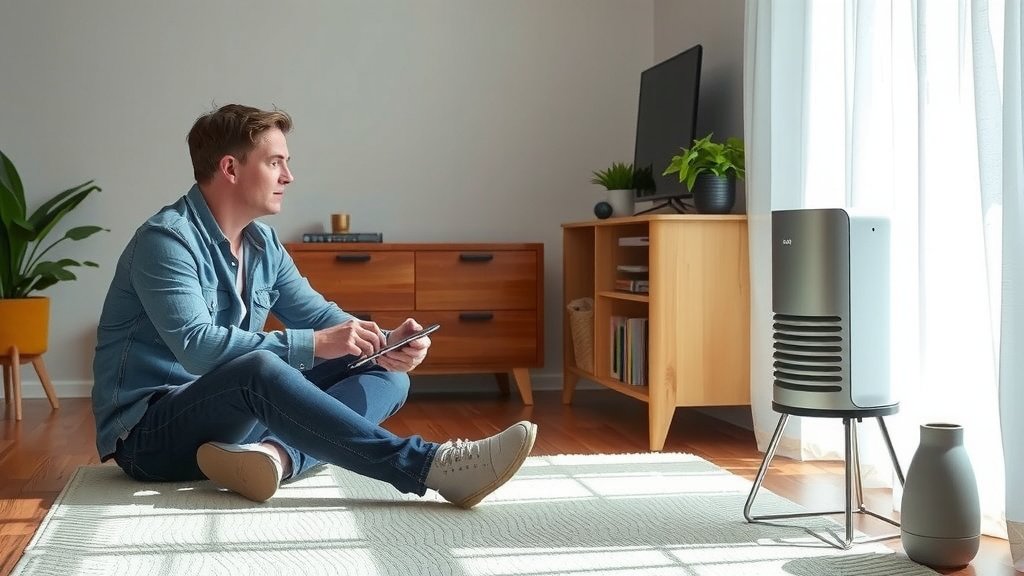
Once you’ve picked a room, consider the best spot for the unit. You want to avoid blocking the air intake or outflow. Most purifiers have vents on the sides or back. Make sure these aren’t pushed right up against a wall or furniture. Experts often recommend placing them at least a foot or two away from walls and large objects. This allows for proper air circulation. Imagine it needing a little breathing room to do its job. You wouldn’t want to be stuck in a corner, right?
Also, try to place it in an area where air naturally flows. Near a doorway or an open space is usually good. This helps draw air into the purifier and then distribute cleaner air back into the room. Some users find placing it on a table or shelf can be beneficial, as it can help the air circulate more freely than if it’s on the floor. However, always check your specific model’s manual.
Understanding Your Air Purifier’s Settings and Features
Your portable air purifier likely comes with a few buttons or controls. These allow you to customize its operation. Understanding these settings helps you get the most out of your device.
Fan Speed Options
Most units have multiple fan speeds. You’ll typically see settings like low, medium, and high. A low setting is great for quiet operation, like at night. It still cleans the air, just more gently. A medium setting offers a good balance. The high setting provides maximum air cleaning power when you need it most, like if you’ve had cooking smells or dusty conditions. We found that using the highest setting for a short period can quickly refresh a room.
Sleep or Night Mode
Many purifiers include a sleep mode. This setting typically runs the fan at its lowest speed. It also often dims or turns off the indicator lights. This creates a quieter and darker environment. It’s perfect for bedrooms or nurseries. You can breathe easier without being disturbed by noise or light.
Filter Indicator Lights
Don’t forget about those filter indicator lights! These are super helpful. They tell you when it’s time to check or replace your filters. Ignoring this can mean your purifier isn’t working as well as it could. Think of it as a friendly reminder from your device.
Maintaining Your Portable Air Purifier: The Key to Longevity
Just like any appliance, your air purifier needs a little TLC. Regular maintenance ensures it keeps running efficiently and effectively for a long time. The most important part of this is filter care. Beyond the filters, it’s good to wipe down the exterior of your air purifier regularly. Our guide on filter care explains when to replace your air purifier filter.
Understanding Filter Types and Lifespans
Portable air purifiers typically use a multi-stage filtration system. This often includes a pre-filter, a HEPA filter, and an activated carbon filter. The pre-filter usually captures larger particles like pet hair and dust bunnies. It can often be cleaned. The HEPA filter is the workhorse, trapping up to 99.97% of particles as small as 0.3 microns. The activated carbon filter absorbs odors and VOCs (volatile organic compounds). Research from the Environmental Protection Agency (EPA) shows that HEPA filters are highly effective at removing airborne particles.
Each filter has a recommended lifespan. This is usually measured in months. It can range from 3 months to over a year, depending on the filter type and how often you use the purifier. Factors like air quality and runtime affect this. Using the purifier on a high setting more often will shorten filter life.
How to Clean and Replace Filters
Your air purifier’s manual will have specific instructions. Generally, you’ll need to unplug the unit first. Then, open the access panel, usually on the back or side. Carefully remove the old filters. Dispose of them properly. For washable pre-filters, you can usually rinse them under cool water and let them air dry completely. Never put a wet filter back in the unit.
Install the new filters, making sure they are oriented correctly. Close the access panel securely. You may need to press a button to reset the filter indicator light. We found that setting a calendar reminder can be a great way to remember filter changes.
General Cleaning of the Unit
Beyond the filters, it’s good to wipe down the exterior of your air purifier regularly. Use a soft, damp cloth. Make sure the unit is unplugged. This keeps it looking nice and prevents dust buildup on the outside casing. Ensure the air vents remain clear of obstructions.
Quick Checklist for Optimal Use
Here’s a handy checklist to ensure you’re getting the best performance from your portable air purifier:
- Unpack and Set Up: Follow initial setup instructions carefully.
- Find the Best Spot: Place it away from walls for good airflow.
- Choose Your Setting: Select fan speed based on your needs and noise preference.
- Note Filter Life: Track when filters need changing or cleaning.
- Regular Cleaning: Wipe down the exterior and clean washable parts.
- Monitor Performance: Listen for unusual noises and check air intake.
Troubleshooting Common Issues
Sometimes, things don’t go perfectly. Here are a few common hiccups and how to address them.
My Air Purifier is Noisy
A bit of fan noise is normal, especially on higher settings. If it sounds unusually loud or rattly, first ensure the unit is on a stable, level surface. Check that no cords are vibrating against the casing. Also, make sure the filters are installed correctly. A loose filter can sometimes cause extra noise. If the noise persists, consult your user manual or contact the manufacturer. Many experts suggest that a sudden increase in noise could indicate a motor issue.
The Air Doesn’t Seem Cleaner
Several factors could be at play. Is the unit the right size for the room? Portable purifiers are designed for specific room square footage. A unit too small for a large room won’t be effective. We found that ensuring the room is closed off as much as possible helps. Keep windows and doors shut while the purifier is running. Also, double-check your filters. Are they due for a change? Clogged filters severely reduce airflow and cleaning power. If everything checks out, consider if there are ongoing strong sources of pollutants you might need to address separately.
Conclusion
You’ve now learned how to make the most of your portable air purifier. Remember, proper setup and placement are key to cleaner air. Understanding its settings and keeping up with filter maintenance ensures it runs effectively. We’ve seen that a little attention goes a long way. By following these simple steps, you can confidently enjoy fresher air in your home. So, take the next step: identify a room where you spend the most time and position your purifier for optimal performance today.
Frequently Asked Questions
How often should I run my portable air purifier?
For best results, run your portable air purifier continuously in the room you’re occupying. Many units have energy-saving modes for overnight use. We found that consistent operation is more effective than intermittent bursts.
Can I leave my air purifier on all the time?
Yes, most portable air purifiers are designed for continuous operation. Leaving it on helps maintain consistent air quality. Just be sure to check that your unit has an auto-shutoff feature for safety, though this is standard on most models.
What’s the difference between a HEPA filter and an activated carbon filter?
A HEPA filter captures tiny solid particles like dust and pollen. An activated carbon filter absorbs odors, gases, and VOCs. Many purifiers use both to provide a broader range of air cleaning.
Do air purifiers actually help with allergies?
Absolutely. By trapping allergens like pollen, pet dander, and dust mites, air purifiers can significantly reduce allergy symptoms for many people. We’ve seen users report noticeable relief.
How do I know if my air purifier is working effectively?
You’ll often notice a reduction in odors and a general feeling of fresher air. Also, ensure your unit is running and that the air intake and output vents aren’t blocked. Regularly checking and replacing filters is also a key indicator of effectiveness.
![5 Best Dyson Air Purifier for Large Room [In 2026]](https://homeunderstandable.com/wp-content/uploads/2025/05/best-dyson-air-purifier-for-large-room-top-models-reviewed-768x384.jpg)