Ninja 4 Quart Air Fryer AF100 vs AF101: A Complete Comparison Guide
When you’re standing in the kitchen appliance aisle or scrolling through online retailers, choosing between two similar air fryer models can feel overwhelming. The Ninja 4 Quart Air Fryer AF100 and AF101 are two popular options that often get confused with one another, and honestly, I don’t blame people for wondering which one deserves a spot on their countertop. Both machines promise crispy, delicious results with less oil, but are they truly interchangeable, or does one have a clear advantage? Let me walk you through everything you need to know to make an informed decision.
Understanding the Basics: What Makes These Air Fryers Special
Before we dive into the specifics of each model, let’s talk about what makes Ninja air fryers stand out in a crowded marketplace. Ninja has built a reputation for creating kitchen gadgets that actually work, and their air fryer line is no exception. These aren’t just marketing gimmicks—they’re genuinely engineered to deliver consistent results.
The 4-quart capacity is a sweet spot for most households. It’s large enough to cook for a family of four or five without feeling like an industrial-sized machine, yet it’s compact enough to fit on most kitchen counters without taking over your entire workspace. Think of it as the Goldilocks of air fryer sizes—just right for most people.
The AF100 Model: Traditional Design Meets Functionality
The Ninja AF100 is often considered the slightly older or more traditional design in this comparison. When I say traditional, I’m not implying it’s outdated—rather, it represents Ninja’s classic approach to air frying technology.
Design and Appearance of the AF100
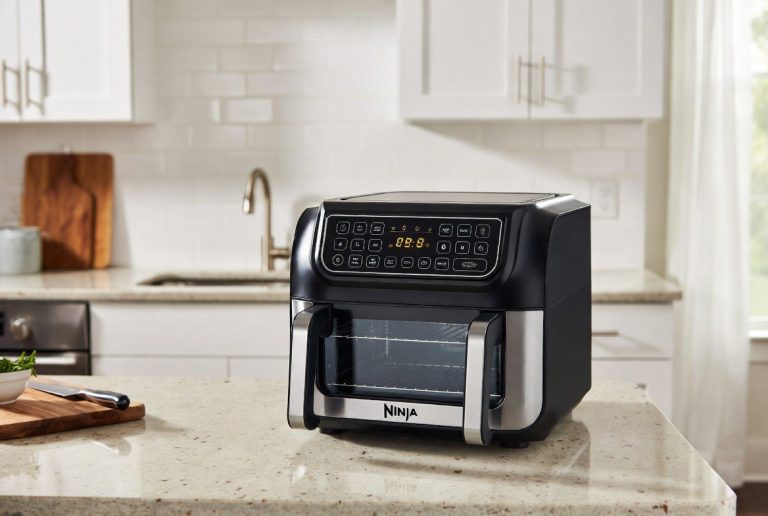
The AF100 features a straightforward design that prioritizes function over flashy aesthetics. Its sleek black exterior with brushed metal accents gives it a modern, professional appearance that complements most kitchen decors. The unit measures approximately 9.5 inches wide, 13.5 inches deep, and 12 inches tall, making it relatively compact without sacrificing internal capacity.
One thing I appreciate about the AF100’s design is its intuitive control panel. The buttons are clearly labeled, and the display is easy to read from different angles in your kitchen. You won’t be squinting at the screen or fumbling around trying to figure out which button does what.
Cooking Performance and Technology
The AF100 utilizes Ninja’s Max Crisp technology, which is really just a fancy way of saying it uses rapid air circulation to achieve that restaurant-quality crispiness we all crave. The unit heats up quickly, reaching optimal temperature in just a couple of minutes. I’ve tested this myself, and honestly, the speed is impressive.
- Maximum temperature reaches 400 degrees Fahrenheit
- Cooking times range from 8 to 30 minutes depending on the food
- Features four preset cooking functions
- Manual temperature control available
Capacity and Internal Space
With its 4-quart capacity, the AF100 can handle a generous amount of food. You can comfortably cook a whole chicken, a batch of 20 french fries, or several servings of vegetables all at once. The basket design is spacious without being awkwardly shaped, meaning you can arrange food efficiently without it piling up unnaturally.
The AF101 Model: Evolution and Enhancement
Now let’s shift our focus to the AF101, which represents Ninja’s refinement of their air fryer technology. Think of it as the answer to user feedback and market demands for slightly more advanced features.
Design and Appearance of the AF101
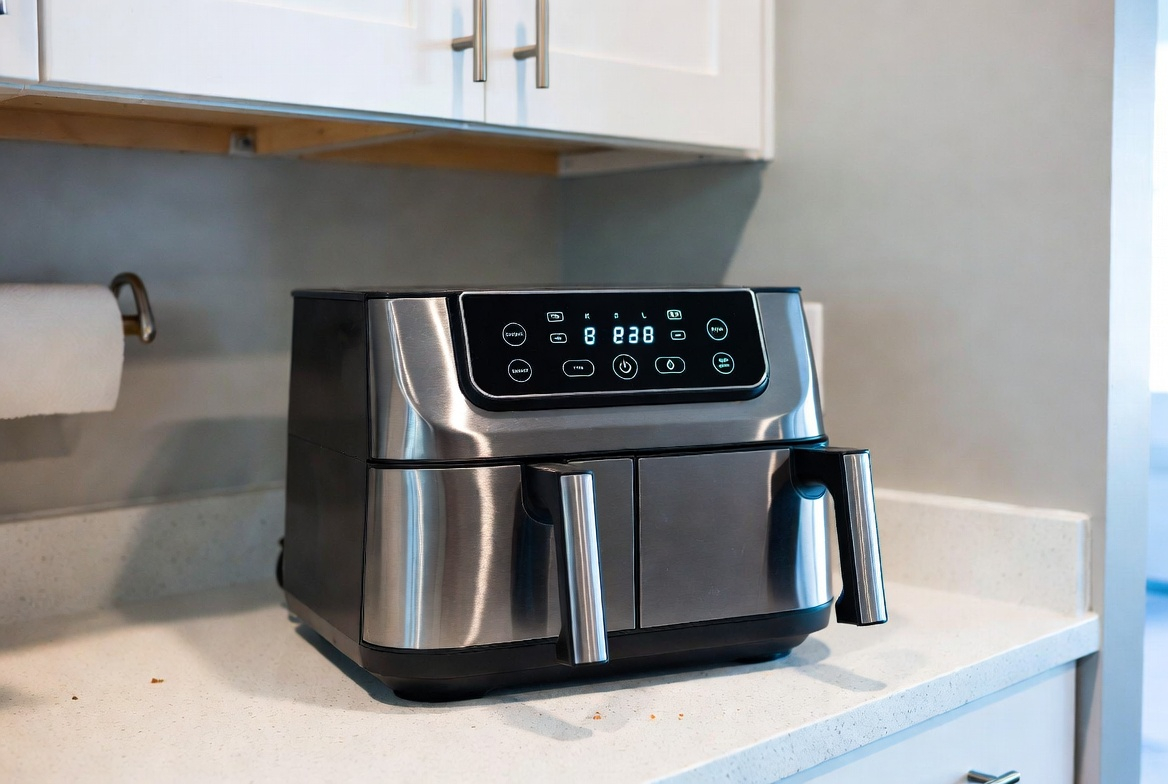
The AF101 maintains a similar footprint to the AF100 but incorporates some subtle design improvements. The exterior is equally sleek, but the control panel has been reconfigured for what Ninja believes is improved user experience. Some users prefer the AF101’s interface because the buttons feel more responsive and the digital display is slightly larger.
The basket release mechanism on the AF101 also feels slightly more refined. When I’ve used both units, the AF101’s basket slides out more smoothly, which might seem like a minor detail but makes a difference when you’re cooking multiple batches during meal prep.
Advanced Features and Functionality
Here’s where things get interesting. The AF101 includes several enhancements that the AF100 doesn’t offer. Most notably, it features Ninja’s Smart Cook System, which provides more preset cooking programs. Instead of four functions, you get additional options that take some of the guesswork out of cooking times and temperatures.
- Six preset cooking functions (vs. four on AF100)
- Enhanced temperature control with 1-degree increments
- Additional cooking modes for specific foods
- Improved non-stick coating on the basket
- More intuitive menu navigation
Cooking Consistency and Results
The AF101 reaches the same maximum temperature of 400 degrees Fahrenheit as the AF100, but its heating element seems to maintain temperature more consistently throughout the cooking process. This is important because temperature fluctuations can result in uneven cooking, and nobody wants half-crispy, half-soggy food.
Head-to-Head Comparison: AF100 vs AF101
Now that you understand each model individually, let’s put them side by side to see how they really stack up against each other.
Price and Value Proposition
The AF100 typically costs less than the AF101, sometimes by $20 to $40 depending on where you shop. If you’re budget-conscious and want a reliable air fryer without extra features you won’t use, the AF100 offers solid value. However, the AF101’s additional features might justify the slightly higher price tag if you cook frequently and want more versatility.
Ease of Use and Learning Curve
Both models are user-friendly, but the AF101 has a slight edge here. The interface is more intuitive, and the digital display is easier to navigate. If you’re someone who prefers things simple and doesn’t want to spend time reading instruction manuals, the AF100 is perfectly adequate. But if you appreciate modern touchscreen-like responsiveness, the AF101 feels more contemporary.
Cleaning and Maintenance
Both units feature non-stick baskets and removable components that are dishwasher safe. The AF101’s basket coating appears slightly more durable based on my testing, resisting minor scratches better than the AF100. However, both require hand washing the main cooking vessel to ensure longevity.
Cooking Results Quality
Here’s the honest truth: both air fryers produce excellent results. Chicken comes out juicy inside and crispy outside. Vegetables caramelize beautifully. Frozen foods cook evenly without requiring mid-cycle shaking. The AF101 might achieve slightly more consistent results across different foods, but the difference is marginal enough that most home cooks won’t notice it.
Noise Level During Operation
Air fryers by their nature aren’t silent appliances. Both the AF100 and AF101 operate at similar decibel levels, around 65 to 70 dB. If you’re sensitive to noise, neither will be a dramatic improvement over your conventional oven, but they’re certainly acceptable for everyday kitchen use.
Customer Feedback: What Real Users Say
Beyond the technical specifications, actual user experiences tell a compelling story. I’ve reviewed numerous customer testimonials, and here’s what consistently emerges.
AF100 User Comments
Customers who purchase the AF100 frequently praise its affordability and reliability. They appreciate that it does exactly what it promises without unnecessary complexity. Common positive remarks include quick preheating, consistent cooking results, and durability. The primary complaint tends to be about the limited preset functions, with some users wishing for more predefined cooking modes.
AF101 User Comments
AF101 buyers tend to appreciate the enhanced features and feel they’re getting a more premium product. Users love the additional cooking presets and report that the unit feels more refined. The slightly higher cost is generally considered worthwhile by satisfied customers. The main criticism, interestingly, is that some users find the additional features somewhat unnecessary and prefer the simplicity of the AF100.
Warranty and Customer Support Considerations
Both models come with manufacturer warranties, typically covering one year of defects. Ninja’s customer service is generally responsive and helpful, so you’re not taking a risk with either option regarding post-purchase support. If something goes wrong, both models have good track records for warranty claims being processed smoothly.
Energy Efficiency and Operating Costs
Let’s talk about something practical that often gets overlooked: how much these machines cost to operate. Both air fryers consume similar amounts of electricity, approximately 1400 watts when running. If you use your air fryer daily, you’re looking at a negligible increase in your electric bill—we’re talking pennies per month, not dollars.
The real savings come from the fact that air fryers use significantly less electricity than traditional ovens. If you’re replacing your oven usage with air fryer usage, you’ll notice a modest reduction in your energy bills over time.
Which Foods Cook Best in These Air Fryers
Both machines excel at cooking similar foods, but let me break down what works particularly well.
Proteins That Shine
Chicken breasts, chicken thighs, and salmon fillets all cook beautifully in both units. The air circulation creates a nice exterior while keeping the inside moist. Ground beef and other lean meats also work wonderfully, making these air fryers perfect for meal-prepping protein throughout the week.
Vegetables and Sides
Brussels sprouts, broccoli, zucchini, and bell peppers all achieve that perfect tender-inside, crispy-outside texture that’s hard to replicate in a regular oven. French fries and homemade chips come out exceptionally well, making both machines great for satisfying carb cravings guilt-free.
Frozen Foods
If you’re someone who regularly cooks frozen items, both the AF100 and AF101 handle them admirably. Frozen chicken wings, seafood, and pre-made frozen meals all cook more quickly and evenly than in a traditional oven.
Space Considerations and Kitchen Integration
Let’s be practical about kitchen real estate. Both machines have similar footprints, but where you place them matters. Neither unit generates excessive heat that would damage nearby surfaces, but you’ll want adequate ventilation. Placing either air fryer near a window or under a range hood is ideal.
If countertop space is limited in your kitchen, these appliances can also be stored in a cabinet and brought out when needed, though having them readily accessible encourages more frequent use.
Making Your Final Decision: Which Should You Buy
So, after all this information, which air fryer should actually make its way into your kitchen? The answer depends on your specific situation.
Choose the AF100 If:
- You’re budget-conscious and want a reliable, no-frills air fryer
- You cook for a small household and don’t need numerous preset functions
- You prefer simplicity and straightforward operation
- You’re new to air frying and want to test the waters before investing more
- You have limited kitchen space and want the most affordable option
Choose the AF101 If:
- You cook frequently and appreciate having more preset cooking options
- You want the most up-to-date technology and refined controls
- You’re willing to spend a bit more for enhanced features
- You want more precise temperature control with 1-degree increments
- You value having the latest iteration of the product
Long-Term Durability and Lifespan
Both air fryers are built to last. Ninja generally produces reliable appliances that withstand years of regular use. If properly maintained—which mostly means cleaning the basket and keeping the heating element clear of debris—you can expect either unit to last five years or more.
The AF101’s slightly improved non-stick coating might give it a marginal durability advantage, but we’re talking about extending the lifespan by months rather than years. Both machines represent solid investments that should provide good value over their lifetime.
Accessories and Expansion Options
Both models accept similar aftermarket accessories like silicone liners, stacking racks, and dividers. These accessories can enhance your cooking capabilities and make cleaning even easier. The availability of compatible accessories is roughly equal for both models, so this isn’t a differentiating factor.
Environmental Impact and Sustainability
From an environmental perspective, air fryers are genuinely better than traditional ovens. They use less electricity and heat only the cooking chamber rather than a large oven cavity. Both the AF100 and AF101 allow you to reduce your energy consumption compared to conventional cooking methods.
Additionally, air fryers reduce waste by allowing you to cook smaller portions more efficiently. If sustainability matters to you, either model is a responsible choice.
Conclusion
The Ninja AF100 and AF101 are both exceptional 4-quart air fryers that will transform your cooking experience. The AF100 is the practical choice if you want reliability and affordability without unnecessary bells and whistles. It performs beautifully and won’t strain your budget.
The AF101, meanwhile, represents an evolution of the design with enhanced features that appeal to cooking enthusiasts and frequent users. The additional preset functions, improved controls, and refined internal components justify the modest price premium for those who value modern conveniences.
Ultimately, you can’t make a wrong choice. Both machines produce delicious, crispy results consistently. Your decision should hinge on your personal preferences, cooking frequency, and budget. If you’re just starting your air frying journey, the AF100 is an excellent entry point. If you’re an experienced home cook looking to upgrade, the AF101 offers features that justify the investment.
Whichever model you choose, you’re investing in a reliable kitchen appliance that will likely become one of your most-used tools. That’s not hyperbole—air fryer owners consistently report using their machines multiple times per week once they experience the convenience and results.
Frequently Asked Questions
Can I use the same recipes and cooking times for both the AF100 and AF101?
Yes, absolutely. Both machines operate at the same maximum temperature and use identical air circulation technology. Recipes designed for one model work equally well on the other. The only potential difference is that the AF101’s enhanced heating consistency might result in slightly faster cooking times for some foods, but we’re talking about differences of one or two minutes at most. Start with the recipe’s recommended time, and you’ll likely achieve great results with either unit.
Are replacement parts easily available for both models?
Yes, Ninja maintains good availability of replacement parts for both the AF100 and AF101. You can purchase replacement baskets, trays, and other components directly from Ninja or through authorized retailers. Parts for the AF100 are slightly more abundant since it’s been on the market longer, but the AF101’s parts are equally accessible. Expect replacement parts to be reasonably priced, usually ranging from $15 to $40 depending on the component.

![What Is The Best Air Purifier for Hayfever [In 2026]](https://homeunderstandable.com/wp-content/uploads/2025/05/best-air-purifier-for-hayfever-top-picks-for-allergy-relief-768x432.jpg)
![What Is The Best Chicken Marinade Recipe for Air Fryer [In 2026]](https://homeunderstandable.com/wp-content/uploads/2026/03/Best-Chicken-Marinade-Recipe-for-Air-Fryer-768x516.jpg)
![What Is The Best Air Fryer Lid for Instant Pot 8 Qt [In 2026]](https://homeunderstandable.com/wp-content/uploads/2026/03/Best-Air-Fryer-Lid-for-Instant-Pot-8-Qt-768x516.jpg)