Essential Washing Machine Features for Your Home
Choosing a new washing machine involves looking for features that fit your laundry habits and home. The best washing machines offer a good balance of cleaning power, energy efficiency, and convenience. Consider capacity, cycle options, and smart capabilities to find a model that makes laundry day less of a chore. Think about how often you wash and what types of fabrics you handle most.
Beyond basic washing, modern machines come with advanced features. These can include steam cleaning for sanitizing, special cycles for delicate items or bulky bedding, and quicker wash times for when you’re in a hurry. Many models are now designed for better water and energy savings, which can reduce your utility bills over time. Look for models that offer a good variety of wash cycles tailored to different needs.
TL;DR:
- Look for the right capacity for your household size.
- Consider energy efficiency ratings to save on bills.
- Check for specialized wash cycles (steam, delicates, quick wash).
- Explore smart features for remote control and monitoring.
- Prioritize user-friendly controls and ease of maintenance.
Ready to find the perfect washing machine for your home? Let’s dive into the key features you should be looking for to make an informed decision.
Key Washing Machine Features to Consider for Your Home
Choosing the right washing machine can feel overwhelming. You want something that cleans your clothes well. You also want it to be easy to use. Plus, it should fit your budget and lifestyle. We’ve looked into what makes a washing machine a great addition to your home.
Capacity: How Much Laundry Do You Tackle?
The first big decision is capacity. This is how much laundry the machine can hold. It’s usually measured in cubic feet. A larger capacity means you can wash more clothes at once. This can save you time and energy.
Household Size Matters
For a single person or a couple, a smaller to medium-sized machine might be fine. Think 2.5 to 3.5 cubic feet. For a family with children, you’ll likely need a larger machine. Something in the 4.0 to 5.0 cubic feet range is often recommended (Good Housekeeping).
Bulky Items Need Space
Do you often wash large items like comforters, blankets, or sleeping bags? If so, you’ll need a high-capacity washer. These machines have extra room. This allows bulky items to move freely and get thoroughly cleaned. Without enough space, these items might not get properly washed.
Washing Machine Types: Top Load vs. Front Load
Washing machines come in two main styles. Each has its own set of advantages and disadvantages. Understanding these differences can help you pick the best one for your needs.
Top-Load Washers
Top-load washers are often more affordable upfront. They typically have a shorter wash cycle. You can also add clothes mid-cycle easily. There are two types of top-loaders: those with a central agitator and those with an impeller.
Agitator Models
These have a tall, finned pole in the center. It twists and turns clothes. This is a classic design. It’s known for powerful cleaning. However, it can be harder on fabrics. It also uses more water.
Impeller Models (HE Top Loaders)
These have a low-profile cone or disc at the bottom. It spins and moves clothes. Impeller models use less water than agitator models. They are gentler on clothes, too. They often have larger capacities.
Front-Load Washers
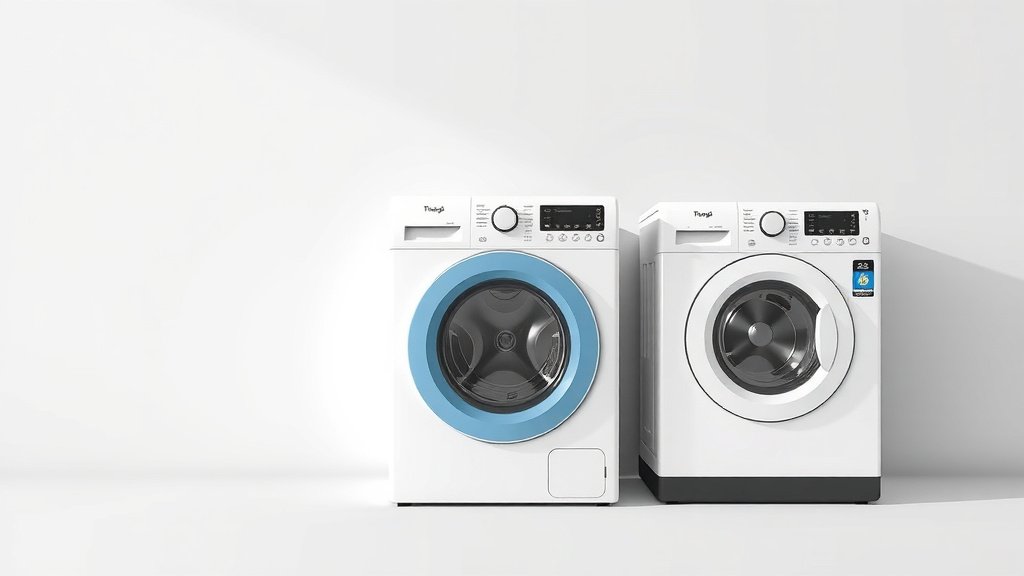
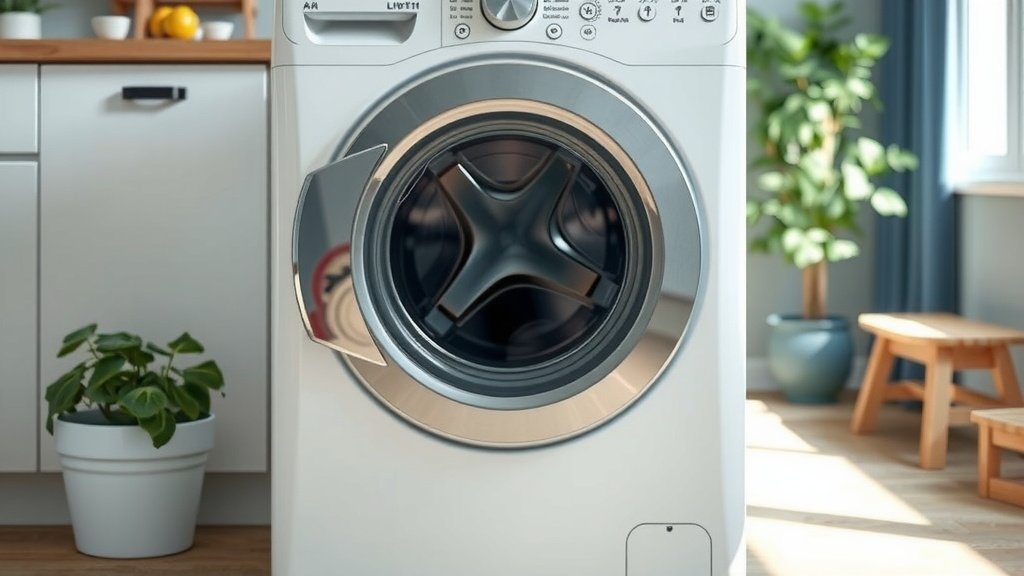
Front-load washers use a tumbling action. Clothes fall from the drum’s top to the bottom. This is a You can learn more about why front-load washers are a smart choice.gentle yet effective cleaning method. They tend to use less water and energy. They also spin clothes drier. This means less time in the dryer.
Front-loaders typically have higher initial costs. Some people dislike bending down to load and unload. You can solve this with a pedestal, though. Many experts suggest front-loaders for their cleaning performance and efficiency (Consumer Reports).
Essential Wash Cycles and Features
Modern washing machines offer a variety of cycles. These go beyond just “normal” or “heavy duty.” Having the right cycles can make a big difference in how well your clothes are cleaned and maintained.
Everyday Cycles
Most machines have standard cycles. These include Normal, Delicates, and Heavy Duty. You’ll also find cycles for Whites and Colors. These cover most of your laundry needs.
Specialty Cycles for Specific Needs
Think about what you wash most often. Do you have active kids who get really dirty? A Whites or Sanitize cycle can help remove tough stains and germs. Do you own delicate items like silk or lace? Look for a Delicates or Hand Wash cycle. These use less agitation and lower spin speeds. This protects fragile fabrics.
For items that need a refresh but aren’t truly dirty, a Quick Wash cycle is fantastic. These can clean a small load in as little as 15-30 minutes. It’s a real time-saver when you’re in a hurry.
Steam Functionality
Many higher-end washers now offer a steam feature. Steam can help remove allergens. It can also reduce wrinkles. Some models use steam for sanitizing loads. This is great for baby clothes or bedding. It can kill bacteria without harsh chemicals.
Energy and Water Efficiency: Saving Money and the Planet
Washing machines use a significant amount of water and electricity. Choosing an energy-efficient model can save you money on utility bills. It also helps conserve resources.
The ENERGY STAR® Label
Look for the ENERGY STAR® certified label. Appliances with this label meet strict energy efficiency guidelines. These guidelines are set by the U.S. Environmental Protection Agency (EPA). ENERGY STAR® certified washers use significantly less water and energy than standard models.
Water Usage
Front-load washers are generally more water-efficient. High-efficiency (HE) top-load washers also use much less water than older models. Some machines even have water level sensors. These adjust the water to the load size. This prevents waste.
Smart Features: Convenience at Your Fingertips
Smart washing machines connect to your home Wi-Fi. This opens up a world of convenience. You can control your washer from your smartphone or tablet.
Remote Control and Monitoring
With a smart washer, you can start, stop, or pause a cycle remotely. You can also receive notifications. These alerts let you know when a cycle is finished. This means you don’t have to keep checking on it.
Diagnostic Tools
Some smart machines can even diagnose problems. If something isn’t working right, the app might tell you what’s wrong. This can save you a service call. It helps you troubleshoot common issues.
Ease of Use and Maintenance
Even the most advanced machine is no good if it’s hard to use. Think about the control panel. Is it intuitive? Are the settings clearly labeled?
User-Friendly Controls
Many washers now have digital touchscreens. Others use a combination of knobs and buttons. Find a system that feels natural to you. Reading reviews can give you an idea of how easy a particular model is to operate.
Keeping Your Washer Clean
Regular maintenance is key to a long-lasting washer. Many newer machines have a self-cleaning cycle. For front-loaders, it’s important to wipe down the door seal. This prevents mold and mildew. Leaving the door ajar after use also helps it dry out.
Quick Checklist for Your Washing Machine Hunt
Here’s a handy list to keep in mind:
- Capacity: Does it fit your household’s laundry needs?
- Type: Top-load (agitator or impeller) or front-load?
- Energy Star®: Is it certified for efficiency?
- Cycles: Does it have the specific cycles you need (steam, sanitize, quick wash)?
- Smart Features: Do you want remote control and notifications?
- User Interface: Are the controls easy to understand and use?
Conclusion
Finding the right washing machine means matching its features to your life. You’ve learned about the importance of capacity for your household size and the benefits of different washer types, like front-loaders for efficiency. Remember to consider specialized cycles for your unique laundry needs, such as steam for sanitizing or quick washes for busy days. Prioritizing ENERGY STAR® certification will save you money and help the environment. Don’t forget smart features for convenience and user-friendly controls for ease of use. Take this checklist with you when you shop, and you’ll be well on your way to a cleaner laundry room and cleaner clothes.
Frequently Asked Questions
What’s the biggest mistake people make when buying a washing machine?
A common mistake is not considering your household’s actual laundry volume. Buying a machine that’s too small means constant small loads, while one that’s too large might waste water and energy. Think about how many loads you do weekly and the types of items you wash most often before deciding on capacity.
Are front-load or top-load washers better for clothes?
Front-load washers are generally gentler on clothes because they use a tumbling action. This motion causes less friction and stretching compared to the agitator in some top-load models. Impeller-style top-loaders are also gentler than traditional agitator models.
How important is the ENERGY STAR® label?
The ENERGY STAR® label is quite important if you want to save money on your utility bills and conserve resources. These machines are tested and certified to use significantly less water and electricity than non-certified models, leading to lower operating costs over the appliance’s lifespan.
Do I really need steam or sanitize cycles on a washing machine?
These cycles can be very useful, especially for families with young children or individuals with allergies. The sanitize cycle uses high heat to kill bacteria and allergens, while the steam function can help remove tough stains and reduce wrinkles. They offer an added level of cleanliness beyond standard cycles.
Are smart washing machines worth the extra cost?
Smart features offer convenience like remote control and cycle monitoring, which can be very helpful if you often multitask or are away from home. If you appreciate technology that simplifies your life and offers notifications, they can be worth the investment. However, if you prefer a simpler operation, non-smart models perform just as well for basic washing.
![7 Best Washing Machine For Apartment [In 2026]](https://homeunderstandable.com/wp-content/uploads/2026/08/7-best-washing-machine-for-apartment-in-2026-featured-768x432.jpg)
![7 What Is The Best Apartment Size Washer And Dryer [In 2026]](https://homeunderstandable.com/wp-content/uploads/2026/08/7-what-is-the-best-apartment-size-washer-and-dryer-in-2026-featured-768x432.jpg)