
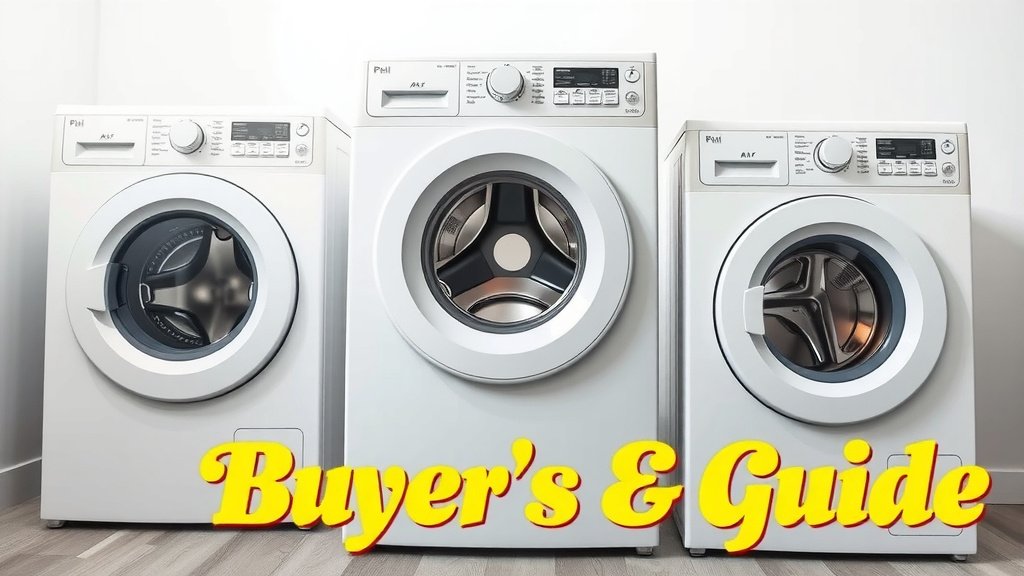
How to Choose the Right Washer: A Buyer’s Guide
When buying a new washing machine, focus on capacity, energy efficiency, and your laundry habits. These three factors will help you find a model that cleans your clothes well and fits your lifestyle. Consider the size of your household and how often you do laundry. This will help you decide on the right drum size.
Beyond the basics, look into wash cycles and special features. Many modern washers offer options for delicates, bulky items, or quick washes. We found that understanding these can save you time and protect your clothes. Think about what types of loads you typically handle.
- Check the washer’s capacity for your needs.
- Look for high energy efficiency ratings to save money.
- Consider the wash cycles that match your laundry.
- Think about any special features that would be helpful.
Let’s walk through what to look for to make sure you get the best washer for your home.
Choosing the Right Washer for Your Home
Selecting a new washing machine can feel like a big decision. You want something that cleans well. You also want it to fit your life and your budget. We’ve found that focusing on a few key areas makes this process much simpler. Let’s look at what truly matters.
Understanding Washer Types and How They Work
There are two main types of washing machines: top-load and front-load. Each has its own advantages and disadvantages. Your choice here can impact everything from water usage to how gentle it is on your clothes.
Top-Load Washers
Top-load washers are often the familiar choice for many households. They open from the top, so you don’t need to bend down to load or unload. This is great for your back!
Traditional Agitator Models
These have a central post, the agitator, that twists and turns clothes. They are known for getting things really clean. However, they can sometimes be harder on fabrics and use more water. Many people find them straightforward to use.
High-Efficiency (HE) Impeller Models
Instead of a central agitator, these use a low-profile cone or disc at the bottom. It spins to move clothes through the water. HE impeller models use less water and are gentler on clothes than agitator models. We found they often have larger capacities, too.
Front-Load Washers
Front-load washers are known for their superior cleaning performance and efficiency. They use a tumbling action to move clothes. This is very effective and gentle.
One common benefit is their energy and water savings. They use much less water per load. They also spin clothes faster, which removes more water. This means your dryer works less, saving you money and time. Many experts agree they are more efficient (Energy Star).
A potential drawback is that you do have to bend down to load and unload. However, many models come with pedestals that can raise the height. We also found that front-loaders often have quieter operation, which is a nice bonus.
Capacity: How Much Laundry Can It Handle?
Washer capacity is measured in cubic feet. It tells you how much laundry the drum can hold. Think about your household size and how often you do laundry. This will help you pick the right size.
What’s the Right Capacity for You?
A small household (1-2 people) might be fine with a capacity around 2.0 to 3.5 cubic feet. If you do laundry only once a week, this could work. A medium household (3-4 people) may need 3.5 to 4.5 cubic feet. This handles a good amount of clothes. For a large household (5+ people) or if you wash bulky items often, aim for 4.5 cubic feet or more. This can fit big loads easily.
We found that it’s better to have a slightly larger capacity than you think you need. This prevents you from having to do too many small loads. Overfilling a washer can lead to poor cleaning and strain the machine.
Energy and Water Efficiency: Saving Money and the Planet
When looking at washers, pay close attention to their energy efficiency ratings. This is often shown by the ENERGY STAR label. Washers with this label use less energy and water than standard models. This means lower utility bills for you. Many guidelines suggest looking for this certification (ENERGY STAR).
Understanding EnergyGuide Labels
The yellow EnergyGuide label on appliances shows you an estimated yearly energy cost. It also shows the estimated yearly water usage. Comparing these labels side-by-side can be very helpful. A difference of even $10-$20 per year in energy costs can add up over the lifespan of the machine.
Water Usage Differences
Front-load washers generally use significantly less water than traditional top-loaders. This is a major factor in their overall efficiency. Some HE top-loaders also offer good water savings compared to older models.
Wash Cycles and Features: Tailoring Your Wash
Modern washers come with a variety of wash cycles and features. Think about the types of fabrics you wash most often. Do you have a lot of delicates or athletic wear? Special cycles can protect your clothes and clean them better.
Common Wash Cycles to Consider
- Normal/Regular: For everyday cottons and mixed fabrics.
- Delicates: Gentle wash and spin for items like lingerie or silk.
- Heavy Duty: For heavily soiled items like work clothes or towels.
- Quick Wash: For lightly soiled items you need in a hurry.
- Bulky Items: For comforters, blankets, and sleeping bags.
- Sanitize: Uses hot water to kill germs.
Useful Special Features
Beyond cycles, some features can make laundry day easier. A steam option can help remove stains and reduce wrinkles. Built-in dispensers for detergent, softener, or bleach can automate their release. Some washers offer smart features, allowing you to control them from your phone. While neat, consider if these advanced features are truly necessary for your laundry routine.
Noise Levels and Vibrations
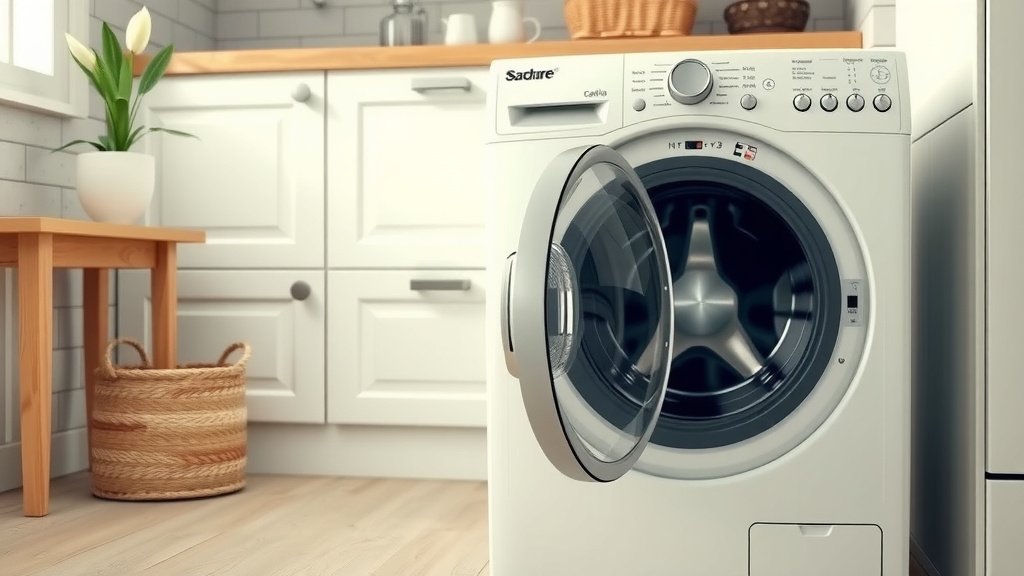
If your laundry area is near a living space, noise is a consideration. Front-load washers are typically quieter than agitator top-loaders. We found that some models are specifically designed for quiet operation. Look for reviews that mention noise levels. You might also want to consider vibration, especially if you have a second floor laundry room. Some machines have advanced suspension systems to minimize shaking.
Durability and Reliability
When buying a major appliance, you want it to last. Researching brand reliability is key. Consumer reports and customer reviews can offer insight. We found that some brands consistently receive higher marks for durability. Consider the warranty offered. A longer warranty can provide peace of mind, though it might increase the initial cost.
Your Laundry Room Space and Installation
Before you buy, measure your laundry space. You need to know the dimensions of the washer you can fit. Don’t forget to account for the space needed to open doors and connect hoses. If you’re stacking a dryer on top of a front-load washer, ensure you have the proper stacking kit.
Washer Installation Checklist
- Measure your doorway and laundry space width, depth, and height.
- Check if you have hot and cold water hookups.
- Ensure you have a proper drain standpipe or sink.
- Confirm you have a grounded electrical outlet nearby.
- Consider delivery and installation services if needed.
Taking these measurements and checking your hookups beforehand can prevent headaches later. We’ve heard stories of people buying a great washer only to find it won’t fit through the door!
Conclusion
You’re now ready to choose a new washing machine. Remember to focus on capacity for your household size and energy efficiency to save on bills. Consider the different washer types and the wash cycles that best suit your clothes and laundry needs. By assessing your laundry habits and your space, you can find a machine that performs well for years to come. Your next step? Measure your laundry space and start comparing models based on these key factors. You’ve got this!
Frequently Asked Questions
How do I know if a washer is truly energy-efficient?
Look for the ENERGY STAR label on the washing machine. This certification means the model meets strict energy and water efficiency guidelines. You can also check the yellow EnergyGuide label for estimated yearly energy costs and water usage. Comparing these labels will help you make a more informed, eco-friendly choice.
What’s the main difference between HE top-loaders and front-loaders?
HE top-loaders use an impeller at the bottom for a gentler wash and less water than traditional agitators. Front-loaders use a tumbling action that is very effective and typically uses the least amount of water and energy overall. We found that front-loaders often offer superior cleaning and efficiency but require bending to load.
Can a small washing machine still clean heavily soiled clothes effectively?
While capacity is important for load size, the effectiveness on heavily soiled clothes also depends on the chosen wash cycle. Look for a washer with a Heavy Duty cycle, regardless of its capacity. Higher-end models often have better motor power and water agitation, which can also contribute to better cleaning.
Is a steam cycle really worth the extra cost?
A steam cycle can be very beneficial for sanitizing, removing tough stains, and reducing wrinkles. If you frequently deal with allergies, have kids prone to messes, or dislike ironing, it can be a worthwhile feature. We found it adds convenience for specific needs.
How can I ensure my new washer won’t be too noisy?
When researching models, read customer reviews specifically mentioning noise levels. Front-load washers are generally quieter than agitator top-loaders. Some manufacturers also design models with advanced suspension systems or quiet operation modes. If possible, check out display models in a store to get a sense of their build quality.
![7 Best 110v Stackable Washer Dryer [In 2026]](https://homeunderstandable.com/wp-content/uploads/2026/09/7-best-110v-stackable-washer-dryer-in-2026-featured-768x432.jpg)