
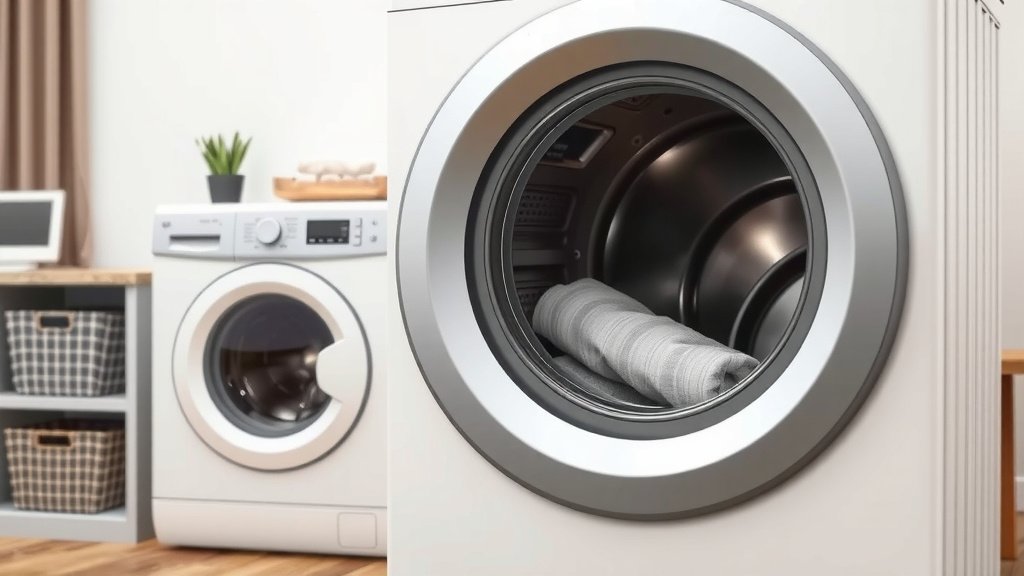
Buying a Washing Machine What to Know Before You Shop
Deciding to buy a new washing machine can feel overwhelming, but knowing a few key things upfront will make the process much smoother. You need to consider your Our guide to the best washing machine can help you choose.budget, the space available in your home, and the types of washes you’ll be doing most often. These factors will guide you to the best machine for your needs and prevent costly mistakes.
We’ve found that understanding the difference between top-load and front-load models is also essential. Front-loaders are often more energy-efficient and gentler on clothes, while top-loaders typically have a lower upfront cost and can be faster. Think about your laundry habits to determine which style will work best for your household.
- Match the washer size to your space.
- Decide between top-load and front-load.
- Set a realistic budget.
- Think about your typical laundry load.
Now, let’s get into the details to help you find the perfect washing machine without any buyer’s remorse.
“`htmlGetting Started: What to Consider Before Buying a Washing Machine
So, you’re in the market for a new washing machine. It’s not quite as thrilling as buying a new car, but it’s a pretty big deal for your household! Let’s break down what you absolutely need to think about before you even start looking at models. This will save you time, money, and a whole lot of laundry-day headaches. We’ve found that preparing ahead of time makes all the difference.
Understand Your Laundry Needs and Habits
Before you get lost in spin cycles and steam functions, take a moment to think about your actual laundry routine. Are you washing tiny loads for one or two people, or are you tackling mountains of clothes from a large family? Do you often find yourself with bulky items like comforters or sleeping bags?
Capacity Matters: How Much Laundry Do You Do?
Washing machine capacity is measured in cubic feet. This tells you how much laundry can fit inside. For smaller households (1-2 people), a capacity between 2 to 3.5 cubic feet is usually sufficient. If you have a family of three or more, or frequently wash large items, you’ll want to look at machines with 4 cubic feet or more.
Research shows that an average household generates about 10-15 loads of laundry per week (National Association of Home Builders). Choosing a larger capacity can mean fewer loads, saving you time and energy. But don’t go too big if you don’t need it; larger machines use more water and energy per cycle.
Fabric Types and Special Cycles
Do you have delicate items that need extra care? Or maybe you’re always dealing with heavily soiled work clothes? Modern washing machines come with a wide array of cycles tailored for specific needs. Look for machines that offer cycles like:
- Delicates
- Heavy Duty
- Sanitize (often recommended by health experts for killing germs)
- Quick Wash (for lightly soiled items you need fast)
- Bulky Items
Many experts suggest that having specialized cycles can help extend the life of your clothes and ensure they get properly cleaned (Good Housekeeping Institute). If you’re unsure, a machine with a good range of common cycles is a safe bet.
Top-Load vs. Front-Load: Which Style is Right for You?
This is one of the biggest decisions you’ll make. Both types have their pros and cons, and your choice will depend on your priorities, like budget, efficiency, and ease of use.
Top-Load Washers
These are the machines most of us grew up with. They load from the top, and you add clothes by dropping them in. There are two main types of top-loaders: those with a central agitator (the tall spindle in the middle) and those without (often called High-Efficiency or HE top-loaders).
Traditional Agitator Models
Agitator models are known for being tough on stains and can often handle larger loads. They tend to be less expensive upfront. However, they can be rougher on clothes and typically use more water than HE models.
High-Efficiency (HE) Top-Loaders
These machines use impellers (low-profile cones or discs) at the bottom instead of a central agitator. They are gentler on fabrics, use less water, and are generally more energy-efficient. Many find them easier to load because there’s no agitator in the way. We found that HE models can sometimes take longer to complete a cycle.
Front-Load Washers
Front-loaders have a door on the front, and you load clothes horizontally. They are known for their superior cleaning performance and efficiency.
Energy and Water Savings: Front-loaders use significantly less water and energy than most top-load models. This can lead to noticeable savings on your utility bills over time. The U.S. Department of Energy reports that ENERGY STAR certified washers use at least 25% less energy and 33% less water than standard models.
Gentle on Clothes: The tumbling action in front-loaders is much gentler on your garments. This is great if you have a lot of delicate clothing or want your clothes to last longer. Many experts recommend front-loaders for this reason (Consumer Reports).
Stackability: A big plus for smaller homes or apartments is that most front-loaders can be stacked with a matching dryer, saving valuable floor space.
Potential Downsides: Front-loaders often have a higher initial purchase price. They can also require more bending to load and unload. Some people also report longer cycle times compared to traditional top-loaders. It’s also important to leave the door ajar after use to prevent mold and mildew growth. This is a common recommendation from appliance manufacturers.
Budgeting for Your New Washer
Washing machines can range from a few hundred dollars to well over $1,500. It’s wise to set a realistic budget before you shop. Remember to factor in potential delivery and installation costs, as well as any required hoses or adapters. Some retailers offer these services for free, while others charge extra.
| Washer Type | Typical Price Range (USD) | Key Benefits | Considerations |
|---|---|---|---|
| Traditional Top-Load (Agitator) | $400 – $700 | Lower upfront cost, faster cycles, powerful cleaning | Uses more water/energy, rougher on clothes |
| HE Top-Load (Impeller) | $600 – $1,000 | Gentler on clothes, more energy/water efficient, larger capacity options | Can have longer cycle times, slightly higher cost than agitator |
| Front-Load | $800 – $1,500+ | Most energy/water efficient, gentlest on clothes, stackable, best cleaning performance | Higher upfront cost, requires bending, potential for mold/mildew if not maintained |
Measuring Your Space for a Perfect Fit
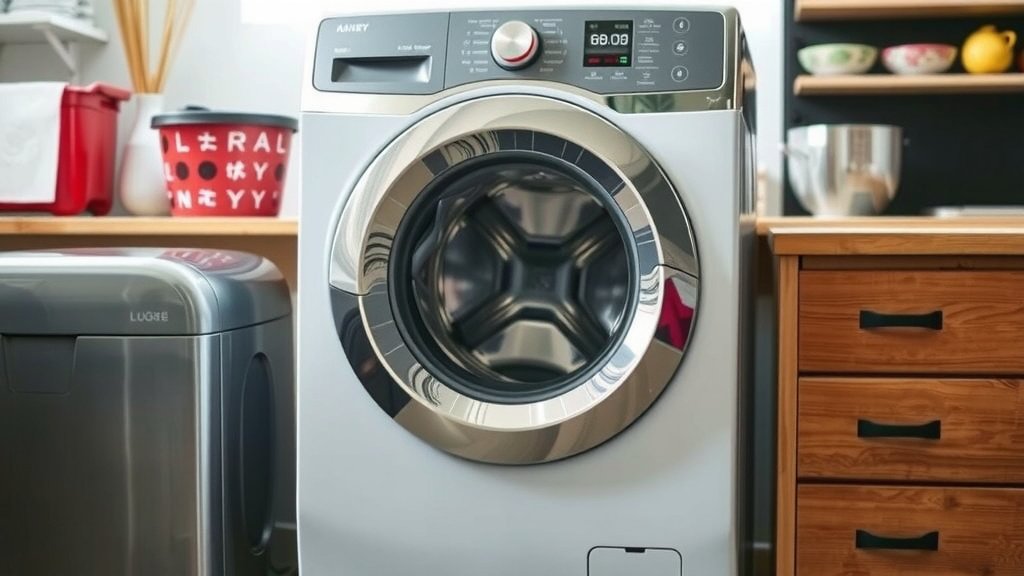
This might seem obvious, but many people skip this step and end up with a machine that doesn’t fit. You need to measure the **width, depth, and height** of the space where the washer will go. Also, measure any doorways, hallways, or staircases the appliance will need to pass through during delivery.
Don’t forget to account for clearance. You’ll need space behind the washer for water hoses and the power cord. Most manufacturers recommend at least 4-6 inches of clearance at the back and sides for proper ventilation and hookups (LG Electronics Support). Ensure there’s enough room for the door to open fully, especially if you choose a front-loader.
Don’t Forget the Hookups!
Most standard washers require a cold and hot water hookup, a drainpipe, and a standard electrical outlet. Some newer, high-efficiency models might only require a cold water hookup, as they heat their own water internally. Ensure your existing plumbing and electrical outlets are up to code and in good working order. If you’re unsure, it’s always best to consult a plumber or electrician.
Quick Checklist Before You Buy:
- Measure your laundry space and pathways.
- Decide on your preferred washer type (top-load vs. front-load).
- Set a clear budget, including delivery/installation.
- Consider the capacity needed for your household size.
- Identify essential wash cycles for your typical laundry.
- Check your home’s water hookups and electrical outlets.
Conclusion
You’re now well-equipped to make a smart washing machine purchase! By carefully considering your household’s laundry needs, the space you have available, and your budget, you can avoid common pitfalls. We’ve found that understanding the differences between top-load and front-load models is key to finding the best fit for your home. Take your time, measure twice, and you’ll soon be enjoying cleaner clothes with a machine that perfectly suits your lifestyle.
Frequently Asked Questions
Do I really need a bulky item cycle?
A bulky item cycle is helpful if you frequently wash large, dense items like comforters or sleeping bags. These cycles provide extra space and a gentler wash to prevent damage. If you don’t have these items often, you might be able to manage with a standard large-capacity setting.
How much clearance do I need behind the washer?
You typically need about 4-6 inches of clearance behind the washer. This space is vital for ventilation and to accommodate the water hoses and power cord. Always check your specific model’s manual for exact recommendations from the manufacturer.
Are HE top-loaders really better than agitator models?
HE top-loaders are generally more energy and water-efficient and gentler on clothes compared to agitator models. While agitator models can be faster and tougher on heavy soils, HE machines offer better long-term savings and clothing care for most users.
What’s the best way to prevent mold and mildew in my front-loader?
The most effective way is to leave the door slightly ajar between uses. This allows air to circulate and dry out the drum. Wiping down the door seal and drum after each use can also help prevent moisture buildup.
Can I connect a new washer to old hoses?
It’s highly recommended to replace old hoses when buying a new washing machine. Older hoses can become brittle and are more prone to bursting, which could cause water damage. New, reinforced hoses are inexpensive and provide peace of mind.
![7 Best Small Stackable Washer Dryer [In 2026]](https://homeunderstandable.com/wp-content/uploads/2026/09/7-best-small-stackable-washer-dryer-in-2026-featured-768x432.jpg)
![7 Best Washer And Dryer Stackable [In 2026]](https://homeunderstandable.com/wp-content/uploads/2026/09/7-best-washer-and-dryer-stackable-in-2026-featured-768x432.jpg)
![7 Best Washing Machine For Condo [In 2026]](https://homeunderstandable.com/wp-content/uploads/2026/08/7-best-washing-machine-for-condo-in-2026-featured-768x432.jpg)