
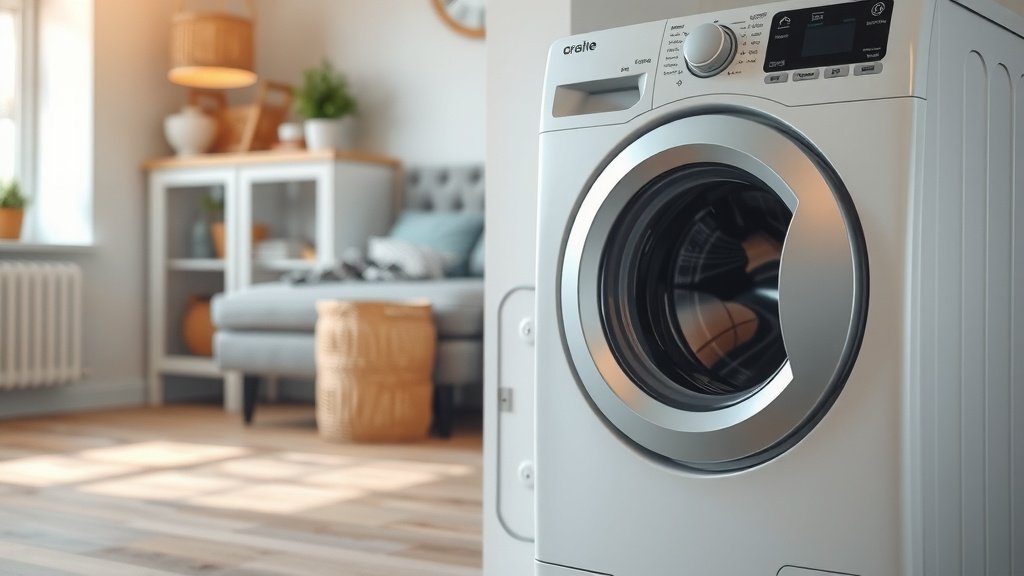
Buying a Washing Machine: Key Features to Consider
When buying a washing machine, you need to look out for When buying a washing machine, you’ll want to look for the right capacity for your household size and energy efficiency to save on utility bills.capacity, energy efficiency, and your preferred wash cycle types. Knowing these key features will help you choose the best machine for your household’s needs. Don’t forget to consider the type of machine, like a top-loader or front-loader.
The right washing machine can make laundry day a breeze. We found that machines vary greatly in what they offer. Factors like noise level and smart features are also worth considering. Your budget plays a big role too, so keep that in mind.
- Check the load capacity for your family size.
- Prioritize energy-efficient models to save on bills.
- Decide between top-load and front-load styles.
- Look at available wash cycles and special features.
- Consider your budget and available space.
Let’s walk through exactly what you should be looking for to make sure you get a washing machine you’ll love.
Choosing Your Next Washing Machine: A Smart Guide
Picking the right washing machine doesn’t have to feel like a chore. We’ve researched what really matters when you’re standing in front of a wall of gleaming appliances. It’s about matching the machine’s capabilities to your household’s unique laundry habits.
Understanding the Different Types of Washers
One of the first big decisions you’ll make is about the style of the washing machine. There are two main contenders: top-loaders and front-loaders. Each has its own set of pros and cons that can really impact your laundry experience.
Top-Load Washing Machines
Top-load washers are what many of us grew up with. You load clothes from the top. They are often seen as more accessible because you don’t have to bend down as much. Plus, you can usually add forgotten items mid-cycle without a problem.
Traditional Agitator Top-Loaders
These models use a central post, called an agitator, to move clothes around in the water. They tend to be less expensive upfront and are very effective at cleaning heavily soiled items. However, they can be rougher on your clothes and use more water.
High-Efficiency (HE) Top-Loaders
These newer HE top-loaders don’t have a central agitator. Instead, they use an impeller at the bottom of the tub to tumble clothes. They use less water and energy than traditional models and are gentler on fabrics. You might find they take a bit longer per cycle.
Front-Load Washing Machines
Front-load washers have a door on the front. You load your laundry through this door. They are known for being very energy-efficient and use less water. Clothes tend to come out cleaner and with less damage.
Many experts suggest front-loaders are the best choice for fabric care and water conservation (Consumer Reports). They use gravity and the tumbling action of the drum to clean your clothes. This gentle approach means your favorite sweaters might last a little longer.
On the flip side, they can have a higher initial cost. Some people also find that bending down to load and unload can be a pain. You might need to purchase a pedestal to raise the machine. Also, it’s important to leave the door ajar after use to prevent mold and mildew growth.
Capacity: How Much Laundry Do You Really Do?
Washing machine capacity is measured in cubic feet. This tells you how large the drum is. Think about the size of your household and how often you do laundry. Doing laundry for one person is very different from a family of five.
A small capacity machine might be fine if you only wash a few loads a week. But if you have a big family, you’ll want a large capacity. This way, you can wash more clothes at once, saving you time and energy. We found that most manufacturers offer a range of capacities, so you can find a good fit.
Matching Capacity to Your Needs
For 1-2 people, a compact or medium-sized machine (around 2-3 cubic feet) might be plenty. For families of 3-4, a medium to large capacity (3-4.5 cubic feet) is usually recommended. Larger families or those who wash bulky items like comforters often need extra-large capacity machines (4.5 cubic feet and up).
Energy and Water Efficiency: Saving Green
Washing machines can use a lot of electricity and water. Looking for Looking for ENERGY STAR certified models is a smart move to save on utility bills and reduce environmental impact.ENERGY STAR certified models is a smart move. These machines meet strict energy efficiency guidelines set by the U.S. Environmental Protection Agency. They use less energy and water than standard models, which helps lower your utility bills and reduce your environmental impact.
We found that ENERGY STAR certified washing machines can save you money over the life of the appliance. For example, many certified models use about 15% less energy and 30% less water than their non-certified counterparts. This adds up significantly over several years of use.
Wash Cycles and Special Features: What’s Your Style?
Beyond the basic wash and rinse, modern washing machines come with a dizzying array of cycles and features. Think about the types of fabrics you wash most often and any specific cleaning needs you have.
Common Wash Cycles
Most machines offer standard cycles like Normal, Delicates, and Heavy Duty. You’ll also find cycles for things like Permanent Press, Whites, and Colors. If you have specialized needs, look for cycles such as:
- Sanitize: Uses high heat to kill bacteria and allergens. Great for baby clothes or bedding.
- Allergen: Similar to sanitize, designed to remove common allergens.
- Quick Wash: For lightly soiled items you need cleaned in a hurry.
- Steam: Helps to remove wrinkles and refresh clothes.
Beyond the Cycle: Extra Features to Consider
Many machines offer extra features that can make laundry day easier:
- Smart Technology: Connect your washer to your smartphone for remote control, notifications, and diagnostics.
- Automatic Detergent Dispensing: The machine dispenses the perfect amount of detergent for each load.
- Internal Water Heater: Helps water reach the optimal temperature for better cleaning and sanitizing.
- Quiet Operation: If your laundry room is near living areas, look for models designed for minimal noise.
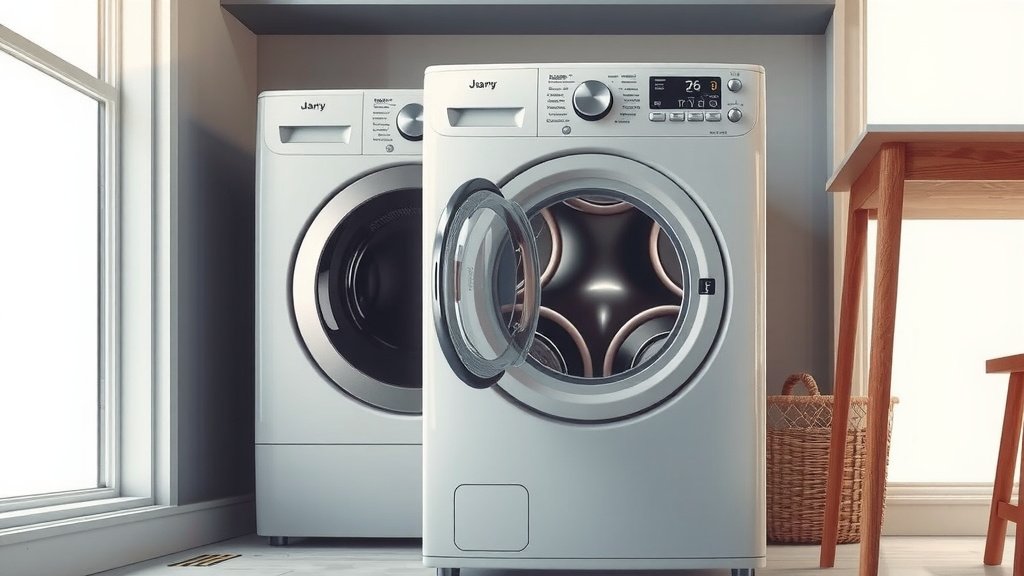
Noise Level: Will It Rumble or Hum?
Nobody wants a washing machine that sounds like a jet engine taking off. Manufacturers are getting better at designing machines that run quietly and smoothly. Look for models that highlight noise reduction technology.
Some brands even provide decibel ratings for their machines. If you can’t find specific ratings, read reviews. Many consumer reviews will mention if a machine is particularly loud or surprisingly quiet. We found that front-loaders are often quieter than older top-loaders, but technology varies greatly by model.
Space and Installation: Does It Fit?
Before you fall in love with a washing machine, measure your laundry space. You need to account for the machine’s dimensions, plus clearance for opening doors and accessing controls. Don’t forget to check where your water hookups and drain are located.
Some compact or stackable units are designed for smaller homes or apartments. If you’re replacing an old machine, take note of the hookup types. Ensure the new machine uses the same connections or that you can easily adapt them.
Budget: Setting Your Spending Limit
Washing machines can range from a few hundred dollars to well over a thousand. Set a realistic budget before you start shopping. Remember to factor in potential costs for delivery, installation, and any necessary accessories like hoses or pedestals.
While a cheaper machine might seem appealing, consider the long-term costs. More efficient models can save you money on utilities over time. Plus, higher-end machines often come with better warranties and more durable components. We found that balancing upfront cost with long-term savings is key.
Quick Checklist Before You Buy:
- Measure your laundry space carefully.
- Know your household size for capacity needs.
- Decide between top-load and front-load.
- Prioritize energy and water efficiency (ENERGY STAR).
- Consider the wash cycles and features you’ll actually use.
- Set a budget and stick to it!
Conclusion
You’ve now learned what truly matters when picking your next washing machine. We’ve covered everything from machine type and capacity to energy efficiency and special wash cycles. Thinking about your household’s needs and laundry habits will guide your decision. Don’t forget to measure your space and set a budget before you shop. Making an informed choice now means a smoother laundry day for years to come. Your best next step is to take these points to your favorite appliance store or online retailer.
Frequently Asked Questions
How do I know what washing machine capacity I need?
To figure out your ideal capacity, think about your household size. For one or two people, a smaller machine works well. Larger families or those who wash bulky items often need a bigger drum. Most manufacturers provide guidelines to help you match capacity to your needs.
Are front-load or top-load washers better for my clothes?
Generally, front-load washers are considered gentler on fabrics. They use a tumbling action that is less abrasive than the agitator found in some traditional top-loaders. High-efficiency (HE) top-loaders with impellers are also gentler than older models. Your choice depends on your preference for loading style and fabric care priorities.
Is an ENERGY STAR certified washing machine worth the extra cost?
Yes, an ENERGY STAR certified washing machine can save you money in the long run. These models use less electricity and water, which lowers your utility bills. Over the lifespan of the appliance, these savings can often outweigh a higher upfront cost.
What are “smart” features on a washing machine, and do I need them?
Smart features often allow you to control your washer remotely via a smartphone app. You might get cycle notifications or be able to run diagnostics. Whether you need them depends on your lifestyle and desire for connectivity. They can offer convenience but usually come at a higher price point.
How can I ensure my new washing machine doesn’t take up too much space?
Always measure your intended laundry space before buying. Check the machine’s dimensions, including clearance needed for doors and hoses. If space is very limited, consider compact or stackable washer models designed for apartments or smaller homes. Double-check your water hookup locations too.
![7 Best Price On Stackable Washer Dryer [In 2026]](https://homeunderstandable.com/wp-content/uploads/2026/09/7-best-price-on-stackable-washer-dryer-in-2026-featured-768x432.jpg)
![7 Best Compact Washer Dryer For Apartment [In 2026]](https://homeunderstandable.com/wp-content/uploads/2026/08/7-best-compact-washer-dryer-for-apartment-in-2026-featured-768x432.jpg)