Air Compressor vs Air Tank: Which Do You Need
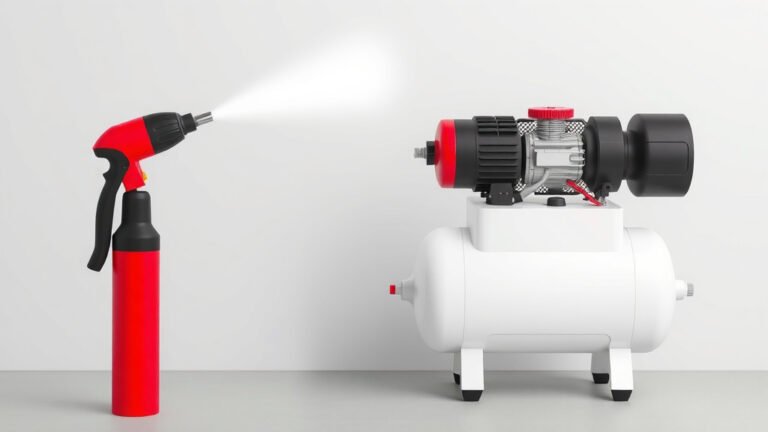
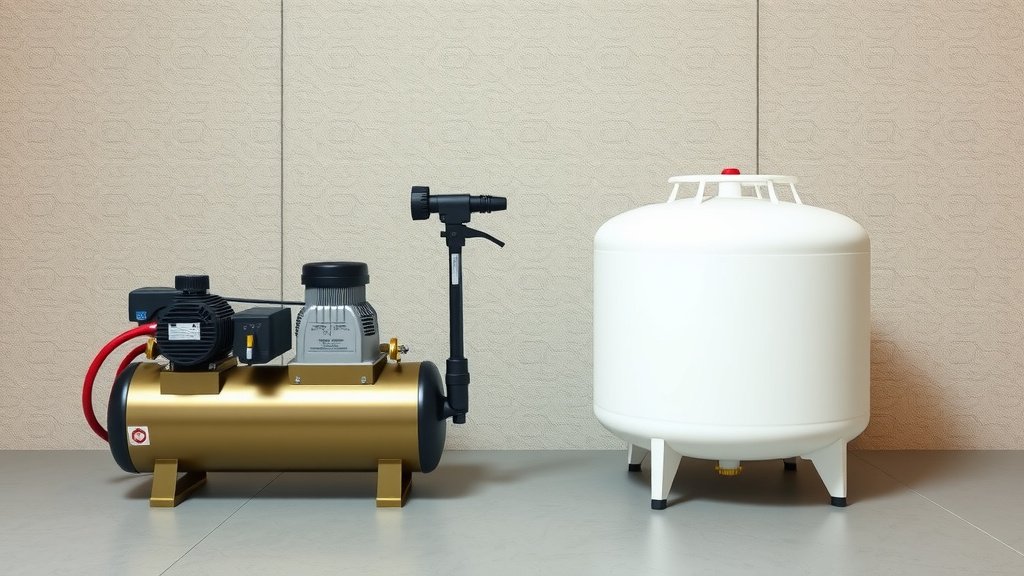
Choosing between an air compressor and an air tank for your workshop isn’t a one-size-fits-all decision. An air compressor is the powerhouse that generates compressed air, while an air tank simply stores it. You need the compressor to fill the tank, but the tank provides a steady supply of air for your tools.
Think of it this way: your compressor is the engine, and the tank is the fuel tank. Many DIYers and professionals use both together for optimal performance. Understanding their distinct roles is key to building an effective pneumatic system for your projects. We found that many users benefit most from this paired approach.
- Air compressors make compressed air.
- Air tanks hold compressed air.
- You typically need both for most tools.
- The compressor refills the tank.
- The tank offers consistent pressure.
Let’s break down exactly how each piece works and why you might need one, the other, or both for your shop.
Understanding How Air Power Works in Your Shop
So, you’re wondering about the difference between an air compressor and an air tank. It’s a common question when you’re setting up your workshop or upgrading your tools. Let’s clear things up. Think of it like this: a car needs an engine to run and a gas tank to hold fuel. An air compressor is your engine, and an air tank is your fuel tank.
The Air Compressor: The Heart of the System
An air compressor is the machine that actually creates compressed air. It takes in regular air and squeezes it down into a smaller volume. This stored energy is what powers your pneumatic tools. Without a compressor, you wouldn’t have any compressed air to use at all.
How Compressors Work
Most air compressors use a piston and cylinder, much like an internal combustion engine. The piston moves up and down, sucking in air and then compressing it. This compressed air is then pushed into a storage tank. We found that the type of compressor you choose will affect its performance and how much air it can produce.
Key Compressor Features to Consider
- CFM (Cubic Feet per Minute): This measures the volume of air the compressor can deliver. It’s crucial for matching your compressor to your tools.
- PSI (Pounds per Square Inch): This indicates the pressure of the air. Most common tools operate around 90 PSI.
- Horsepower (HP): A general indicator of power, but CFM and PSI are more important for tool performance.
- Tank Size: Larger tanks can store more air, meaning the compressor runs less often.
- Duty Cycle: This tells you how long the compressor can run before needing to cool down.
The Air Tank: The Air Storage Unit
An air tank, also called a receiver tank, is essentially a container for compressed air. It doesn’t make air itself; it simply holds the air that the compressor has made. The compressor fills the tank, and then your tools draw air from the tank.
Why You Need an Air Tank
Air tanks are important for several reasons. They act as a buffer, smoothing out the air supply. This means you get a consistent, steady stream of air to your tools, even when the compressor isn’t running. This is vital for tools that require a continuous air supply.
The Benefits of an Air Tank
- Consistent Pressure: The tank maintains a stable pressure, preventing dips and surges that can affect tool performance.
- Reduced Compressor Wear: By storing air, the tank allows the compressor to cycle on and off less frequently. This extends the lifespan of your compressor.
- Quieter Operation: Compressors can be noisy. A tank lets the compressor run for a while, then shut off, giving you periods of quieter work.
- Moisture Removal: As air cools in the tank, water vapor can condense and be drained out. This helps prevent rust and damage to your tools.
Air Compressor vs. Air Tank: Which Do You Need?
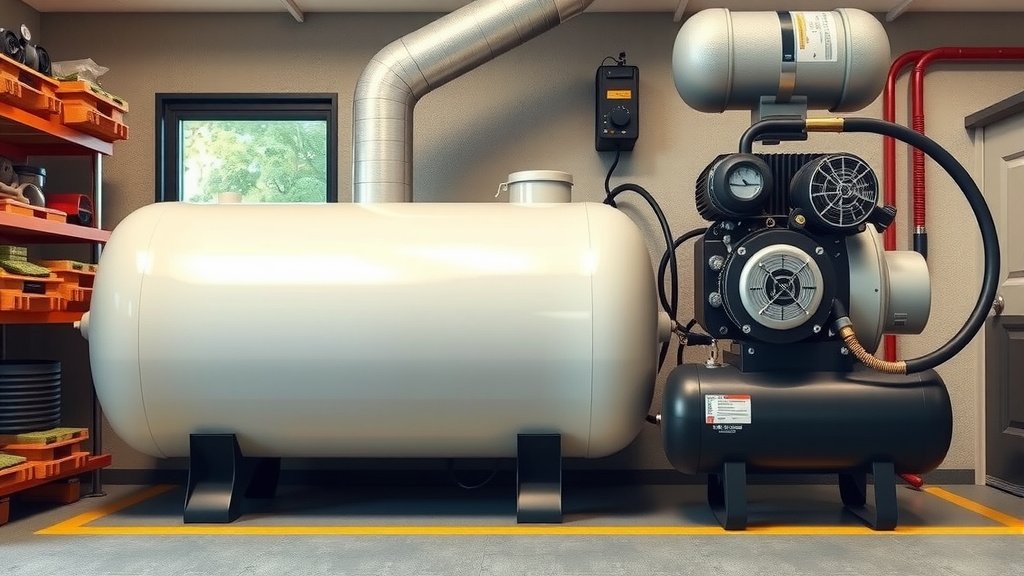
The truth is, it’s rarely a “versus” situation. Most people need both an air compressor and an air tank to effectively power their workshop tools. The compressor makes the air, and the tank stores it for you to use.
Think about it this way: could you run a power tool directly from a compressor that cycles on and off constantly? It would be jerky and unreliable. Could you use an air tank without a compressor? You’d only have the air you initially put in it, which would run out very quickly.
The Synergistic Relationship
We found that the best pneumatic systems use a compressor to fill an air tank. The compressor is set to turn on when the tank pressure drops to a certain level and turn off when it reaches a higher level. This automatic cycling ensures you always have plenty of air ready to go.
Matching Your Needs to the Equipment
The size and type of compressor and tank you need depend entirely on the tools you use. A small airbrush might only need a small compressor with a tiny tank or even just a portable compressor. However, air-powered nail guns, impact wrenches, or sanders will require a larger setup.
We looked at common tool demands. For example, a framing nailer might use 2-3 CFM at 90 PSI, while an impact wrench could demand 5-7 CFM. Always check your tool’s requirements. This ensures your compressor can keep up and refill the tank fast enough.
When Might You Consider Just One?
There are a few niche cases. If you only need air for very short bursts of low-demand tasks, a small, portable compressor with a built-in, tiny tank might suffice. Conversely, if you have a large, central compressor in a factory setting, you might have multiple large receiver tanks distributed throughout the facility to ensure consistent pressure at every workstation.
However, for the typical home garage or small professional shop, the combination of compressor and tank is the standard and most effective setup. It provides the reliability and power you need for your projects.
A Quick Checklist for Your Setup
Before you invest, consider these points:
- What air-powered tools do you own or plan to buy?
- What are their CFM and PSI requirements?
- How often will you be using these tools?
- Do you need portability, or will it be stationary?
- What is your budget for the system?
- Will a single-stage or two-stage compressor meet your needs?
Conclusion
You now understand that an air compressor makes air, and an air tank stores it. For most workshop needs, you’ll need both working together. The compressor provides the power, and the tank offers the steady, reliable supply your tools depend on. This combination prevents jerky tool operation and protects your compressor from constant strain. Don’t think of it as “compressor versus tank,” but rather as a team. Your next step is to assess your tools’ air demands and choose a compressor and tank size that perfectly match your projects. This will ensure your pneumatic system runs smoothly and efficiently for years to come.
Frequently Asked Questions
Can I use an air compressor without an air tank?
You can, but it’s usually not ideal. Running tools directly from a compressor without a tank means the compressor will cycle on and off frequently. This can lead to inconsistent tool performance and put extra wear on the compressor. Some very small, portable compressors have tiny built-in tanks that might suffice for minimal tasks.
What happens if my air tank is too small for my compressor?
If your tank is too small, the compressor will have to run much more often to keep the tank full. This can cause the compressor to overheat, reduce its lifespan, and you might still experience dips in air pressure when using demanding tools. It’s best to match the tank size to your compressor’s output and your tool’s usage.
How do I know what size air tank I need?
The tank size you need depends on how you use your tools. For intermittent use with low-demand tools like brad nailers, a smaller tank (e.g., 2-6 gallons) might work. For continuous use or higher-demand tools like impact wrenches or sanders, you’ll want a larger tank (e.g., 20-60 gallons or more) to provide a buffer.
Will a larger air tank make my compressor more powerful?
A larger air tank doesn’t directly increase the compressor’s power (its CFM or PSI output). However, it stores more compressed air, allowing your tools to run longer at a consistent pressure before the compressor needs to kick back on. This makes it *feel* like you have more power because the supply is more stable.
Can I just buy a standalone air tank?
You can purchase standalone receiver tanks, but they are useless without an air compressor to fill them. These are typically found in larger industrial settings where a central compressor feeds multiple large tanks distributed across a workspace. For a home shop, you’ll always need the compressor to generate the air in the first place.