Air Duster vs Air Compressor: Which Is Right for You
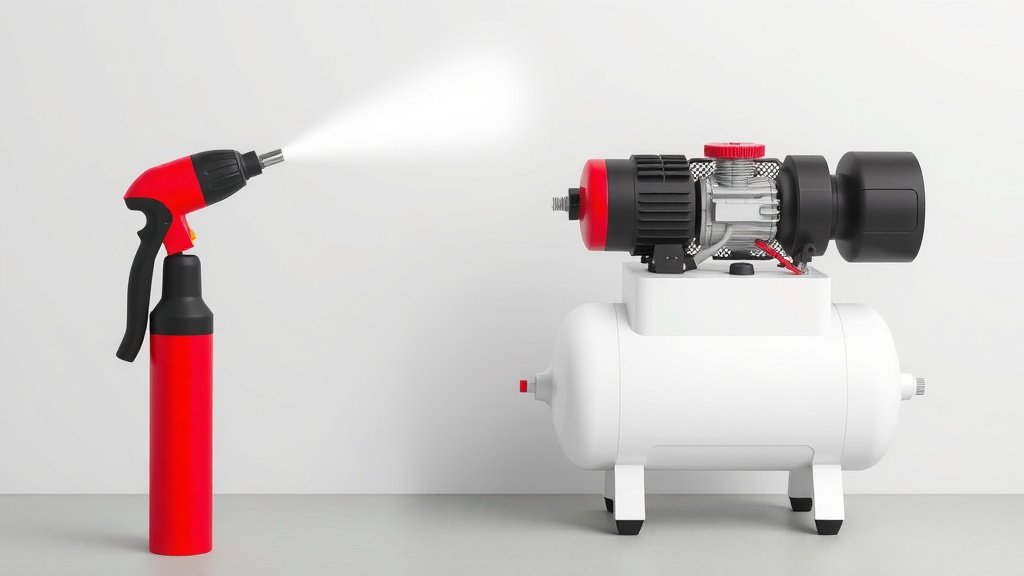
When you need a quick burst of air, an air duster is your go-to for light cleaning tasks. For more serious jobs needing sustained power, an air compressor is the clear winner. Think of it like this: dusters are for dusting, compressors are for building.
We found that choosing between them often depends on the job you’re doing. Are you just trying to blow dust off your keyboard, or are you inflating tires and running power tools? Your project’s needs will guide you to the right tool and save you frustration.
- Air dusters are for quick, light tasks like cleaning electronics.
- Air compressors offer more power and versatility for bigger jobs.
- Compressors can inflate, power tools, and even paint.
- Dusters are portable and easy to use anywhere.
- Compressors require a power source and are generally less portable.
Let’s dive into the key differences and help you decide which one is right for your home or workshop.
“`htmlAir Duster vs. Air Compressor: Which One Do You Need?
Choosing the right air tool can feel a bit tricky. You’ve probably seen both air dusters and air compressors around. They both use air, but they do very different jobs. We found that understanding their main purpose is key. An air duster is like a gentle puff of air. An air compressor is a powerful air machine.
Think of your needs. Are you dealing with fine dust on delicate electronics? Or do you need to power a nail gun? This guide will help you see the differences clearly. You’ll know exactly which tool fits your tasks best.
Understanding Air Dusters: The Quick Cleaners
An air duster is your best friend for quick, light cleaning. Its primary function is to blast away loose particles. These are typically small items like dust, lint, or debris. You’ll often find them in a can of compressed gas. Some are electric models too.
How Air Dusters Work
Most canned air dusters use a propellant. When you press the nozzle, this propellant is released. It comes out as a super-cold liquid that quickly turns into a gas. This creates a strong jet of air. Electric dusters use a small motor and fan to create airflow. They don’t get as cold as canned versions.
What Can You Clean with an Air Duster?
Air dusters are fantastic for:
- Cleaning computer keyboards and other electronics.
- Removing dust from camera lenses and sensors.
- Blowing away sawdust from small craft projects.
- Getting cobwebs out of hard-to-reach corners.
- Cleaning lint from dryer vents.
We found that they excel at jobs where you need a precise, short burst. They are very easy to handle and aim.
Pros and Cons of Air Dusters
Pros:
- Extremely portable and lightweight.
- Very easy to use – just point and spray.
- Affordable for the most part, especially canned versions.
- Great for quick touch-ups.
Cons:
- Canned air can get very cold and may leave residue if held upside down.
- Limited power and duration; you can run out quickly.
- Not suitable for large areas or heavy-duty cleaning.
- Environmental concerns with some propellant gases.
Exploring Air Compressors: The Powerhouses
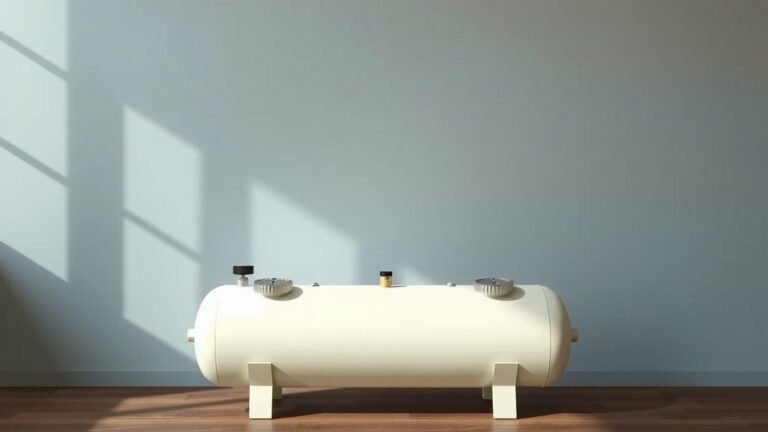
An air compressor is a more serious tool. It’s designed to store and deliver compressed air. This air can be used for a wide range of applications. It’s much more powerful than an air duster. Think of it as a portable powerhouse for your air needs.
The Mechanics of an Air Compressor
Air compressors work by drawing in ambient air. They then compress this air into a storage tank. A motor powers a piston or a screw mechanism to do the compressing. The compressed air is then released on demand. You control the pressure and flow with a regulator. To understand compressor capabilities, learn about the difference between a 1-cylinder vs 2-cylinder air compressor.
Versatile Uses for Air Compressors
The applications for air compressors are vast. We found that they are essential for many tasks:
- Inflating tires on cars, bikes, and sports equipment.
- Powering pneumatic tools like nail guns, staple guns, and impact wrenches.
- Airbrushing and spray painting projects.
- Cleaning large areas with a blow gun attachment.
- Running sanders and grinders for workshops.
They offer sustained power and adjustable air pressure. This makes them ideal for jobs requiring more force or longer air supply.
Types and Considerations for Air Compressors
Air compressors come in various sizes and types. You have portable pancake compressors, small hot-dog style ones, and larger stationary units. Power sources can be electric or gas. When choosing one, consider: To understand compressor capabilities, learn about the difference between a 1-gallon vs 2-gallon air compressor.
- CFM (Cubic Feet per Minute): This measures the air volume. Higher CFM is needed for air tools.
- PSI (Pounds per Square Inch): This measures air pressure. Most tools have specific PSI requirements.
- Tank Size: A larger tank stores more air, meaning less frequent cycling of the motor.
- Portability: Do you need to move it often, or will it stay in one place?
Many experts suggest checking the requirements for any air tools you plan to use (Tool Manufacturers Association).
Pros and Cons of Air Compressors
Pros:
- Much higher power and airflow than dusters.
- Can power various air tools for demanding tasks.
- Versatile for inflating, cleaning, and operating equipment.
- Offers consistent and adjustable air pressure.
Cons:
- Larger, heavier, and less portable than dusters.
- Requires a power source (electricity or gas).
- More expensive upfront cost.
- Can be noisy during operation.
Key Differences Summarized
Let’s put it side-by-side. We’ve compiled the main distinctions to make it easy to see.
| Feature | Air Duster | Air Compressor |
|---|---|---|
| Primary Use | Light cleaning, dust removal | Powering tools, inflation, heavy cleaning |
| Power Output | Low, short bursts | High, sustained, adjustable |
| Portability | Very high | Low to moderate |
| Power Source | Compressed gas (can), battery/plug (electric) | Electric outlet, gas engine |
| Cost | Low | Moderate to High |
| Versatility | Limited | Very High |
Making Your Final Choice: What’s Your Project?
So, which one is right for you? It truly comes down to what you need the air for. If your tasks are small and infrequent, like dusting your keyboard or camera lens, an air duster is likely all you need.
However, if you plan on doing DIY projects, car maintenance, or need to power tools, an air compressor is a far better investment. It opens up a world of possibilities for what you can achieve.
A Quick Checklist for Deciding:
Ask yourself these questions:
- Will I be using this for delicate electronics?
- Do I need to inflate tires regularly?
- Am I planning to use air-powered tools (like nail guns)?
- Does the project require sustained airflow or high pressure?
- How important is portability for my tasks?
- What’s my budget for this tool?
We found that answering these questions honestly guides most people to the correct tool.
“`Conclusion
You’ve seen how air dusters and air compressors differ. For light, quick jobs like cleaning electronics, an air duster is your simple solution. It’s portable and easy to grab for those small messes. If you’re tackling bigger projects, need to power tools, or inflate tires regularly, an air compressor is the way to go. It offers the sustained power and versatility you’ll need. Your next step is simple: identify your most common tasks. This will clearly point you toward the right tool for your home or workshop, saving you time and effort.
Frequently Asked Questions
Can I use an air compressor to clean my computer keyboard?
Yes, you can use an air compressor to clean a keyboard. Just be sure to use a blow gun attachment with a pressure regulator. Set the pressure very low, around 10-20 PSI, to avoid damaging delicate components. You’ll want to maintain a good distance and use short bursts.
Are canned air dusters bad for the environment?
Some canned air dusters contain propellants that can be harmful to the environment. Many newer products use more eco-friendly alternatives, but it’s always good to check the label. Electric air dusters are a great environmentally friendly option as they don’t use propellants at all.
How do I know if my air tools need a compressor?
Your air tools will specify their air requirements, usually in CFM (Cubic Feet per Minute) and PSI (Pounds per Square Inch). You need an air compressor that can meet or exceed these requirements consistently. Check the tool’s manual or packaging for these details.
Can an air duster replace an air compressor for small DIY projects?
Generally, no. Air dusters are designed for light particle removal, not for powering tools or providing sustained airflow. For any DIY projects involving air-powered tools or requiring consistent air pressure, an air compressor is necessary.
What’s the best way to store an air compressor?
Store your air compressor in a dry, well-ventilated area. Ensure the tank is drained of any moisture to prevent rust. If it’s a portable unit, keep it protected from extreme temperatures and the elements when not in use.