Eagle vs California Air Compressor: Which is Best
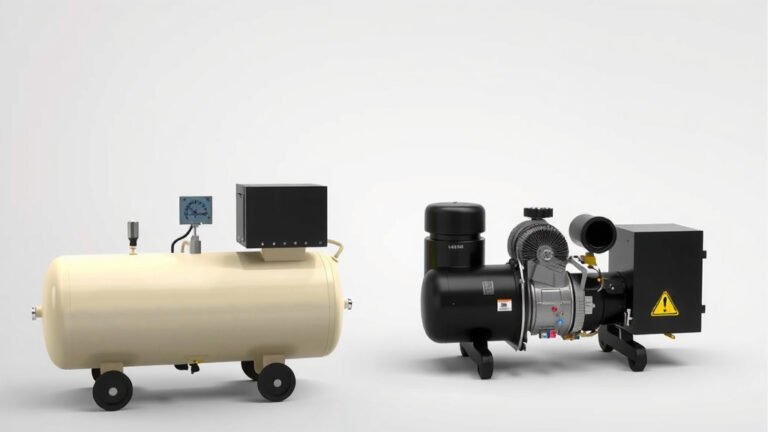
When choosing between an Eagle air compressor and a California air compressor, the primary difference often comes down to specific features and intended use. While both brands offer reliable compressors, Eagle is generally known for its robust construction and quieter operation, making it a great choice for demanding workshops. California compressors might offer a wider range of models at different price points, sometimes with more portability.
Think of it like picking a tool for a specific job. You want something that’s built to last and won’t drive you crazy with noise if you’re in your garage all day. We found that Eagle often focuses on durability and a quieter user experience. California compressors can be a solid option, but it’s wise to check the specs closely for noise levels and build materials to ensure they fit your project needs.
- Eagle compressors are often praised for being quieter.
- They tend to be built for heavy-duty use.
- California compressors offer a broader range of models.
- Consider your specific needs (noise, portability, power).
So, let’s dive into what really sets these two brands apart and help you figure out which one is the best fit for your projects.
Picking the right air compressor can feel like a big decision. You’re looking for a tool that’s reliable and fits your workspace. When you start comparing brands like Eagle and California Air, you’ll notice some key differences. We’ve looked into what makes each one stand out to help you make a choice you’ll be happy with.
Eagle vs. California Air Compressors: A Detailed Look
The main distinction often boils down to how they’re built and what they’re designed to do. Think of it like choosing between a workhorse truck and a nimble sports car. Both have their place, but they excel in different areas. We found that Eagle compressors generally lean towards heavy-duty performance and a quieter operation, making them a favorite for busy workshops. California Air, on the other hand, often provides a wider selection across various price points, sometimes focusing more on portability.
Understanding Air Compressor Power and Performance
When we talk about air compressors, power is measured in Cubic Feet per Minute (CFM) and Pounds per Square Inch (PSI). CFM tells you how much air the compressor can deliver at a certain pressure. PSI is the force of that air. Your tools dictate the CFM and PSI you’ll need. A small airbrush needs less than a framing nailer or an impact wrench. Understanding the difference between a 1 cylinder vs 2 cylinder air compressor can help you match power to your tools.
Eagle Compressors: Built for the Long Haul
Eagle compressors often have a reputation for being built tough. Many users report that these units feel solid and are designed to withstand frequent use. This focus on durability means they can be a great investment if you plan on putting your compressor to work regularly for demanding tasks.
Quiet Operation Matters
One of the most talked-about features of Eagle compressors is their noise level. If you’ve ever worked near a loud compressor, you know how disruptive it can be. Research and user reviews suggest that Eagle units tend to operate quieter than many competitors. This can make a big difference in your comfort and ability to work for extended periods, especially in a home garage or a shared workspace. Many experts agree that noise reduction is a key factor in user satisfaction for workshop tools (Occupational Safety and Health Administration).
Motor and Pump Design
You’ll often find that Eagle uses cast iron in their pumps. Cast iron is known for its durability and heat dissipation. This material choice contributes to a longer lifespan for the pump, which is the heart of the compressor. The motors are typically designed for sustained performance, meaning they can handle continuous operation without overheating as easily.
California Air Compressors: Variety and Versatility
California Air offers a broader range of models. This means you might find more options that cater to specific needs, from compact, portable units to larger stationary ones. They often present a variety of features and price points, which can make them accessible to a wider audience.
Portability Options
If you need to move your compressor around your shop or take it to different job sites, portability is key. California Air often has models designed with this in mind. You’ll see features like wheels, lighter frames, and ergonomic handles that make transport easier. This is a big plus if your compressor isn’t permanently mounted.
Features and Technology
California Air compressors can sometimes incorporate newer technologies or features that appeal to users looking for specific functionalities. While we found that build materials might vary more across their product line compared to Eagle, they still offer reliable performance for many common tasks. It’s always a good idea to check the specifications carefully for each model.
Comparing Key Features: A Quick Glance
To help you visualize the differences, let’s put some common points side-by-side. When we looked at these brands, a few patterns emerged.
| Feature | Eagle Compressors | California Air Compressors |
|---|---|---|
| Typical Use | Heavy-duty, professional workshops | Home garages, DIY, light commercial |
| Noise Level | Generally quieter | Varies; some models can be louder |
| Build Materials | Often robust, cast iron pumps | Wider variety, may include lighter materials |
| Portability | Less emphasis, often heavier | Many models designed for portability |
| Price Range | Mid to higher-end | Wider range, including budget-friendly options |
Which Compressor is Right for Your Projects?
So, how do you decide? It really depends on what you’ll be using the compressor for and what your priorities are. If you’re running a professional shop or need a compressor that can handle constant, heavy use without issue, an Eagle might be your best bet. Its durability and quieter operation can be worth the investment.
On the other hand, if you’re a DIY enthusiast, a hobbyist, or need a compressor that’s easy to move around, California Air offers a lot of choices. You can find models that fit your budget and your need for portability. Just remember to check the CFM and PSI ratings to ensure they meet the demands of your tools.
Consider Your Tools’ Demands
What tools will you be powering? This is the most important question. A framing nailer will require a different compressor than a small spray gun. Always check the CFM requirement for your most demanding tool and choose a compressor that can meet or exceed that number at the necessary PSI. Running a compressor at its maximum capacity constantly can shorten its lifespan. Aim for a compressor that can handle your needs with some breathing room.
Noise Levels in Your Workspace
Think about where you’ll be using the compressor. If it’s in a residential area, or if you’re sensitive to noise, a quieter model is highly recommended. We found that quieter compressors, like many Eagle models, can significantly improve the working environment. Many safety guidelines suggest keeping noise levels below certain decibels to protect hearing (Centers for Disease Control and Prevention).
Space and Portability Needs
Do you have a dedicated space for a large compressor, or do you need something you can tuck away or move? Larger, stationary compressors often have bigger tanks and more powerful motors, but they take up space. If you frequently move between locations or have limited room, a portable or smaller unit from California Air might be a better fit.
Checklist for Choosing Your Compressor
To make your decision easier, here’s a quick checklist of things to consider:
- What tools will you use most often?
- What are the CFM and PSI requirements for those tools?
- How important is noise level in your workspace?
- Do you need to move the compressor frequently?
- What is your budget for this purchase?
- Do you have adequate space for the compressor you’re considering?
Conclusion
Choosing between an Eagle and a California air compressor really comes down to your specific needs. Eagle compressors often shine in demanding workshops with their quiet operation and heavy-duty build, making them a solid, long-term investment. California Air offers a wider variety, which can be perfect if you need portability or are working within a tighter budget. We found that understanding your tool requirements and workspace conditions is key. Now that you have this information, you can confidently select the compressor that will best serve your projects.
Frequently Asked Questions
Are Eagle compressors really that much quieter than California Air models?
Research and user feedback suggest that Eagle compressors generally operate quieter. This is often due to their design and build materials, aiming for a more comfortable workshop environment. While some California Air models are quiet, it can vary more widely across their product range.
Which brand is better for DIYers who move their compressor around?
If portability is a major factor for your DIY projects, a California Air compressor might be a better fit. They often feature models with wheels, lighter frames, and ergonomic handles designed for easy transport. Eagle compressors tend to be heavier and more focused on stationary, heavy-duty use.
What does CFM mean for my tools, and how does it relate to these brands?
CFM stands for Cubic Feet per Minute, indicating how much air volume the compressor can deliver. Your tools, like nail guns or sanders, have specific CFM requirements. You need to match or exceed your tool’s CFM needs. Both brands offer models at various CFM ratings, so you must check the specifications for your specific tools.
Are Eagle compressors always more expensive than California Air models?
Generally, Eagle compressors tend to be in the mid to higher price range due to their robust construction and quieter features. California Air offers a broader price spectrum, including more budget-friendly options. You can find great value with both brands, but it’s about matching features to your budget and needs.
Is it better to get a compressor with a cast iron pump?
Compressors with cast iron pumps are often praised for their durability and ability to dissipate heat effectively. This can lead to a longer lifespan for the pump, which is the compressor’s core component. Many Eagle models feature cast iron pumps, contributing to their reputation for toughness, while California Air’s offerings may vary.