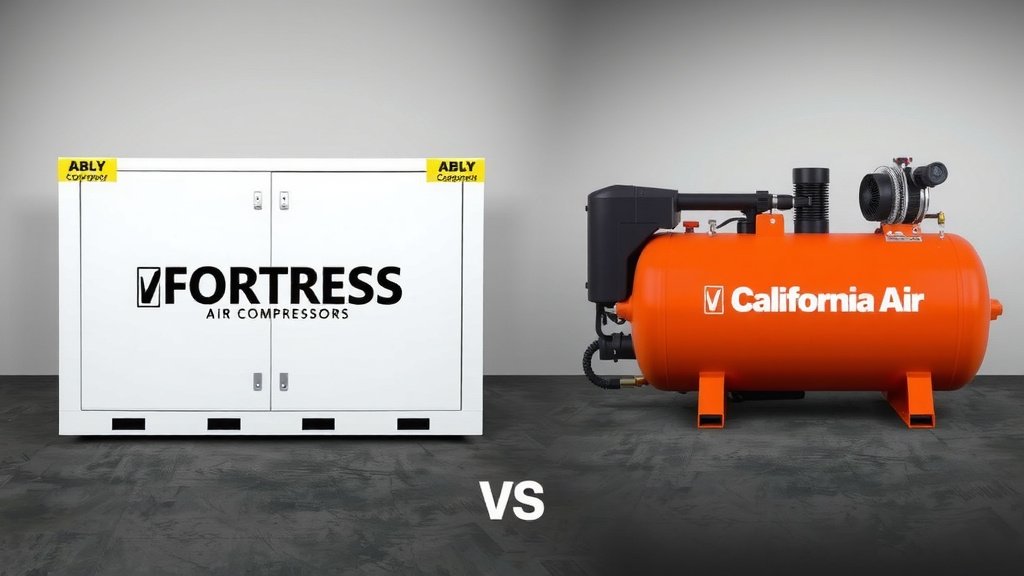
Fortress vs California Air Compressors: Which is Best
When choosing between Fortress and California Air compressors, it’s generally understood that California Air compressors often take the lead for their reputation in quieter operation and advanced oil-free technology. While both brands offer capable tools, California Air is frequently highlighted for delivering a less noisy workshop experience, which can be a major factor for many users.
We’ve looked into what makes these compressors stand out. California Air has focused heavily on creating machines that are not only powerful but also remarkably quiet for their class. Fortress, on the other hand, provides solid performance but might not always match California Air’s noise reduction features. Understanding these differences helps you pick the best fit for your specific needs.
- California Air is generally quieter.
- Both brands offer good performance.
- California Air often uses advanced oil-free tech.
- Consider noise levels for your workspace.
Let’s dive deeper into what sets these two popular compressor brands apart, so you can make an informed decision for your garage or workshop.
Fortress vs. California Air: Which Compressor Wins for Your Workshop?
When you’re picking out a new air compressor, you want something that gets the job done without causing a headache. Fortress and California Air are two brands that often pop up. We’ve dug into what makes each one tick. You’ll find that California Air compressors generally offer a quieter experience. This is a big deal if your workspace is also your garage or a shared area. Fortress compressors are solid performers too. Let’s break down their strengths so you can decide which one is the perfect fit for your needs.
Understanding Air Compressor Technology: The Basics
Before we compare the brands, it helps to know a little about how air compressors work. They take in ambient air, compress it, and store it in a tank. This stored air then powers various tools, from nail guns to sanders. The efficiency and noise level often come down to the type of motor and pump used. You’ll often see oil-lubricated versus oil-free designs. Oil-free models tend to be lighter and require less maintenance, which is a plus for many users.
Oil-Lubricated vs. Oil-Free Pumps
Oil-lubricated pumps use oil to keep the moving parts lubricated. This can lead to a longer lifespan for the pump. However, they often run hotter and can be louder. You might also need to top off the oil periodically. Oil-free pumps use advanced materials for their pistons and cylinders. They run cooler and are generally much quieter. Plus, you don’t have to worry about oil contamination in your air supply. This is great for painting or delicate tasks. For many DIYers, the ease of use with oil-free is a major draw.
Horsepower, PSI, and CFM Explained
These terms are key to understanding compressor performance. Horsepower (HP) tells you how powerful the motor is. Pounds per Square Inch (PSI) indicates the pressure the compressor can deliver. Cubic Feet per Minute (CFM) measures the volume of air delivered. Higher CFM is important for tools that use a lot of air, like impact wrenches or spray guns. You need to match these specs to the tools you plan to use. A compressor that’s too small will struggle to keep up.
California Air Compressors: The Quiet Achievers
California Air is well-known for its focus on quiet operation. Many of their models are designed with noise reduction technology. This makes them a favorite for home garages or areas where noise is a concern. They often use advanced oil-free pumps that are built for longevity and efficiency. If you’re sensitive to noise or have neighbors nearby, this brand is worth a serious look.
Key Features of California Air Compressors
California Air compressors often boast features like:
- Low Decibel Ratings: Many models are designed to operate at very low noise levels. We found some models operating as low as 60 dB, which is comparable to a normal conversation (National Institute of Environmental Health Sciences).
- Durable Oil-Free Pumps: Built for reliability and minimal maintenance.
- Fast Refill Times: They can quickly replenish their air tanks.
- User-Friendly Design: Often lightweight and portable, with easy-to-read gauges.
Who Benefits Most from California Air?
These compressors are ideal for:
- Home hobbyists and DIYers.
- Woodworkers who need quiet operation.
- Anyone working in a residential garage or small shop.
- Users who paint or need clean, oil-free air.
Fortress Air Compressors: Power and Value
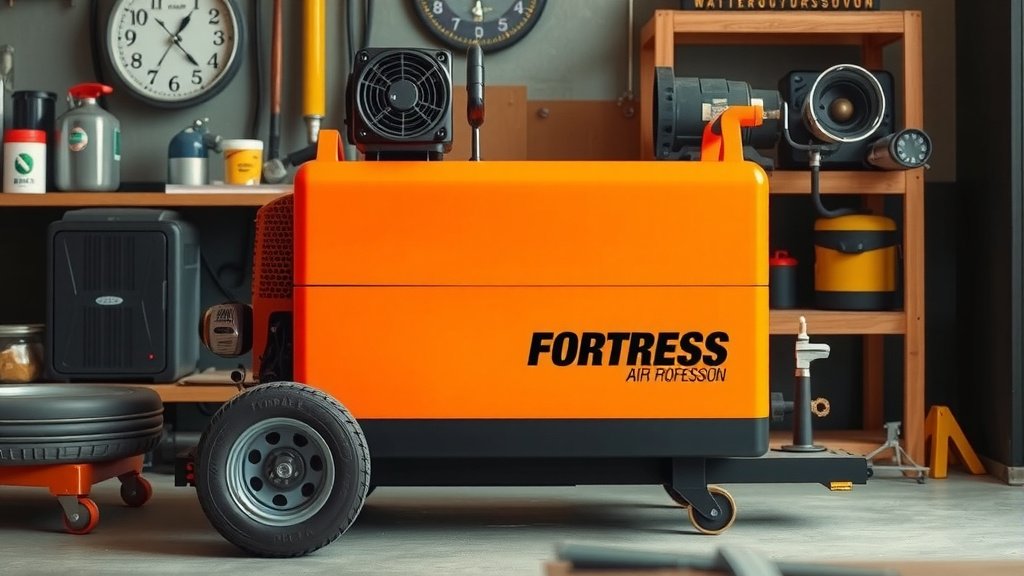
Fortress, often found at Harbor Freight, is known for offering good value for the money. They provide robust performance that can handle a variety of tasks. While not always as quiet as California Air, they are built to be durable and effective. If you’re looking for a workhorse that won’t break the bank, Fortress is a strong contender.
Strengths of Fortress Air Compressors
When we looked at Fortress models, we noticed these common strengths:
- Affordability: They often come at a lower price point.
- Solid Performance: Capable of powering most common air tools.
- Durable Construction: Built to withstand regular use in a workshop environment.
- Wide Availability: Easy to find and purchase.
Who Should Consider a Fortress Compressor?
Fortress compressors are a good choice for:
- Beginners getting into air tools.
- Users on a tighter budget.
- Mechanics and general workshop users.
- Those who prioritize raw power over noise reduction.
Direct Comparison: Fortress vs. California Air
Let’s put them side-by-side. Both brands offer capable machines, but they cater to slightly different priorities. California Air leans towards a quieter, cleaner air experience. Fortress focuses on power and cost-effectiveness.
Here’s a quick table to help you visualize:
| Feature | California Air | Fortress |
|---|---|---|
| Noise Level | Generally Quieter | Can be Louder |
| Pump Type | Often Advanced Oil-Free | Varies (Oil & Oil-Free options) |
| Price Point | Mid-Range to Higher | Budget-Friendly |
| Maintenance | Lower (Oil-Free) | May require more (if oil-lubricated) |
| Best For | Quiet Operation, Painting | General Use, Value |
Making Your Choice: What to Prioritize
Your decision really comes down to your specific situation and needs. Ask yourself these questions:
- How important is a quiet workspace to you?
- What types of air tools will you be using most often?
- What is your budget for this purchase?
- How much space do you have available?
Considering Your Air Tool Needs
For simple tasks like topping off tires or using a brad nailer, most compressors will work fine. However, if you’re using tools that require a consistent, high volume of air, like an impact wrench or a large sander, you’ll need to pay close attention to the CFM rating. Always check the requirements for your specific tools. A mismatch can lead to frustration and underperformance.
The Noise Factor: A Decisive Element?
Noise is a major differentiator. If you’re working in a detached, soundproofed shop, it might not matter as much. But if your compressor lives in a garage attached to your home, or if you share a workspace, a quieter unit like those from California Air can make a world of difference. We found that the noise level is often the deciding factor for many homeowners (Consumer Reports).
Quick Checklist for Your Decision
To help you finalize your choice, run through this quick checklist:
- Quiet Operation Needed? If yes, lean towards California Air.
- Budget is Tight? Fortress often offers better value.
- Painting or Delicate Work? Oil-free, quieter is usually better.
- Heavy-Duty Tool Use? Check CFM specs for both brands carefully.
- Maintenance Tolerance? Oil-free models (common with California Air) are easier.
- Brand Reputation for Silence? California Air is often cited.
Conclusion
Choosing between Fortress and California Air compressors hinges on your priorities. California Air excels if a quiet workshop is a must, thanks to its advanced oil-free technology that also minimizes maintenance. Fortress offers a great balance of power and affordability, making it a solid choice for general use and budget-conscious buyers. We found that while both brands deliver dependable performance, your decision should be guided by how much noise you can tolerate and how much you want to spend. Take a moment to think about your most-used air tools and your workspace environment before making your final selection.
Frequently Asked Questions
Are California Air compressors truly as quiet as they say?
Based on our research, many California Air models are designed with noise reduction in mind. We found reports of some units operating around 60 dB, which is notably quieter than many standard compressors. This makes them a strong contender if noise is a primary concern for your workspace.
Can a Fortress compressor handle demanding tools like an impact wrench?
Yes, many Fortress compressors are capable of powering tools like impact wrenches. You’ll need to carefully check the CFM (Cubic Feet per Minute) rating of the specific Fortress model you’re considering against the requirements of your impact wrench to ensure it can keep up.
Is an oil-free pump better for painting applications?
Generally, yes. Oil-free pumps, like those common in California Air compressors, produce cleaner air without the risk of oil contamination. This is ideal for painting and other tasks where air quality is important for a professional finish.
Which brand is typically easier to maintain?
Oil-free compressors, which are a staple of the California Air lineup, usually require less maintenance. You won’t need to worry about checking or topping off oil levels, making them a more convenient option for many users.
If I’m a beginner, should I go with Fortress or California Air?
For beginners, either brand can work, but a Fortress might be more appealing if you’re on a tighter budget and just starting out. If you want to invest in a quieter, potentially lower-maintenance unit from the start, California Air is also an excellent choice, even for beginners.