Air Compressor Explained: How It Works And What It Does
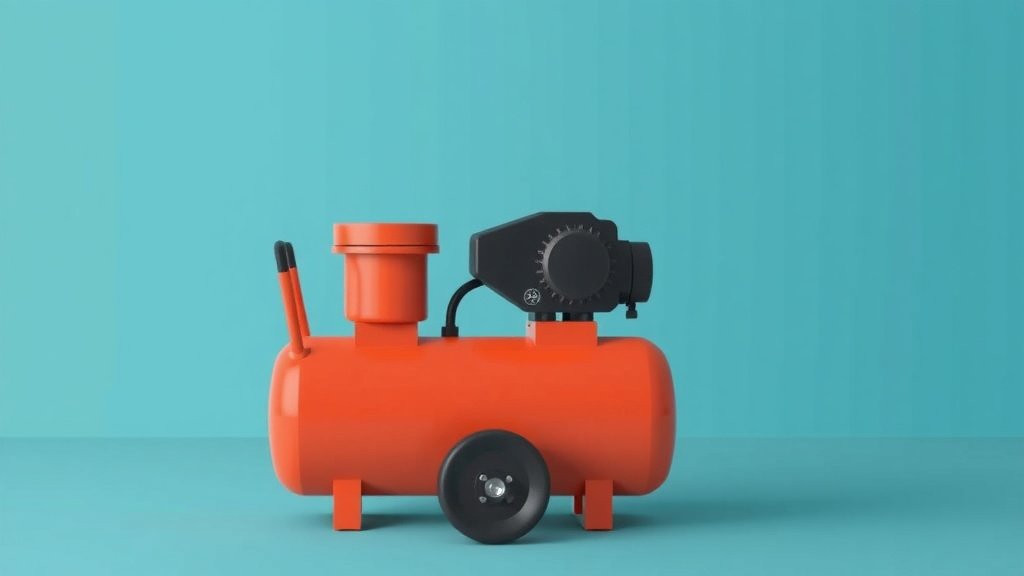
An air compressor is a machine that uses a motor or engine to draw in ambient air. It then compresses this air into a smaller volume. This pressurized air can then be stored and used to power tools or machinery. Think of it like a fancy bellows, but much more powerful.
Compressors are incredibly useful in many settings, from home garages to large industrial plants. They convert rotational energy into potential energy stored in pressurized air. This energy can be released on demand, making them a versatile power source for various applications.
- An air compressor squeezes air into a smaller space.
- This creates stored energy you can use later.
- It powers many tools and machines.
- They are found in homes and factories.
Let’s get into the details of how these handy devices work and what makes them so essential.
Understanding Air Compressors and How They Work
So, what exactly is an air compressor and how does it transform ordinary air into a powerful force? You’ve got the basic idea: it’s a machine that squeezes air. But the magic is in the ‘how.’ This process stores potential energy, ready to be released for your projects. Think of it like winding up a toy car; you store energy, and then it moves!
The Core Function: Taking Air and Making It Mighty
At its heart, an air compressor is designed to increase the pressure of air. It does this by reducing the volume the air occupies. Imagine taking a big, fluffy balloon and trying to cram all the air from it into a tiny party favor balloon. That’s essentially what a compressor does, but with much more force and control.
Drawing In the Air: The First Step
Every air compressor starts by bringing in ambient air from its surroundings. This is often called the intake stroke. For most compressors, this happens naturally as the internal components create a vacuum. It’s like the machine is taking a big breath.
The Compression Process: Squeezing the Air
Once the air is inside, the compressor’s main job begins: compression. This is where the energy conversion truly happens. Research shows there are several ways this can be achieved. The most common methods involve mechanical action to force the air into a smaller space. This action is powered by an electric motor or an engine, making it a surprisingly efficient power source.
How Does the Air Get Squeezed?
The actual squeezing can happen in a few different ways, depending on the type of compressor. The two most popular types for home and small business use are piston compressors and rotary screw compressors. We found that understanding these basic mechanisms makes it much clearer. Choosing the right gallon air compressor means matching its tank size and CFM output to your specific applications.
Types of Air Compressors: Not All Squeezers Are Created Equal
While the end goal is pressurized air, the journey to get there varies. We can break down compressors into two main categories: reciprocating (like a piston in an engine) and rotary (spinning parts). This distinction is important because it dictates how they operate and what they’re best suited for.
Reciprocating Compressors: The Piston Powerhouses
These are likely what you picture when you think of a compressor. They use a piston moving back and forth inside a cylinder. On the intake stroke, the piston moves down, drawing air in through a valve. Then, on the compression stroke, the piston moves up, squeezing the air and forcing it out through another valve. Many experts say these are great for intermittent use.
Rotary Screw Compressors: The Continuous Flow
Rotary screw compressors use two interlocking helical screws. As these screws rotate, they trap pockets of air. These pockets get smaller as they move along the screws, effectively compressing the air. We found that these are generally used for larger applications needing a continuous supply of air. They tend to be quieter and more efficient for heavy-duty tasks.
Key Components of an Air Compressor System
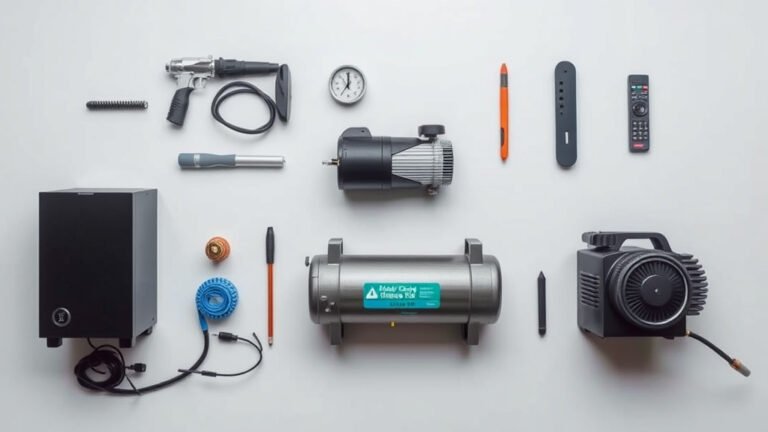
Beyond the core compression mechanism, a complete air compressor system includes several vital parts. Each plays a role in ensuring you get clean, usable compressed air safely. Think of it like a well-orchestrated team, where each member has a specific job.
The Tank: Where the Power is Stored
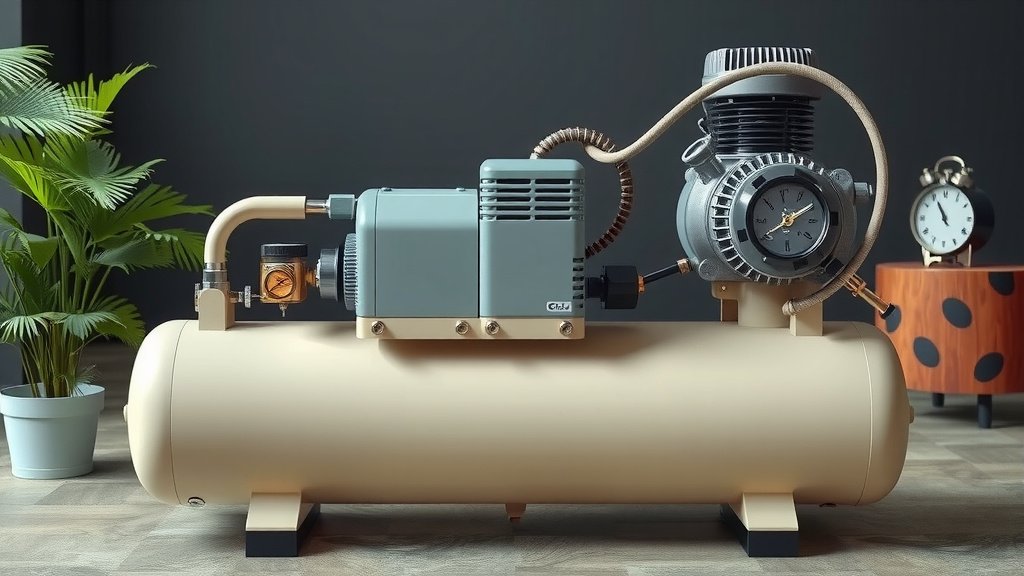
The air tank, also known as a receiver, is where the compressed air is stored. This is essential because compressors don’t usually run constantly. The tank allows you to use air for short bursts without the motor having to cycle on and off every few seconds. This also helps to cool the air before it’s used, which is beneficial.
The Motor/Engine: The Driving Force
This is the heart that powers the whole operation. It could be an electric motor, common in home and shop use, or an internal combustion engine, often found in portable or industrial units. The motor’s job is to turn the compressor’s mechanical parts, providing the energy for compression.
Valves and Filters: Ensuring Quality Air
Air isn’t always perfectly clean. Compressors have intake valves to let air in and exhaust valves to let compressed air out. Filters are critical, especially intake filters, to prevent dust and debris from entering the compressor and causing damage. Many sources emphasize the importance of clean air for tool longevity (National Institute for Occupational Safety and Health).
Pressure Switch and Gauge: Control and Monitoring
A pressure switch is a crucial safety and efficiency feature. It automatically turns the motor off when the tank reaches its maximum pressure and turns it back on when the pressure drops below a certain level. A pressure gauge lets you see the current pressure in the tank at a glance. This helps you manage your air supply effectively.
Putting It All Together: The Air Flow Explained
Let’s trace the path of air through a typical piston compressor. You’ll see how each part contributes to the final output. It’s a fascinating process once you break it down into steps.
- The motor starts, driving the piston.
- The piston moves down, opening the intake valve and drawing in ambient air.
- The piston moves up, closing the intake valve and squeezing the trapped air.
- This compressed air is forced through the exhaust valve into the tank.
- The pressure switch monitors the tank and shuts off the motor when full.
- When you use air, the pressure drops, and the switch restarts the motor.
This cycle repeats, ensuring you always have a reserve of pressurized air ready to go. It’s a continuous loop of intake, compression, and storage, all managed for your convenience and safety.
Why All This Matters: The Practical Use of Compressed Air
So, why go through all this effort to compress air? Because compressed air is an incredibly versatile and powerful medium. It’s often referred to as the “fourth utility,” alongside electricity, water, and natural gas, in industrial settings. We found its applications are truly widespread.
Think about your garage: air impacts, tire inflators, and paint sprayers all rely on compressed air. In construction, it powers nail guns and jackhammers. In manufacturing, it’s used for assembly lines, robotics, and cleaning. The ability to store and release this energy on demand makes it ideal for many tasks that require bursts of power or precise control.
Quick Checklist for Understanding Your Air Compressor
To sum it up, here’s a quick rundown to help you remember the key points:
- Compressors take in air.
- They squeeze that air into a smaller volume.
- This increases the air’s pressure and stores energy.
- Motors or engines provide the power.
- Tanks store the compressed air.
- Various tools and machines use this stored energy.
Conclusion
You now understand that an air compressor is a machine that transforms ordinary air into a powerful, storable energy source. By drawing in ambient air and using mechanical action to compress it into a smaller volume, it builds up potential energy. Whether it’s a piston-style compressor for your garage or a rotary screw for industrial needs, the core function remains the same: making air work for you. With this knowledge, you’re ready to better appreciate how this technology powers countless tools and tasks. Next time you use an air-powered tool, you’ll know the ingenious process behind that burst of energy.
Frequently Asked Questions
What’s the main difference between piston and rotary screw compressors?
Piston compressors use a back-and-forth motion, like a car engine, to compress air. We found they are often best for intermittent use. Rotary screw compressors use rotating screws to continuously compress air, making them ideal for applications needing a steady supply.
Why do I need an air tank if the compressor makes the air?
The air tank, or receiver, is essential for storing the compressed air. It allows you to use air in bursts without the compressor running constantly. Research shows this storage also helps cool the air before you use it, which can be beneficial.
How does the pressure switch work on an air compressor?
The pressure switch automatically controls the motor. It turns the motor off when the air tank reaches its set maximum pressure. When you use air and the pressure drops, it signals the motor to turn back on to refill the tank.
Can I use any type of air compressor for home DIY projects?
For most home DIY projects like inflating tires, using air nailers, or painting, a smaller piston-style compressor is usually sufficient. We’ve seen that these are often more affordable and designed for intermittent use, which is common in a home garage setting.
What are the most common problems with air compressors?
Common issues we’ve researched include leaks in the system, which reduce efficiency. Clogged filters can also cause problems by restricting airflow. Additionally, ensuring the compressor is properly lubricated and that the pressure switch is functioning correctly are key to preventing breakdowns.