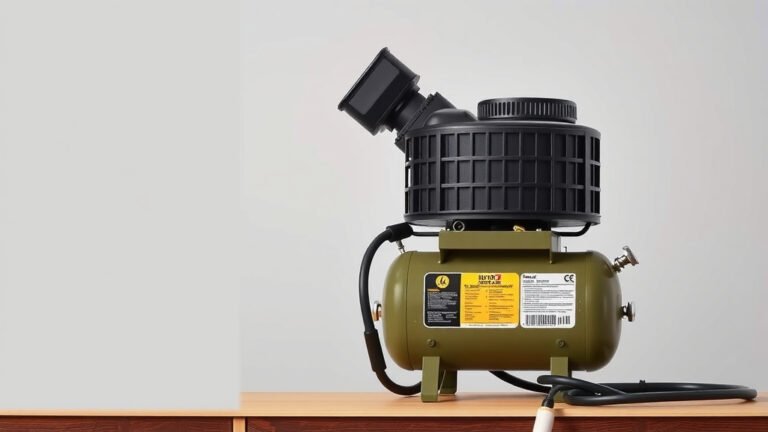
Air Compressor Safety Standards: Your Compliance Guide
Complying with air compressor safety standards is absolutely doable by focusing on proper maintenance, using appropriate safety gear, and understanding your machine’s operating limits. These steps help prevent accidents and ensure your compressor runs smoothly for years to come. You’ll want to make sure you’re familiar with the owner’s manual. It’s your first line of defense.
Ensuring air compressor safety involves more than just wearing safety glasses. It means regularly inspecting hoses and fittings for wear, checking oil levels, and ensuring the unit is placed in a well-ventilated area. We found that many common issues stem from simple neglect. Staying on top of these checks can save you a lot of headaches.
- Always wear safety glasses and hearing protection.
- Regularly inspect hoses, fittings, and the air receiver tank.
- Ensure proper ventilation to prevent overheating and fume buildup.
- Never exceed the compressor’s pressure rating.
- Keep the area around the compressor clean and free of debris.
Let’s walk through the key safety standards and practical steps you can take to keep yourself and your workspace safe when using an air compressor.
Meeting Air Compressor Safety Standards: Your Essential Guide
Complying with air compressor safety standards is not just about following rules. It’s about keeping yourself and everyone around you safe. Many common accidents are preventable. You can achieve this by focusing on a few key areas. Let’s break down how to make your air compressor a safe tool.
Understanding Your Air Compressor’s Limits
Every air compressor has a maximum operating pressure. It’s often listed on a metal tag or in your owner’s manual. You should never exceed this pressure rating. Over-pressurizing can lead to a catastrophic failure. This means the tank could rupture, causing serious injury or damage. Think of it like a balloon; overinflate it, and it pops!
Pressure Gauges and Relief Valves: Your First Line of Defense
Regularly check your compressor’s pressure gauge. Ensure it’s accurate and easy to read. The pressure relief valve is another critical component. It’s designed to release excess pressure automatically. Make sure it’s not blocked or damaged. If it seems faulty, replace it immediately. Many safety guidelines highlight the importance of these simple checks (OSHA).
Never Exceed the Horsepower Rating for Accessories
Just as important as the compressor’s pressure is the rating of the tools you connect. Using an air tool that requires more horsepower than your compressor can supply can strain the unit. This can lead to overheating. It can also reduce the tool’s effectiveness. Always match your tools to your compressor’s capabilities. You wouldn’t try to tow a large boat with a compact car, right?
Essential Safety Gear for Air Compressor Use
Using an air compressor involves potential hazards. Protecting yourself with the right gear is non-negotiable. It’s a fundamental part of complying with safety standards.
Eye Protection: Always Wear Safety Glasses
Compressed air can carry small debris at high speeds. Tiny particles can become projectiles. These can cause serious eye injuries. Always wear ANSI-approved safety glasses. Make sure they fit snugly. Consider wrap-around styles for better protection. You wouldn’t want a tiny piece of metal to put your eye out. It’s a risk that’s easily avoided.
Hearing Protection: Because It’s Loud!
Air compressors can be quite loud. Prolonged exposure to high noise levels can lead to permanent hearing loss. We found that many people underestimate the noise level. Wear earplugs or earmuffs whenever the compressor is running. This is especially important in enclosed spaces. Your future self will thank you for protecting your hearing.
Footwear and Gloves: Protecting Your Extremities
Sturdy, closed-toe shoes are a must. They protect your feet from falling objects or accidental impacts. Consider steel-toed boots if you’re working with heavy equipment. Gloves can protect your hands from sharp edges and provide a better grip. They also offer some protection against oil or other lubricants.
Regular Maintenance: The Key to Long-Term Safety
A well-maintained air compressor is a safe air compressor. Neglecting maintenance is a leading cause of accidents. You need to establish a routine.
Check Hoses and Fittings for Wear and Tear
Air hoses can become brittle, cracked, or develop leaks over time. Fittings can loosen or corrode. Inspect your hoses and fittings before each use. Look for any signs of damage. Replace any worn or damaged components immediately. A burst hose under pressure can be dangerous. You want to ensure all connections are secure and leak-free.
Oil Levels and Lubrication: Keep It Running Smoothly
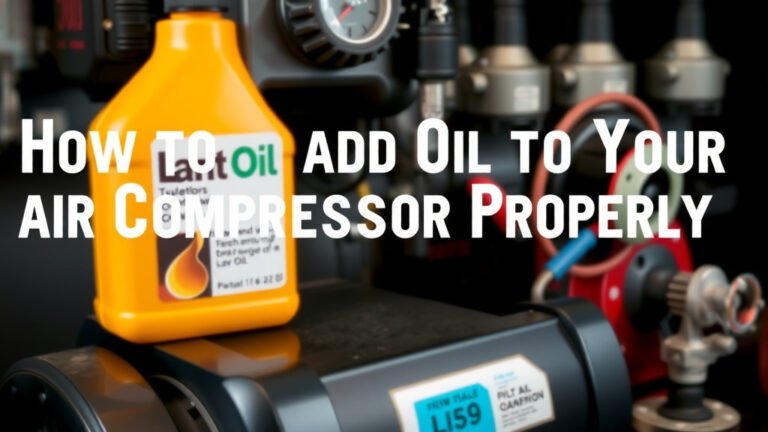
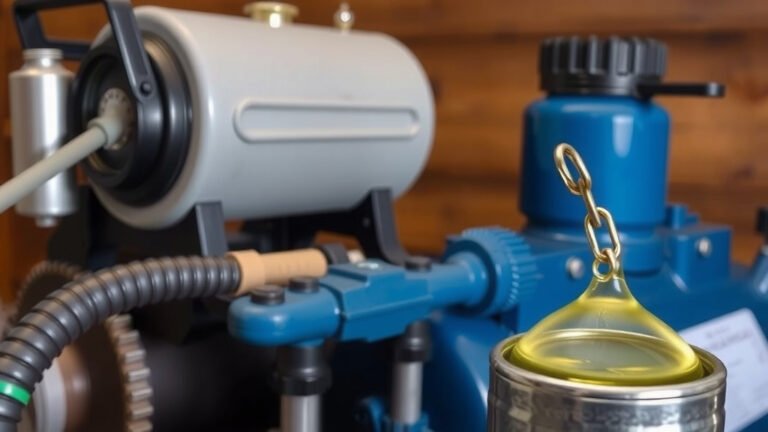
Most air compressors require oil to operate properly. Check the oil level regularly. Use the type of oil recommended by the manufacturer. Low oil levels can cause the compressor to overheat and seize. If your compressor is oil-free, ensure the motor and other moving parts are still lubricated as per the manual. We found that proper lubrication drastically extends equipment life.
Air Receiver Tank Inspection: Don’t Forget This Crucial Part
The air receiver tank stores the compressed air. It’s under constant pressure. Regularly inspect the tank for rust, corrosion, or damage. Many tanks have a drain valve at the bottom. You should drain any accumulated water or moisture regularly. This prevents internal corrosion. It also ensures the tank remains structurally sound. Always follow manufacturer guidelines for tank inspection intervals (ANSI).
Safe Operating Environment: Where You Use Your Compressor Matters
Where you place and operate your air compressor significantly impacts safety.
Ventilation: Keep It Cool and Clear
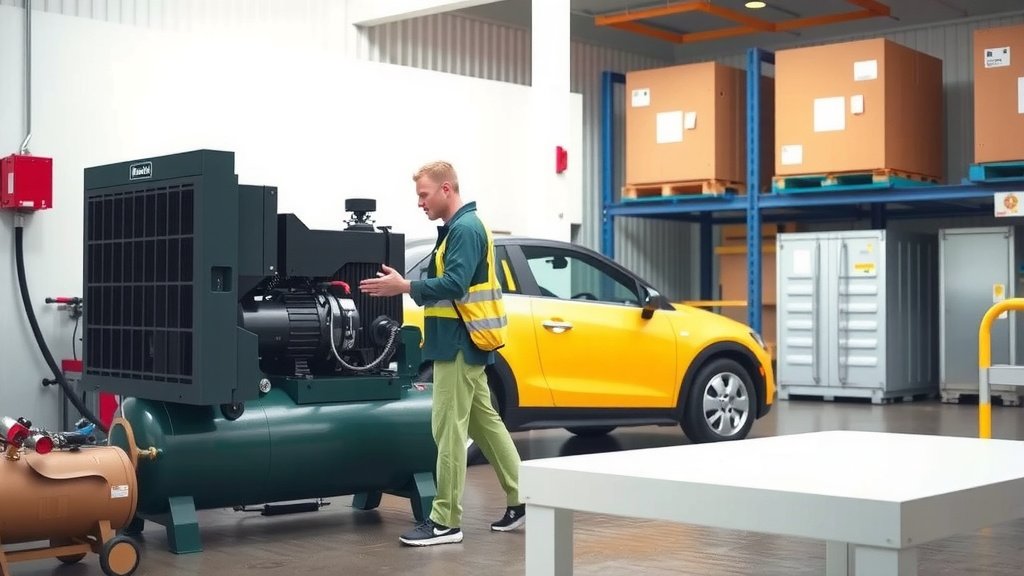
Air compressors generate heat. They also consume oxygen and can release fumes. Always operate your compressor in a well-ventilated area. This prevents overheating and the buildup of harmful gases. Avoid small, enclosed spaces where air cannot circulate freely. You want fresh air moving around the unit.
Cleanliness: Tidy Up Around the Compressor
Keep the area around your air compressor clean and free of clutter. Flammable materials, such as rags, solvents, or excess oil, should be stored away. A clean workspace reduces fire hazards. It also prevents debris from being sucked into the compressor’s intake, which can cause damage. A tidy space is a safer space.
Stable Surface: Prevent Tipping and Vibration
Ensure your air compressor is placed on a stable, level surface. This prevents it from tipping over, especially larger units. It also helps to minimize vibration, which can cause wear and tear. A secure base ensures the compressor operates as designed.
Your Air Compressor Safety Checklist
Here’s a quick checklist to keep you on track:
- Inspect hoses and fittings before every use.
- Wear safety glasses and hearing protection always.
- Check oil levels and the air receiver tank regularly.
- Ensure the operating area is well-ventilated and clean.
- Never exceed the compressor’s pressure or tool horsepower limits.
- Drain moisture from the air receiver tank as recommended.
Conclusion
You’ve learned that keeping your air compressor safe is all about paying attention to the details. By consistently checking your machine’s limits, using the correct safety gear, and performing regular maintenance, you significantly reduce risks. We found that a little bit of prevention goes a long way in avoiding accidents and ensuring your equipment lasts. Your next step is to schedule a quick inspection of your compressor and its accessories before your next project. This simple action puts safety first.
Frequently Asked Questions
How often should I drain the air receiver tank?
You should drain the air receiver tank regularly, ideally after each use or at least daily. This process removes accumulated moisture and prevents rust buildup inside the tank. Always refer to your owner’s manual for the manufacturer’s specific recommendations.
Can I use any air hose with my compressor?
No, you must use air hoses rated for the maximum pressure your compressor can produce. Also, ensure the fittings are compatible. Using an under-rated hose can lead to dangerous bursts under pressure. We found that mismatched hoses are a common point of failure.
What should I do if the pressure gauge seems inaccurate?
If your pressure gauge appears inaccurate, do not trust it for safety readings. Stop using the compressor and have the gauge inspected or replaced by a qualified technician. Accurate pressure readings are vital for staying within safe operating limits.
Is it safe to operate an air compressor indoors?
Operating an air compressor indoors is only safe if the area is extremely well-ventilated. Compressors consume oxygen and can produce harmful fumes. For most home or workshop use, it’s best to operate them in an open garage or outdoors to ensure adequate fresh air.
What kind of maintenance is required for oil-free compressors?
While oil-free compressors don’t need oil changes, they still require regular checks. You should still inspect hoses and fittings for wear, clean air filters, and check the tank. Some oil-free models have internal lubrication points that might need attention per the manual.