How Hot Should An Air Compressor Get? What’s Normal
Your air compressor is designed to get warm during operation, but not dangerously hot. A healthy operating temperature for most air compressors is typically between 160°F and 200°F. Anything significantly above this range could signal a problem you’ll want to address soon. We found that exceeding 200°F consistently can lead to reduced lifespan and potential damage.
Understanding your compressor’s normal heat levels is key to good maintenance. Too much heat can degrade the oil and even damage internal components. On the flip side, a compressor that runs too cool might not be performing at its best either. Paying attention to your compressor’s temperature gauge is a simple yet effective way to keep it running smoothly and efficiently for years to come.
- Air compressors get hot; it’s normal.
- Ideal temps are usually 160°F to 200°F.
- Overheating can harm your compressor.
- Too cool might mean it’s not working right.
- Watch the temperature gauge for clues.
Let’s dive into what those temperatures really mean and what you can do if yours seems a bit too toasty.
What’s a Normal Temperature for Your Air Compressor?
Your air compressor is built to work. And when it works, it generates heat. It’s a natural part of the compression process. So, seeing your compressor warm up is usually a good sign it’s doing its job. We found that most air compressors run comfortably between 160°F and 200°F.
Think of it like a car engine. It needs to reach a certain operating temperature to perform at its best. Too cold, and it might sputter. Too hot, and you risk serious damage. Your air compressor is no different. Staying within that 160°F to 200°F range means it’s likely happy and healthy.
Signs of an Overheating Air Compressor
So, what happens if your compressor gets too toasty? Ignoring these signs can be costly. Overheating can seriously shorten your compressor’s lifespan. It can also lead to unexpected breakdowns, which nobody wants.
What to Look for if It’s Too Hot
The most obvious sign is, of course, touching the compressor and feeling it’s excessively hot. But you shouldn’t rely solely on touch. Many compressors have built-in temperature gauges. Keep an eye on this gauge. If it consistently climbs above 200°F, that’s your cue to investigate. You might also notice a change in the smell of the air. Overheated oil can produce a burnt odor.
Another indicator could be a decrease in performance. If your compressor is struggling to build pressure or its output seems weaker than usual, heat could be the culprit. This happens because extreme heat can degrade the lubricating oil. The oil loses its ability to keep things running smoothly. This leads to increased friction and even more heat.
Potential Consequences of Overheating
What damage can excessive heat cause? It’s quite a list. For starters, the lubricating oil breaks down much faster. This can lead to increased wear and tear on vital parts like pistons, rings, and valves. Imagine running a car without enough oil – it’s a similar concept.
Beyond the oil, the heat itself can cause metal components to expand unevenly. This can lead to warping or even cracks in critical areas. Seals can also degrade quickly, leading to air leaks. We found that repeated overheating can eventually cause the motor to seize up completely.
When Your Compressor Runs Too Cool
While overheating is more commonly discussed, running too cool can also be an issue. Yes, your compressor should be warm, but not cold. If your compressor rarely seems to get above 100°F, it might not be reaching its optimal operating temperature.
Why a Cool Compressor Isn’t Always Good
A compressor that’s too cool might not be efficient. It can take longer to build pressure. This means it uses more energy than necessary. It’s like trying to cook with a stove that’s on too low a setting; it takes forever and wastes power.
We also found that in some cases, running too cool could indicate a problem with the thermostat or pressure switch. These components might not be functioning correctly, preventing the compressor from reaching its designed operating temperature. Or, it could be an indication that the compressor isn’t working hard enough to generate sufficient heat.
Factors Influencing Air Compressor Temperature
Several things can affect how hot your air compressor gets. Understanding these can help you manage its temperature better.
Ambient Temperature and Ventilation
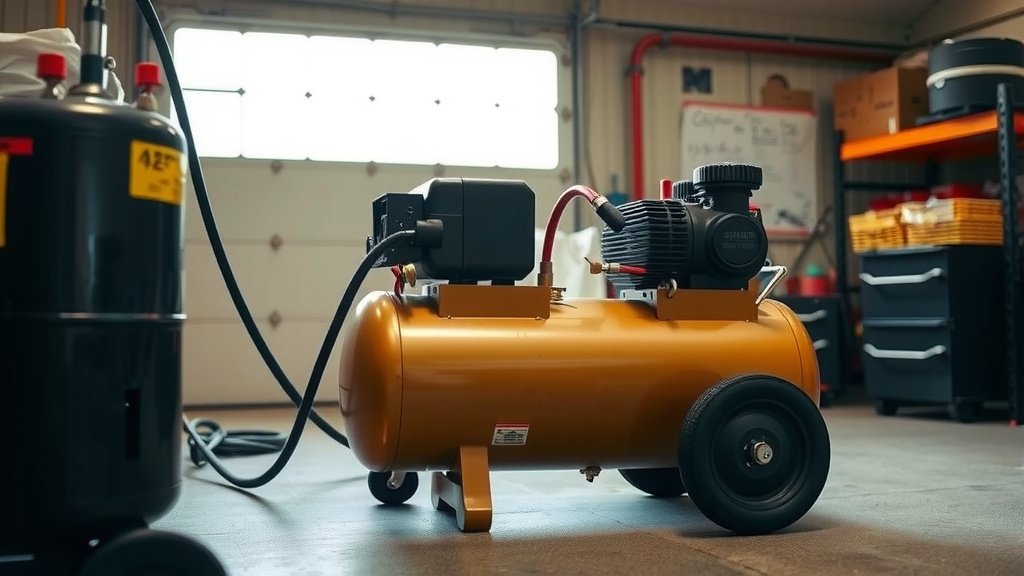
Where you operate your compressor matters. A compressor running in a hot, stuffy garage will naturally get hotter than one in a cool, well-ventilated workshop. Poor ventilation is a major contributor to overheating. The heat generated needs a place to dissipate.
Make sure your compressor has plenty of space around it. Obstructions can trap heat. We found that ensuring at least 12-18 inches of clear space around the unit helps a lot. If you’re using it in a confined space, consider a ventilation fan.
Duty Cycle and Runtime
How often and how long you use your compressor plays a role. A compressor designed for intermittent use will get hotter if run continuously. This is its duty cycle. Pushing it beyond its rated duty cycle is a common cause of overheating.
Check your compressor’s manual for its duty cycle. For example, a 50% duty cycle means it should only run for 5 minutes out of every 10. If you need to run it for longer periods, you might need a compressor with a higher duty cycle or allow for cool-down periods.
Oil Level and Quality
For oil-lubricated compressors, the oil is key. If the oil level is too low, there isn’t enough lubrication. This increases friction and heat. Old, dirty oil also loses its effectiveness. It can’t cool and lubricate as well as fresh oil.
Regular oil changes are essential. The type of oil also matters. Always use the oil recommended by the manufacturer. We found that using the wrong type of oil can lead to improper lubrication and premature wear.
Troubleshooting Common Temperature Issues
If you notice your compressor running hotter or cooler than it should, don’t panic. Often, the fix is straightforward.
Checking and Maintaining Your Compressor
Here’s a quick checklist to keep your compressor running at its ideal temperature:
- Ensure good air circulation around the unit.
- Check and clean air filters regularly.
- Monitor oil levels and quality for lubricated models.
- Follow the recommended duty cycle for your compressor.
- Listen for unusual noises that might indicate increased friction.
- Inspect cooling fins for dust or debris buildup.
We found that consistent maintenance is the best defense against temperature-related problems. A little attention goes a long way in keeping your compressor healthy.
Conclusion
Keeping your air compressor within its ideal temperature range is vital for its longevity and performance. Remember, a healthy operating temperature usually falls between 160°F and 200°F. Consistently exceeding this can lead to serious damage, while running too cool might indicate inefficiency. You’ve learned about the signs of both overheating and under-cooling, as well as the factors like ventilation and duty cycle that influence temperature.
The best next step for you is to regularly check your compressor’s temperature gauge and perform routine maintenance. By paying attention to these details, you ensure your air compressor serves you reliably for years to come.
Frequently Asked Questions
How can I tell if my air compressor is overheating without a gauge?
If your air compressor lacks a temperature gauge, rely on your senses cautiously. You might notice an unusually strong, burnt smell from the oil. The unit itself could feel excessively hot to the touch, even after a short run time. Listen for any new, strained noises, which can indicate increased friction from overheating components.
Is it bad if my air compressor never gets very hot?
Yes, it can be. An air compressor that consistently runs too cool, perhaps staying below 100°F, might not be operating efficiently. This could mean it’s taking longer to build pressure and is using more electricity than necessary. It might also signal a malfunctioning thermostat or pressure switch.
How often should I check my air compressor’s temperature?
You should check your air compressor’s temperature gauge periodically during use, especially if you’re running it for extended periods or in warm conditions. Make it a habit to glance at the gauge every 15-20 minutes during operation. This helps you catch any unusual spikes before they cause damage.
Can a dirty air filter affect my compressor’s temperature?
Absolutely. A clogged air filter restricts airflow, making the compressor work harder to draw in air. This increased workload generates more heat. Keeping your air filters clean is a simple maintenance step that can significantly help prevent overheating and maintain optimal performance.
What kind of oil should I use to prevent overheating?
Always use the specific type of compressor oil recommended by your air compressor’s manufacturer. Using the wrong oil, or oil of poor quality, can lead to inadequate lubrication and increased friction. This friction generates excess heat, which can degrade the oil faster and damage internal components.