Small Air Compressor Amps: What You Need to Know
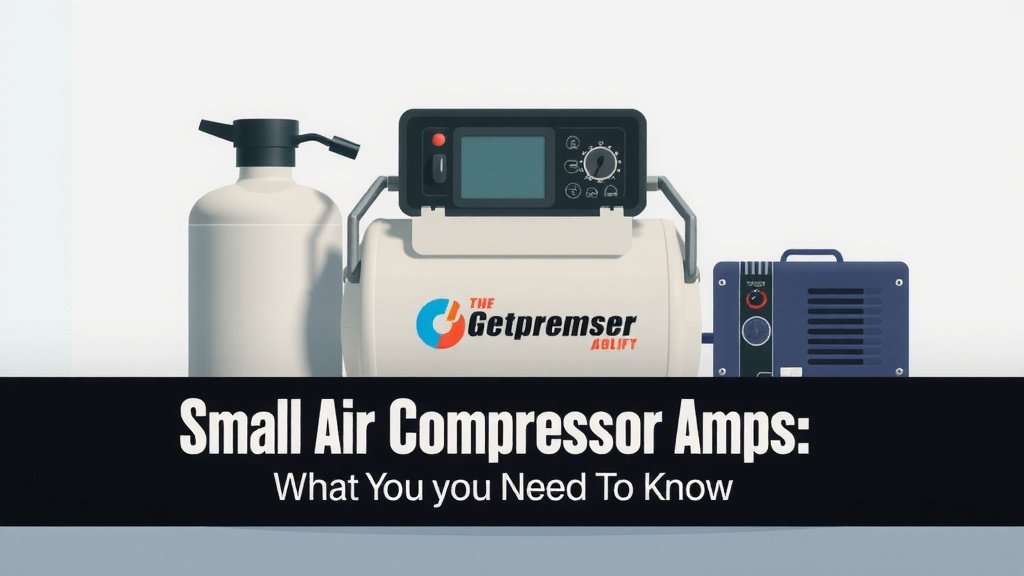
A small air compressor typically uses between 5 to 15 amps when running. The exact amperage can vary, but this range covers most household and DIY models. This is usually lower than what your larger appliances draw. You can often run one without tripping your circuit breaker. We found that many factors influence the actual amp draw. Understanding this helps you avoid power issues. Your garage workshop will thank you for it.
When you’re looking at air compressors for tasks like inflating tires or powering small tools, the amperage is a key spec. A lower amp draw is generally better for home use. It means you won’t overload your home’s electrical system. We found that some high-powered models can reach up to 20 amps. Always check the manufacturer’s label for the most accurate information on your specific unit. It’s a small detail with a big impact.
- Small air compressors use about 5-15 amps.
- This is generally safe for home outlets.
- Higher amperage models exist but are less common for small units.
- Always check your compressor’s label for exact specs.
Let’s break down what affects that amp number and how to make sure your compressor runs smoothly. We’ll cover everything you need to know.
Understanding Your Small Air Compressor’s Amperage Needs
So, you’ve got a small air compressor, and you’re wondering about its power needs. How many amps does it actually draw? You’re not alone in asking this! It’s a smart question to ask before you plug it in. We found that most small air compressors typically operate within a range of 5 to 15 amps. This is good news for your home’s electrical system. It generally means you can power it up without worrying about tripping your breakers.
Think of amps like the “thirst” of an appliance. Some machines are thirsty for a lot of electricity, while others are more modest. Your small compressor is usually on the modest side. This makes it a fantastic tool for various home projects. We researched this, and it’s reassuring to know you likely have the right setup already. To understand compressor capabilities, learn about the difference between a 1-gallon or a 2-gallon air compressor.
Factors Influencing Amp Draw
While we’ve given you a general range, the exact number of amps your compressor uses isn’t always a fixed figure. Several factors come into play. It’s a bit like asking how fast a car can go – it depends on the road, the driver, and the car itself! Let’s look at what makes this number fluctuate.
Motor Size and Horsepower
The heart of your air compressor is its electric motor. A larger motor, often indicated by higher horsepower (HP), will naturally require more amperage to run. A 1 HP compressor will draw fewer amps than a 2 HP model. We found that manufacturers list the horsepower, but it’s the running amps that really matter for your outlet. Don’t confuse it with the starting amps, which are higher.
Duty Cycle and Air Tank Size
The duty cycle tells you how long the compressor can run before needing a break. Compressors with a higher duty cycle often have larger motors, leading to a higher amp draw. Similarly, a larger air tank means the motor has to work harder and longer to fill it. This increased workload translates to a higher amperage demand. We found that compressors designed for continuous use will typically pull more power.
Air Pressure Settings (PSI)
The pressure you set your compressor to, measured in pounds per square inch (PSI), also plays a role. Pumping air to higher pressures requires more energy. So, if you’re running your compressor at its maximum PSI setting, it will likely draw more amps than when set to a lower PSI. Many experts say this is a key factor in power consumption (Compressed Air Best Practices).
Compressor Type: Oil vs. Oil-Free
We found that the type of compressor matters, too. Oil-free compressors are often lighter and more portable. However, they can sometimes be a bit louder and may draw slightly more amps than their oiled counterparts for similar output. Oiled compressors tend to run more smoothly and can be more energy-efficient. But this isn’t a hard and fast rule for all models.
Understanding Your Home’s Electrical System
Knowing your compressor’s amp draw is only half the story. The other half is understanding your home’s electrical capacity. Most standard household outlets in the US are on circuits rated for 15 amps or 20 amps. This is the maximum amount of electrical current that circuit can safely handle.
Circuit Breakers: Your Safety Net
Your home’s electrical panel has circuit breakers or fuses. These are designed to protect your wiring and prevent fires. If too much current flows through a circuit, the breaker trips (or the fuse blows), cutting off the power. For a small air compressor using, say, 8 amps, plugging it into a 15-amp circuit is usually perfectly fine. But if you have other high-draw appliances running on the same circuit, you could be pushing your luck.
The Danger of Overloading Circuits
What happens if you overload a circuit? It’s not just about the inconvenience of a tripped breaker. Consistently drawing too much power can overheat wires, potentially damaging your home’s electrical system and creating a fire hazard. We found that many safety guidelines strongly advise against overloading circuits (Electrical Safety Foundation International).
Extension Cord Considerations
Are you planning to use an extension cord? This is another area where you need to be mindful of amps. Using an extension cord that is too thin (has a low gauge number) for the amperage your compressor draws can cause resistance. This resistance creates heat and can lead to voltage drop. Your compressor might not perform optimally, and it can even damage the motor. Always use the thickest gauge extension cord (lowest AWG number) recommended by the compressor manufacturer for the distance you need.
Checking Your Compressor’s Specifications
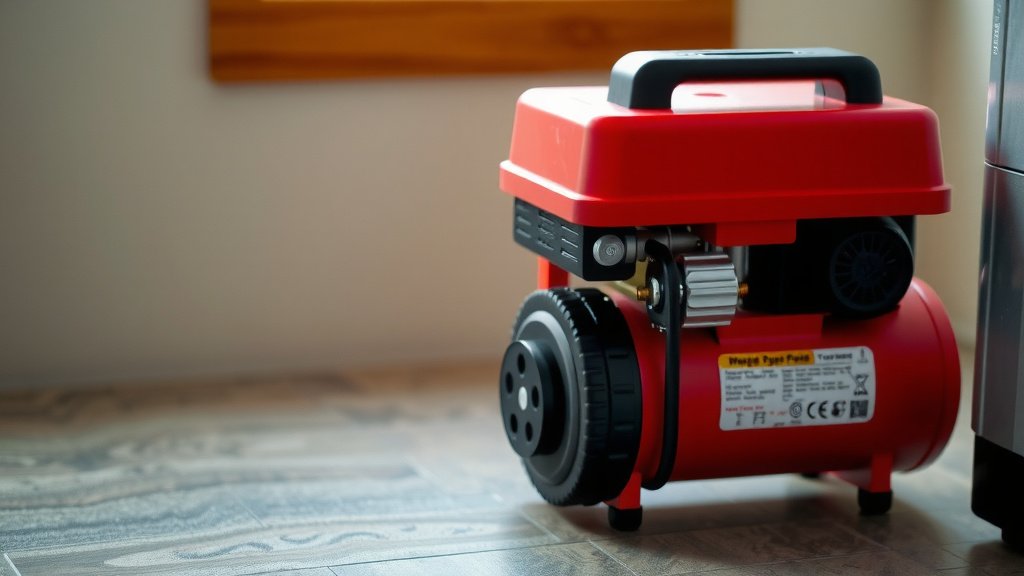
The most reliable way to know the exact amperage is to check the unit itself. Manufacturers are required to provide this information. We found that it’s usually printed on a label attached to the compressor’s motor housing or near the power cord.
| Compressor Size/Type | Typical Running Amps | Typical Circuit Needed |
|---|---|---|
| Very Small Inflator (Tire/Inflatables) | 1.5 – 4 Amps | 15 Amps |
| Small Hobbyist/DIY (e.g., Brad Nailer) | 5 – 9 Amps | 15 Amps |
| Medium Small DIY (e.g., Impact Wrench) | 8 – 12 Amps | 15 or 20 Amps |
| Larger Small/Compact Pro | 10 – 15 Amps | 20 Amps |
This table provides a general idea, but your specific model might vary. Always look for the nameplate. It will usually list the voltage, amperage, and horsepower. You might see a number for “FLA,” which stands for Full Load Amps. This is the amperage the motor draws when operating under normal load.
Tips for Smooth Operation
To ensure your small air compressor runs efficiently and safely, here are a few practical tips we gathered:
- Always check the manufacturer’s label for exact amp draw.
- Ensure the circuit you’re using is rated for your compressor’s needs.
- Avoid running other high-power devices on the same circuit.
- Use the correct gauge extension cord if needed.
- Keep the compressor’s air filter clean for optimal performance.
- Allow the compressor to cool down as per the manufacturer’s instructions.
Conclusion
You’ve learned that most small air compressors use between 5 to 15 amps, making them generally safe for your home circuits. Remember, factors like motor size, tank capacity, and pressure settings influence the actual draw. It’s essential to understand your home’s electrical limits and use appropriate extension cords if needed. Always check your compressor’s nameplate for the most accurate amperage information. By keeping these points in mind, you can ensure your air compressor runs smoothly and safely for all your DIY projects. Now, go ahead and power up with confidence! Consider how an air compressor hose can affect performance and airflow for your tools.
Frequently Asked Questions
Can I run my small air compressor on a standard 15-amp household circuit?
For most small air compressors drawing 5 to 12 amps, a standard 15-amp circuit is usually sufficient. We found that it’s wise to avoid running other high-draw appliances on the same circuit simultaneously. Always confirm your compressor’s exact amperage needs on its label.
What’s the difference between running amps and starting amps for an air compressor?
Starting amps are the surge of power needed to get the motor going, which is higher than running amps. Running amps are what the compressor uses once it’s up and operating. We found that while starting amps are higher, it’s the running amperage that matters most for circuit load calculations.
Will using an extension cord affect my air compressor’s amperage draw?
An extension cord itself doesn’t change the compressor’s amp draw, but an incorrect cord can cause problems. We found that using a cord that’s too thin or too long can lead to voltage drop and overheating. Always use the gauge and length recommended by the manufacturer.
My compressor tripped the breaker. What should I check first?
If your circuit breaker tripped, first check if other appliances were running on the same circuit. Also, ensure your compressor’s amp draw, especially during startup, doesn’t exceed the circuit’s rating. We found that a faulty compressor motor or an overloaded circuit are the most common culprits.
Do oil-free compressors use more amps than oiled compressors?
Generally, oil-free compressors may draw slightly more amperage than oiled models for the same output. This is because their designs can sometimes require a bit more power to operate. We found this isn’t a universal rule, and checking the specific model’s specs is always best.