Air Compressor Explosion Frequency: How Often Do They Occur
Air compressors exploding is extremely rare, but it can happen. While the risk is very low, understanding potential causes is key to ensuring your safety. It’s not something you should lose sleep over, but a little awareness goes a long way.
Most modern air compressors have built-in safety features to prevent over-pressurization. When explosions do occur, they’re usually linked to severe neglect or improper modification. Think of it like driving – accidents happen, but they are infrequent with proper care.
- Explosions are very uncommon with modern compressors.
- Safety features are designed to prevent dangerous over-pressurization.
- Key risks involve extreme neglect or unauthorized tampering.
- Regular maintenance drastically lowers any potential risk.
Let’s walk through why this is the case and what you can do to keep your air compressor safe and sound.
Understanding Air Compressor Explosion Risks
So, how often do air compressors really explode? The short answer is: very, very rarely. We’re talking about a phenomenon that happens so infrequently that you’re far more likely to win the lottery or get struck by lightning.
Modern air compressors are built with safety as a top priority. Manufacturers understand the potential dangers. They engineer these machines with numerous safeguards. These features are designed to prevent the kinds of catastrophic failures that could lead to an explosion. So, while the concept might sound scary, the actual likelihood is incredibly low for most users.
Why the Low Risk? Modern Safety Features
You might be wondering what makes today’s compressors so safe. It all comes down to smart engineering and built-in protections. Think of them as little guardians watching over your compressor.
Pressure Relief Valves: Your First Line of Defense
The most common and critical safety feature is the pressure relief valve. This little guy is like a safety valve on a steam engine. If the air pressure inside the tank gets too high, this valve automatically opens. It releases the excess pressure safely into the air. This prevents the tank from being over-pressurized beyond its safe limits. It’s a simple yet highly effective mechanism.
Pressure Switches: Keeping Things in Check
Another key component is the pressure switch. This device monitors the pressure inside the tank. When the pressure reaches a set point, the switch tells the compressor motor to shut off. This stops more air from being pumped into the tank. It ensures the pressure stays within a safe operating range. Once the pressure drops a bit, the switch allows the motor to turn back on.
Tank Integrity and Design
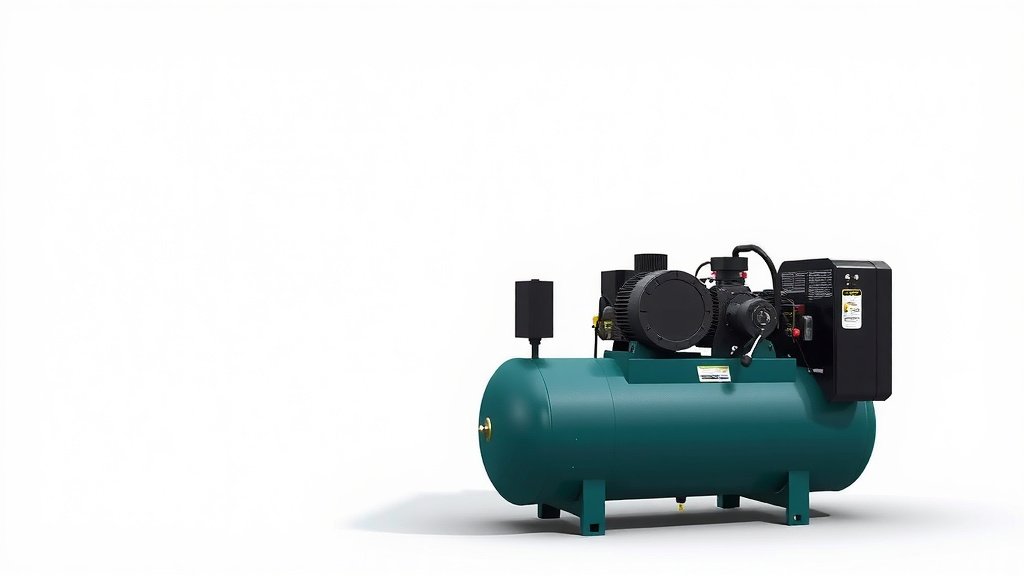
Air compressor tanks are specifically designed and tested to withstand significant pressure. They are made from robust materials. They undergo rigorous testing to ensure they can handle the intended operating pressures with a large margin of safety. Reputable manufacturers adhere to strict industry standards for tank construction. This structural integrity is fundamental to their safe operation.
When Things Go Wrong: The Rare Causes of Failure
Even with all these safety features, a tiny percentage of air compressor incidents still happen. When they do, it’s almost always due to external factors or a severe lack of care. It’s rarely a spontaneous failure of a well-maintained machine.
Severe Neglect and Poor Maintenance
This is the big one. If you completely ignore your air compressor, problems can arise. Forgetting to drain the tank regularly is a common oversight. Water can build up inside the tank. This moisture can lead to corrosion and rust over time. Rust can weaken the metal of the tank, making it less able to withstand pressure. It’s like leaving an old, rusty can out in the rain – eventually, it’s going to give way.
Damage or Tampering with Safety Devices
Sometimes, safety features can be disabled or tampered with. This might happen if someone tries to increase the maximum pressure output without understanding the risks. Or perhaps a component is damaged and not repaired. If you bypass or break a pressure relief valve, that safety net is gone. This is a highly dangerous practice. It removes the primary protection against over-pressurization.
Using the Wrong Type of Tank or Modifications
Another uncommon cause is using a tank not designed for compressed air. For example, using a propane tank or other repurposed container is a big no-no. These are not built to withstand the pressures involved in air compression. They can fail catastrophically. Also, making unauthorized modifications to the compressor system itself can be risky. Stick to the manufacturer’s design. Anything else is a gamble.
How to Drastically Reduce Your Personal Risk
The good news is that keeping your air compressor safe is pretty straightforward. You don’t need to be an engineer. Just a few simple steps make a world of difference. It’s all about responsible ownership.
Regular Draining is Key
Make it a habit to drain your air compressor tank at the end of each use, or at least weekly. Open the drain valve at the bottom of the tank to let out any accumulated water. This prevents rust and corrosion from weakening the tank over time. It’s like giving your compressor a quick shower to keep it healthy.
Listen and Look for Problems
Pay attention to how your compressor sounds and looks. Are there any strange noises? Is there excessive vibration? Are there any visible signs of damage or leaks? Catching these small issues early can prevent bigger problems down the line. Regular visual inspections are your friend.
Don’t Mess with the Settings
Resist the urge to adjust the pressure settings beyond what the manufacturer recommends. If you need higher pressure, you likely need a different compressor. Tampering with safety devices is incredibly risky and voids warranties. Keep everything as the factory intended.
Follow the Manual
Seriously, the owner’s manual is there for a reason. It contains all the specific maintenance requirements and safety guidelines for your model. Reading it and following its advice is the best way to ensure safe operation. If you can’t find it, most manufacturers have them available online.
When to Call a Professional
If you notice any serious issues, like a hissing sound from the tank itself, significant rust, or if safety valves seem stuck, don’t try to fix it yourself. It’s time to call in a qualified technician. They have the expertise and tools to diagnose and repair problems safely. Trying to DIY major repairs on a pressure vessel is a risky business. For anything beyond routine maintenance, professional help is your safest bet.
Quick Safety Checklist for Your Air Compressor
- Drain the tank regularly to remove moisture.
- Inspect the tank and hoses for any signs of damage.
- Ensure pressure relief valves are clear and functional.
- Listen for unusual noises during operation.
- Never tamper with factory-set pressure or safety devices.
- Store your compressor in a clean, dry environment.
Conclusion
Exploding air compressors are incredibly rare. Modern compressors have excellent safety features to prevent this. Your biggest protection comes from responsible use and regular maintenance. Draining the tank and checking for damage are simple steps. They drastically reduce any potential risk. By following basic care guidelines, you can ensure your air compressor remains a safe and reliable tool for years to come. Make it a habit to check your compressor before each use to stay safe.
Frequently Asked Questions
Are older air compressors more likely to explode than newer ones?
Yes, older compressors can pose a slightly higher risk. They may lack the advanced safety features found in newer models. Additionally, wear and tear over time can compromise tank integrity if not properly maintained.
Can a small DIY air compressor explode?
Even small, portable air compressors are designed with safety in mind. Explosions are still extremely unlikely. The risk increases if you bypass safety valves or neglect routine draining, leading to internal damage.
What happens if an air compressor tank ruptures?
A rupture, which is what happens before an explosion, releases the stored air pressure suddenly. This can cause significant damage to the compressor itself and the surrounding area. It could also potentially injure anyone nearby.
Is it safe to use an air compressor with a dented tank?
You should never use an air compressor with a visibly dented tank. Dents indicate potential structural weakness. This compromise could make the tank more susceptible to failure under pressure.
How often should I professionally inspect my air compressor?
While routine maintenance like draining is up to you, a professional inspection every few years is a good idea. This is especially true for older units or those used heavily. A technician can spot issues you might miss.