Air Compressor Size for Paint Gun: What You Need to Know
Choosing the right air compressor for your paint gun depends on the CFM (cubic feet per minute) your sprayer needs. Generally, look for a compressor that outputs at least 1.5 to 2 times the CFM your paint gun requires. This ensures consistent airflow without the compressor constantly running. Not having enough CFM is a common frustration for DIY painters.
A compressor that’s too small will struggle to keep up. This can lead to choppy paint jobs and longer project times. We found that matching your compressor’s CFM to your paint gun’s demand is key for professional-looking results. Think of it as giving your paint gun enough breath to do its best work. Pay close attention to the PSI (pounds per square inch) too, but CFM is usually the primary factor.
- Your paint gun’s CFM needs are the most important factor.
- Aim for a compressor with 1.5 to 2 times your gun’s CFM requirement.
- A compressor that’s too small causes inconsistent paint flow.
- Don’t forget to check your paint gun’s PSI needs as well.
- Matching these specs leads to better paint job outcomes.
Let’s break down how to figure out exactly what size air compressor you’ll need for your paint gun, so you can stop worrying and start painting!
Choosing the Right Air Compressor for Your Paint Sprayer
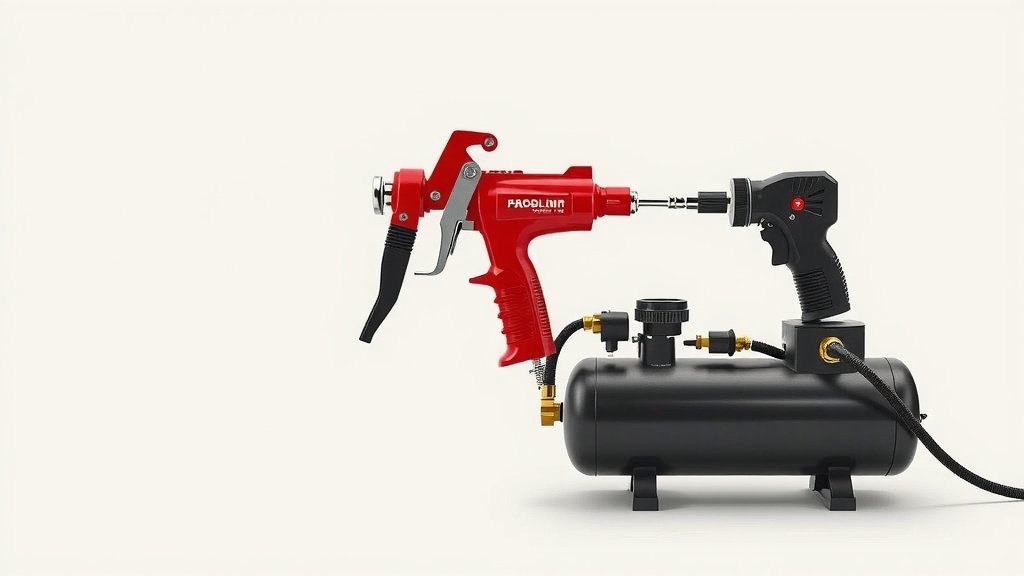
Finding the correct air compressor for your paint gun is simpler than you might think. It boils down to matching the air output of the compressor to the air demand of your paint sprayer. This ensures a smooth, consistent flow of paint for a professional finish every time.
Understanding CFM: The Real Key to Compressor Power
When you look at air compressor specifications, you’ll see two main numbers: PSI and CFM. PSI (pounds per square inch) tells you about the air pressure. Your paint gun will have a recommended PSI range, and you’ll need a compressor that can meet it. But the most critical factor for running a paint gun is CFM (cubic feet per minute).
CFM measures the volume of air a compressor can deliver. Think of it like the width of a hose. A wider hose can deliver more water at once. Similarly, a higher CFM compressor delivers more air. Your paint gun uses this air to atomize the paint and push it out. If the CFM is too low, your paint gun won’t get enough air. This can lead to sputtering, uneven paint coats, and a frustrating experience.
How Much CFM Does Your Paint Gun Actually Need?
The first step is to identify the CFM requirement of your specific paint gun. This information is usually found in the manufacturer’s manual or on their website. It’s often listed as a range, for example, “4-8 CFM.” Paint guns vary greatly. A small touch-up gun will need much less air than a large HVLP (High Volume, Low Pressure) sprayer used for cars.
You might see CFM listed at a specific PSI, like “6 CFM @ 90 PSI.” Always pay attention to this PSI value. It’s important because air volume can change with pressure. Most paint guns operate effectively in the 40-70 PSI range, but always check your tool’s specifications.
The “1.5 to 2 Times” Rule of Thumb
Here’s where we bring it all together. To ensure your compressor can keep up without working itself to death, you need to choose one with a CFM rating higher than your paint gun’s minimum requirement. A widely accepted guideline is to select a compressor that provides at least 1.5 to 2 times the CFM your paint gun needs.
Why this buffer? Several reasons. First, compressor ratings are often optimistic. The actual output might be slightly lower. Second, the compressor needs to run efficiently. If it’s constantly at its maximum output, it will overheat and wear out faster. A buffer allows the compressor to cycle less, run cooler, and last longer. It also ensures a more consistent air supply, which is vital for a flawless paint finish. Many DIYers overlook this and end up with compressors that are just too small.
Calculating Your Compressor Needs
Let’s do a quick example. Suppose your paint gun requires 6 CFM at 40 PSI. To find your ideal compressor, you’ll multiply that 6 CFM by 1.5 and 2.
- Low end: 6 CFM * 1.5 = 9 CFM
- High end: 6 CFM * 2 = 12 CFM
So, you would be looking for an air compressor that delivers at least 9 to 12 CFM at the recommended operating pressure (40 PSI in this case). This range gives you a good target. Going slightly higher is generally better than going too low.
Understanding Compressor Tank Size and Horsepower
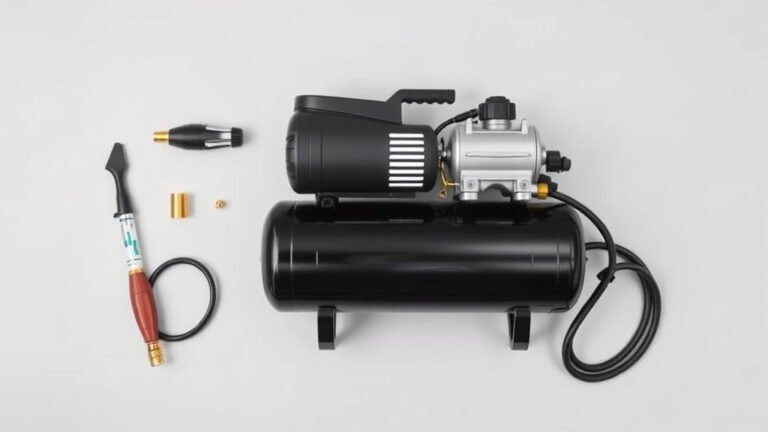
While CFM is king for paint guns, tank size and horsepower still play important roles. They affect how long you can spray and how quickly the compressor recovers. These factors are often linked to the CFM output.
Tank Size: How Much Air Can It Hold?
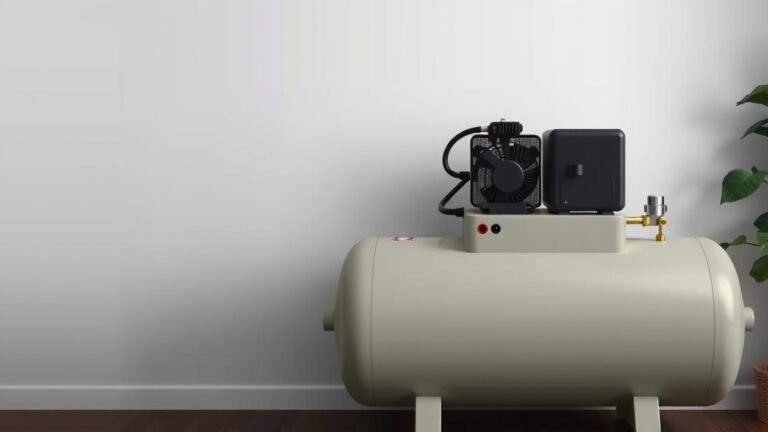
The tank is like an air reservoir. A larger tank means the compressor can store more compressed air. This is beneficial because it allows you to spray for longer periods before the compressor needs to kick on and refill the tank. For painting, especially larger projects, a bigger tank is usually better.
A small tank (e.g., 1-6 gallons) might work for quick touch-ups but will cycle on and off frequently when painting. This can lead to fluctuating air pressure. For most painting jobs, you’ll want a tank size of A small tank (e.g., 1-6 gallons) might work for quick touch-ups but will cycle on and off frequently when painting.20 gallons or larger. This provides a more stable air supply and longer run times between compressor cycles. Think of it as having a bigger buffer of air ready to go.
Horsepower: The Engine Behind the Air
Horsepower (HP) is often advertised prominently on compressors. While it’s an indicator of power, it’s not the direct measure of air delivery. A higher HP motor can drive the pump more effectively to produce higher CFM and PSI.
However, don’t get fixated solely on HP. A 3 HP compressor with poor engineering might deliver less air than a well-designed 2 HP unit. Always prioritize the CFM rating at the required PSI. Generally, for painting applications requiring decent CFM, you’ll be looking at compressors in the 2 to 5 HP range.
Compressor Types: What to Consider
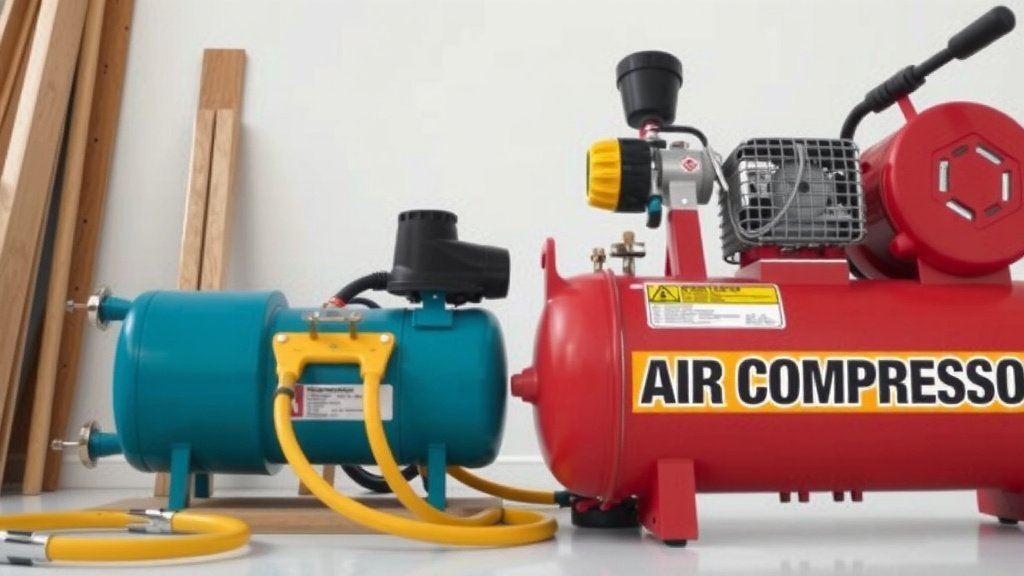
There are two main types of compressors to consider for painting: oil-lubricated and oil-free.
- Oil-lubricated compressors are typically more durable and quieter. They often provide better CFM for their size and are preferred for frequent or heavy-duty use, like professional auto body shops. The oil does require regular maintenance.
- Oil-free compressors are lighter, require less maintenance, and are generally less expensive. However, they can be louder and may not deliver as much CFM as an oil-lubed model of similar size. They are great for DIYers and occasional use.
For painting, it’s often recommended to use an oil-lubricated compressor to ensure the purest air quality. Oil in the air stream can contaminate your paint job. You’ll likely need an air filter and water separator regardless of compressor type, especially if you choose an oil-lubricated model.
Putting It All Together: Your Painting Compressor Checklist
Selecting the right air compressor might seem daunting, but it’s about understanding a few key numbers. By focusing on your paint gun’s needs, you can make an informed decision.
Key Specs to Look For
When you’re shopping for an air compressor for your paint gun, keep these points in mind:
| Feature | What to Look For | Why It Matters |
|---|---|---|
| CFM (Airflow) | 1.5 to 2 times your paint gun’s requirement at its operating PSI. | Ensures consistent air supply for smooth, even paint application. |
| PSI (Pressure) | Meets or exceeds your paint gun’s recommended operating PSI. | Delivers the correct atomization and spray pattern. |
| Tank Size | 20 gallons or larger for most painting projects. | Provides longer spray times and a more stable air supply. |
| Horsepower (HP) | 2 HP and up, but prioritize CFM over HP alone. | Indicates the motor’s power to drive the pump efficiently. |
| Type | Oil-lubricated for durability/performance; Oil-free for lower maintenance. | Affects longevity, noise level, and air quality. |
Quick Air Compressor Shopping Checklist
Here’s a simple checklist to help you navigate your purchase:
- Confirm your paint gun’s required CFM and PSI.
- Multiply that CFM by 1.5 to 2 for your target compressor CFM.
- Check the compressor’s actual CFM output at your target PSI.
- Look for a tank size of 20 gallons or more.
- Consider if an oil-lubed or oil-free model better suits your needs.
- Remember to budget for an air filter and water separator!
By following these guidelines, you’ll be well on your way to finding an air compressor that makes your painting projects much more successful and enjoyable. No more frustrating paint jobs!
Conclusion
You’ve learned that matching your air compressor’s CFM to your paint gun’s needs is the most important step for a smooth paint job. Remember to look for a compressor that provides 1.5 to 2 times the CFM your sprayer requires. This buffer ensures consistent airflow and helps your compressor last longer. Tank size and horsepower matter too, but CFM is your primary guide. By focusing on these specs and using our checklist, you’re ready to pick the right compressor. Now you can confidently tackle your painting projects and achieve those professional-looking results you’re aiming for!
Frequently Asked Questions
What happens if my air compressor’s CFM is too low for my paint gun?
If your compressor’s CFM output is lower than your paint gun needs, you’ll likely experience sputtering paint and an inconsistent spray pattern. The compressor will struggle to keep up, leading to frustrating interruptions and a poor finish on your project. It’s essential to have enough airflow to atomize paint effectively.
Can I use a smaller air compressor for small touch-up painting jobs?
Yes, for very small touch-up jobs or airbrushing, a smaller compressor with a lower CFM output might suffice. Always check your specific tool’s requirements. Even for small tasks, ensuring you have at least 1.5 times the required CFM will still give you a better, more consistent result.
Do I need an air filter and water separator even with an oil-free compressor?
Yes, it’s highly recommended to use an air filter and water separator regardless of your compressor type. Even oil-free compressors can introduce moisture into the air line, which can ruin a paint finish. These accessories ensure cleaner, drier air for a flawless application.
How much does a good air compressor for painting typically cost?
Prices can vary widely based on brand, size, and features. For a quality compressor suitable for most DIY painting projects, you can generally expect to spend anywhere from $300 to $800. Professional-grade units will naturally cost more.
Is a higher horsepower compressor always better for painting?
Not necessarily. While higher horsepower (HP) can indicate more power, the CFM output at your paint gun’s required PSI is the most critical specification. A well-engineered compressor with lower HP might outperform a poorly designed one with higher HP in terms of delivering usable airflow for painting.