Air Cooled vs Water Cooled Air Compressor: Which is Best
Choosing between an air-cooled and water-cooled air compressor depends on your specific needs. Air-cooled compressors are generally more common for smaller, portable applications due to their simplicity and lower initial cost. Water-cooled compressors are better suited for heavy-duty industrial use where continuous operation and higher efficiency are paramount.
Think of it like this: an air-cooled unit uses the surrounding air to dissipate heat, much like a car’s radiator. A water-cooled unit uses a steady flow of water for much more efficient cooling. This difference impacts everything from installation and maintenance to operating costs and the overall performance in your workspace.
- Air-cooled is simpler and cheaper upfront.
- Water-cooled offers better cooling for demanding tasks.
- Consider your usage: occasional vs. continuous.
- Think about installation space and water availability.
- Maintenance needs differ between the two types.
Let’s break down the key differences so you can decide which type is the best fit for your workshop or industrial setting.
Understanding Air vs. Water Cooling for Compressors
So, you’re looking to get a new air compressor, and you’ve noticed there are two main cooling methods: air-cooled and water-cooled. It’s a big decision that affects how your compressor runs, how long it lasts, and even how much it costs to operate. We’ve researched this, and it boils down to a few key differences. Let’s dive in and make sense of it all.
How Air-Cooled Compressors Work
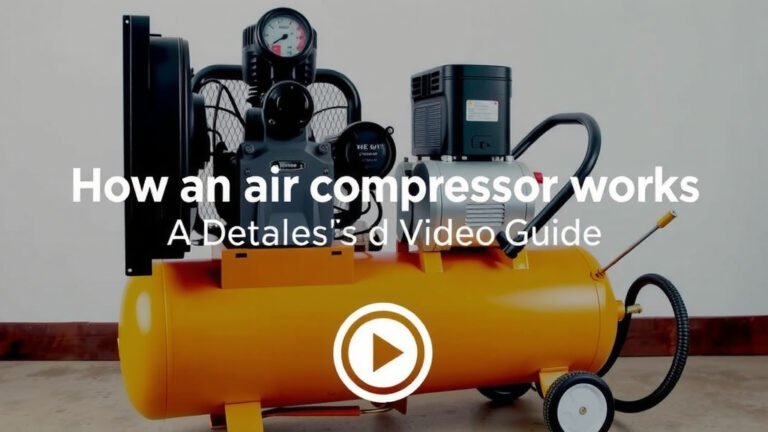
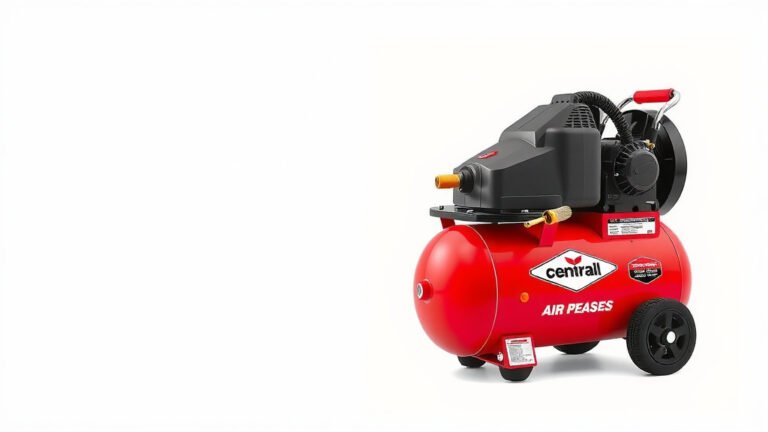
Think of an air-cooled compressor like your car engine. It uses the surrounding air to keep things from getting too hot. A fan blows air over the compressor’s exterior. This is usually done through fins on the compressor’s tank or pump. This method is simple and works well for most common tasks.
The Simplicity Advantage
One of the biggest draws of air-cooled models is their simplicity. They don’t need extra plumbing or a dedicated water source. This makes them easy to install almost anywhere. You just plug them in and go. For many small businesses and DIYers, this ease of use is a major selling point.
When Air-Cooling is Enough
Air-cooled compressors are great for intermittent use. If you’re using your compressor for a few hours a day, or even just a few times a week, an air-cooled unit will likely serve you well. They are common in auto repair shops, small fabrication shops, and for general construction work. You’ll find them as portable units or smaller stationary models.
How Water-Cooled Compressors Work
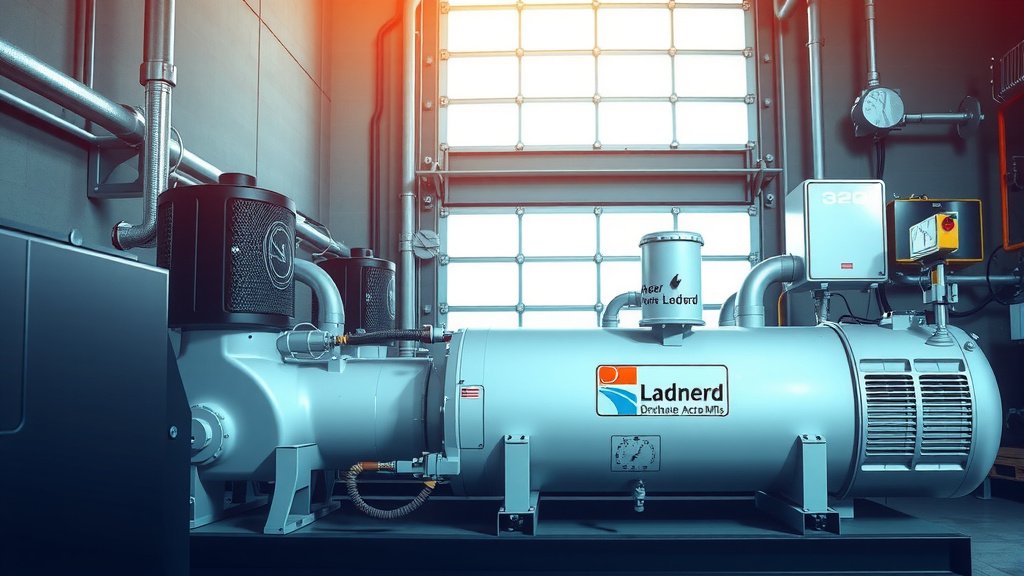
Water-cooled compressors use a different approach to heat management. Instead of relying on ambient air, they use a circulating flow of water. This water runs through a heat exchanger. The heat from the compressor is transferred to the water. The water then typically goes to a cooling tower or a chiller to dissipate the heat. This is a much more efficient way to cool.
The Efficiency Factor
The main benefit of water cooling is its superior cooling efficiency. Because water can absorb and transport heat much better than air, these compressors can run longer and harder without overheating. This efficiency translates into more stable performance and potentially lower energy use over time, especially under heavy loads. Many studies show water’s high specific heat capacity makes it ideal for cooling applications (NCBI).
Ideal for Heavy-Duty and Continuous Operation
If your operation demands 24/7 use, a water-cooled compressor is likely your best bet. Think of large manufacturing plants, heavy industrial sites, or facilities running critical processes. These systems need reliable, continuous air supply. Water-cooled units excel here, maintaining consistent temperatures and pressures even under extreme demands. They are designed for high duty cycles.
Comparing Key Differences: Air-Cooled vs. Water-Cooled
Let’s break down the differences side-by-side so you can see exactly how they stack up for your needs. We’ve found that focusing on a few core areas helps make the choice clearer.
Installation and Space Requirements
Air-cooled units are generally much simpler to install. They require good ventilation but no special plumbing. This means they can be placed in a wider variety of locations. You often see them in garages and smaller workshops. They take up less space overall as they don’t need external water systems.
Water-cooled units require more planning. You’ll need a reliable water supply and a way to manage the heated water. This often involves chillers, cooling towers, or even direct connection to a large water system. They also need space for the compressor itself, plus all the associated water-handling equipment. This makes them a bigger commitment in terms of infrastructure.
Operating Costs and Efficiency
On the surface, air-cooled compressors might seem cheaper initially. However, they can be less energy-efficient, especially in warmer environments or when run continuously. The fan motor uses energy, and less efficient cooling means the compressor might run longer to maintain pressure. You could see higher electricity bills with prolonged use.
Water-cooled compressors often have higher upfront costs due to the cooling system. However, their operational efficiency can lead to significant savings over time. The consistent cooling means the compressor can operate at optimal levels more often. While you have water costs, the energy savings from better cooling can outweigh them, particularly in industrial settings where uptime and efficiency are critical (U.S. Department of Energy).
Maintenance and Lifespan
Air-cooled systems are generally easier to maintain. Regular checks of the fan, filters, and overall cleanliness are usually sufficient. The simplicity means fewer parts to break down. However, in very dusty or hot environments, the cooling fins can get clogged, reducing efficiency and potentially shortening the lifespan if not cleaned.
Water-cooled systems require more involved maintenance. You need to monitor water quality to prevent scale buildup and corrosion in the heat exchanger and piping. This often involves water treatment and regular flushing. While they can have a longer lifespan due to more effective cooling, neglected water systems can lead to costly repairs. Many industry professionals recommend regular water analysis for these systems.
Noise Levels
Air-cooled compressors can be quite noisy. The fan and the compressor pump itself generate a significant amount of sound. You might need to place them in a separate room or use soundproofing measures. This is especially true for larger, industrial-grade air-cooled units.
Water-cooled compressors are often quieter overall. The main noise source, the compressor pump, is being cooled by water, which can dampen some of the sound. Furthermore, the associated cooling equipment (like chillers) might be located outside or in a dedicated, sound-treated area. This can lead to a more peaceful working environment for those nearby.
Environmental Considerations
When considering your environmental impact, both have points to ponder. Air-cooled compressors rely heavily on electricity. Their efficiency can impact your carbon footprint. In very hot climates, they might struggle, leading to increased energy consumption.
Water-cooled systems use water, which can be a precious resource. You’ll want to ensure your water usage is optimized and that any discharge meets local regulations. However, their higher efficiency means less overall energy consumption, which can be a plus for your carbon footprint.
| Feature | Air-Cooled | Water-Cooled |
|---|---|---|
| Cooling Method | Fan blows air over compressor | Water circulates through heat exchanger |
| Installation | Simple, no special plumbing | Requires water supply and drainage/circulation |
| Best For | Intermittent use, smaller shops, portability | Continuous operation, heavy industry, high demand |
| Efficiency | Can be lower, especially in heat | Generally higher, more stable performance |
| Maintenance | Simpler, mainly cleaning | More complex, water quality monitoring |
| Noise | Generally louder | Can be quieter overall |
| Upfront Cost | Lower | Higher |
Making the Right Choice for Your Needs
Deciding between these two types really comes down to understanding your workload and environment. Ask yourself these questions:
- How many hours a day will the compressor run?
- What is the typical temperature and humidity in my workspace?
- Do I have easy access to a reliable water supply and a way to manage wastewater?
- What is my budget for initial purchase and ongoing operating costs?
- How much noise can my workspace tolerate?
By carefully considering these points, you’ll be well on your way to selecting the compressor type that will serve you best for years to come.
Conclusion
Deciding between an air-cooled and water-cooled air compressor boils down to your specific operational demands. Air-cooled units offer simplicity and lower upfront costs, making them ideal for intermittent tasks and smaller workshops. Water-cooled systems provide superior efficiency and reliability for continuous, heavy-duty industrial applications, despite requiring more complex installation and maintenance. We’ve found that by carefully assessing your usage patterns, workspace environment, and budget for both initial investment and ongoing costs, you can confidently choose the system that ensures optimal performance and longevity for your needs.
Frequently Asked Questions
Can I use an air-cooled compressor for continuous operation?
While possible, air-cooled compressors are not ideally suited for continuous, heavy-duty operation. They can overheat, leading to reduced efficiency and potentially a shorter lifespan. For constant use, a water-cooled system is a much better investment.
What are the main risks of neglecting water-cooled compressor maintenance?
Neglecting water-cooled systems can lead to scale buildup and corrosion in the cooling components. This can significantly reduce cooling efficiency, cause premature wear on the compressor, and result in costly repairs or even system failure.
Which type of compressor is generally quieter?
Water-cooled compressors are often quieter overall. While both types have their own sound sources, the cooling process in water-cooled units can dampen vibrations, and their auxiliary equipment might be placed in more isolated areas.
How does ambient temperature affect air-cooled compressor performance?
In warmer or hotter environments, air-cooled compressors will struggle more to dissipate heat. This can lead to decreased efficiency, longer run times, and increased energy consumption as the compressor works harder to stay cool.
Are water-cooled compressors more energy-efficient than air-cooled ones?
Generally, yes, especially under heavy or continuous use. Water’s superior heat absorption capabilities allow water-cooled compressors to maintain optimal operating temperatures more efficiently, often translating to lower overall energy consumption compared to air-cooled units in similar demanding applications.