HF Air Compressor vs ARB: Which is Best for Your Rig
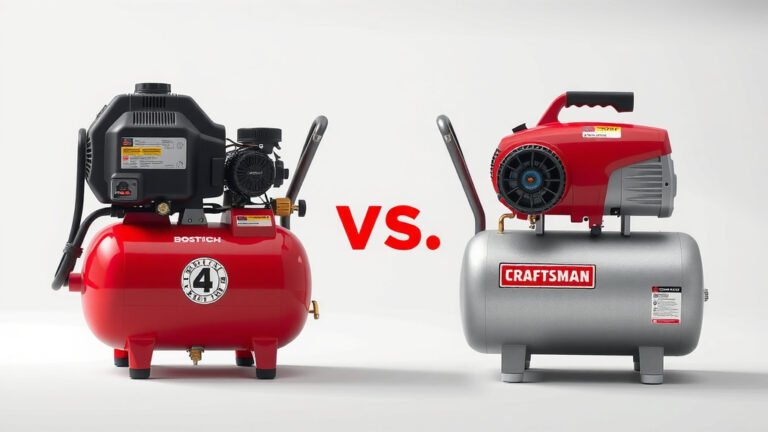
When comparing the HF Air Compressor vs. ARB, it really comes down to your specific needs and budget. While both offer reliable portable air solutions, ARB generally wins for its rugged build and proven off-road performance, often at a higher price point. HF compressors are a great budget-friendly option for occasional use.
Choosing between them means weighing factors like durability for off-road adventures against cost-effectiveness for casual tire inflation. We’ve researched what makes each brand stand out, so you can make the best choice for your vehicle and your wallet. Think about how often you’ll need it and where you’ll be using it most. To help you decide, consider our guide on 1 gallon vs 2 gallon air compressor tanks.
- ARB is often considered the premium, more durable choice.
- HF offers a good balance of performance and affordability.
- Consider your typical use case for tire inflation.
- Your budget will likely play a big role in the decision.
Let’s dive into the specifics of each to help you decide which air compressor will be your new best friend on the trail.
Portable Air Compressor Showdown: HF vs. ARB
When you’re out on the trail or just need to top off your tires at home, having a reliable air compressor is essential. Two big names often come up in this conversation: Harbor Freight (HF) and ARB. You might be wondering which one is the right fit for your adventures and your wallet. Let’s break down what each brand brings to the table.
Understanding Your Air Compressor Needs
Before we compare HF and ARB directly, think about how you’ll use your compressor. This is key to making the best choice. Will you be inflating tires after a long off-road trip? Or is it just for occasional use on your daily driver? Your answer will guide you toward the right compressor.
Usage Scenarios
For those who frequently hit challenging off-road trails, durability is non-negotiable. You need a compressor that can handle dust, bumps, and repeated use. On the other hand, if your vehicle mostly sees pavement and light gravel, a more budget-friendly option might serve you just fine.
Budget Considerations
Price is often a major factor. ARB compressors are generally positioned as premium products, and their price reflects that. HF, known for its value-oriented tools, typically offers more affordable options. Balancing features, performance, and cost is what we’re aiming for here.
Harbor Freight Air Compressors: The Budget-Friendly Champion
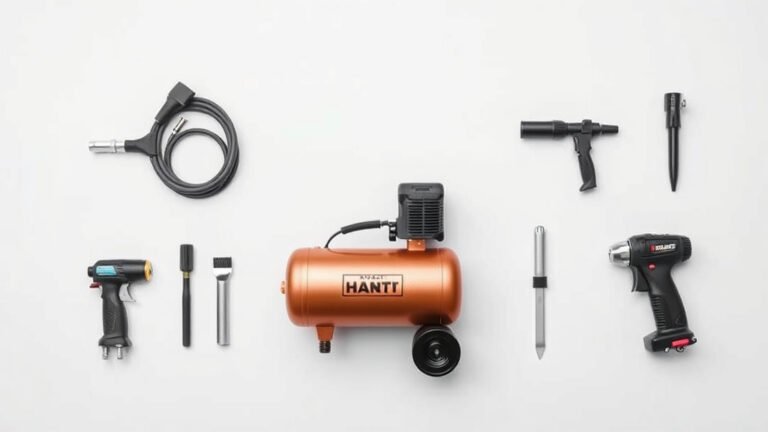
Harbor Freight’s Bauer and Pittsburgh lines offer a range of air compressors that many users find to be a great value. These are often chosen by folks who need portable air but don’t want to break the bank.
Pros of HF Compressors
The biggest draw for HF compressors is their accessibility and price point. You can often find a functional portable compressor for a fraction of the cost of premium brands. They come in various sizes, from small 12V models that plug into your car’s cigarette lighter to larger portable units. Many users find them sufficient for inflating car, truck, and even bike tires. We found that for casual use, they often get the job done without a fuss.
Cons of HF Compressors
While they offer good value, HF compressors might not always match the build quality or duty cycle of more expensive options. Continuous use or extreme conditions can sometimes lead to premature wear. Some models might also have slower inflation rates compared to high-end units. Think of them as reliable workhorses for everyday tasks, rather than extreme-duty marathon runners.
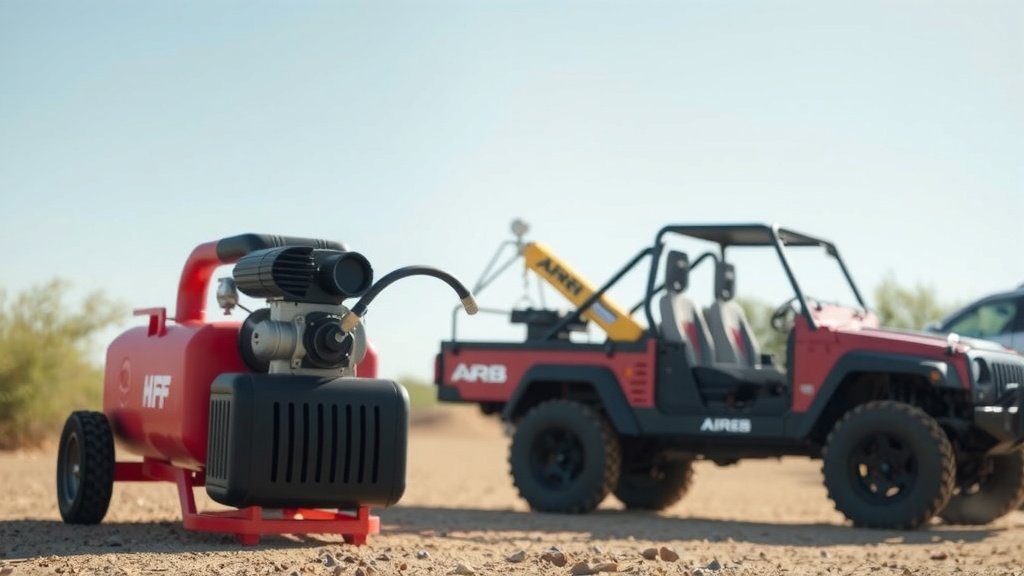
ARB Air Compressors: The Off-Road King
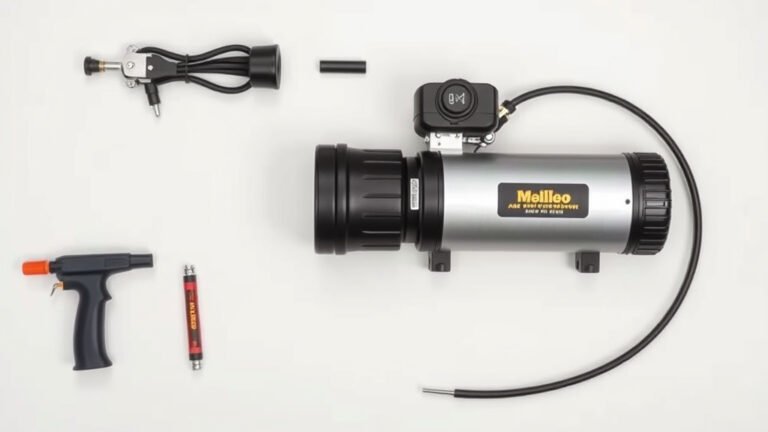
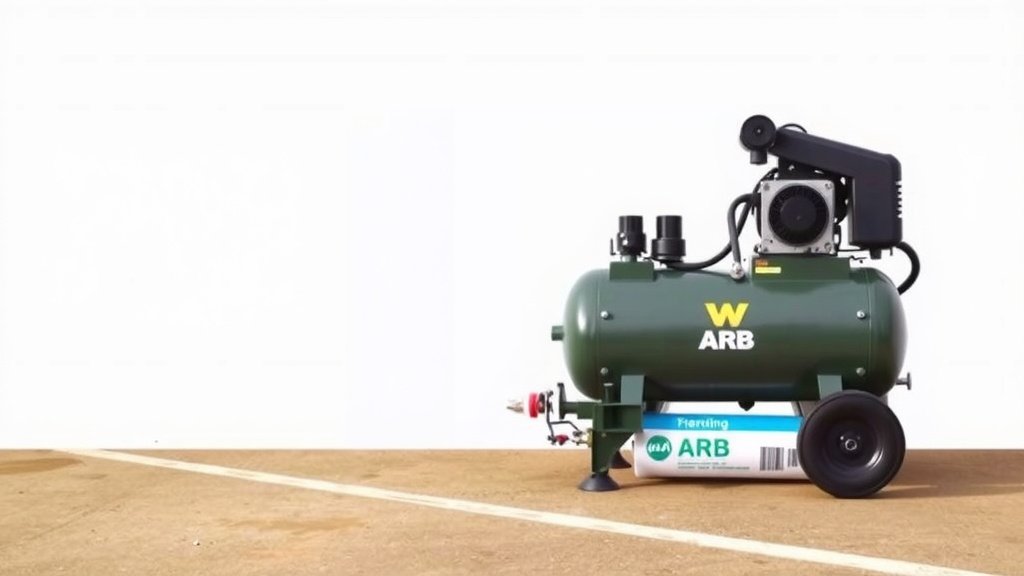
ARB is a name synonymous with off-road adventure. Their air compressors, particularly the popular CKMA12 and the dual motor models, are built tough for the demands of the trail. They are designed for reliability when you need it most.
Pros of ARB Compressors
ARB compressors are renowned for their robust construction and excellent performance. They are built with high-quality components designed to withstand harsh environments. Many models feature built-in thermal overload protection, which is a smart feature for preventing damage during extended use. The inflation rates are typically faster, meaning you can get your tires back up to pressure quicker after airing down. Many off-roaders trust ARB because of their proven track record in tough conditions (ARB).
Cons of ARB Compressors
The main drawback of ARB compressors is their price. They represent a significant investment compared to many HF options. While their durability is a major plus, the higher cost might not be justifiable for users who only need occasional tire inflation.
Direct Comparison: HF Air Compressor vs. ARB
Let’s put them side-by-side. Both brands offer portable air, but they cater to different user priorities. It’s not just about price; it’s about what you expect your compressor to do.
Build Quality and Durability
ARB generally takes the lead here. Their compressors are engineered for the rigors of off-roading. HF compressors are decent, but they may not hold up as well to constant abuse. If your travels involve serious trail time, ARB’s build quality is a strong selling point.
Performance and Speed
For faster inflation, ARB models often have an edge. Higher CFM (cubic feet per minute) ratings on many ARB units mean less waiting time. HF compressors vary, but some of their models can be slower, especially when topping off larger tires.
Features and Ease of Use
Both brands offer user-friendly designs. HF often provides straightforward plug-and-play operation. ARB frequently includes features like pressure gauges and integrated air tanks on some of their higher-end units, adding convenience. We found that ARB’s professional-grade fittings also contribute to a more robust connection.
Cost vs. Value
This is where HF shines for many. You can get a functional compressor for well under $100, whereas ARB can easily cost several hundred dollars. However, if you consider the lifespan and reliability in demanding situations, ARB’s higher price can be seen as a long-term investment in dependability.
| Feature | Harbor Freight (HF) | ARB |
|---|---|---|
| Price | Generally Lower | Generally Higher |
| Durability | Good for Casual Use | Excellent for Off-Road |
| Inflation Speed | Varies, Can Be Slower | Typically Faster |
| Target User | Budget-Conscious, Occasional Use | Off-Road Enthusiasts, Heavy Use |
| Build Materials | Standard | Heavy-Duty, Premium |
Which One is Right for You? A Quick Checklist
To help you decide, ask yourself these quick questions:
- Do you frequently go off-roading on rough terrain?
- Is your budget under $100 for a compressor?
- Do you need the fastest possible inflation times?
- How often will you be using the compressor?
- Do you prioritize extreme durability over initial cost?
Conclusion
You’ve seen how both Harbor Freight and ARB air compressors can serve your needs. If you’re hitting the trails frequently and need a compressor that can take a beating, ARB is likely your best bet. Its rugged build and faster inflation rates justify the higher cost for serious off-roaders. For those who only need to top off tires occasionally or have a tighter budget, an HF compressor offers a great value and gets the job done. Consider your typical usage and budget. Visit a store or browse online to find the model that best fits your vehicle and your adventures.
Frequently Asked Questions
Are Harbor Freight air compressors good enough for moderate off-roading?
For lighter trails and occasional use, many users find HF compressors adequate. They can inflate tires effectively for moderate conditions. However, for extreme terrain or very frequent use, their durability may be a concern compared to more robust options.
Can I permanently install an ARB compressor in my vehicle?
Yes, ARB offers models designed for permanent installation, often under the seat or in the engine bay. These are ideal for dedicated off-road rigs that need reliable air readily available.
How long does it typically take to inflate a tire with each brand?
Inflation times vary greatly by model and tire size. Generally, ARB compressors with higher CFM ratings will fill tires faster than most HF models. Expect ARB to be quicker, especially when airing up multiple large off-road tires.
What kind of maintenance do these compressors require?
Both brands benefit from basic care like keeping them clean and checking air filters if applicable. For HF, occasional checks on connections and hoses are good. ARB compressors are built for durability, but regular cleaning will ensure longevity.
Is an ARB compressor worth the extra cost if I don’t go off-roading often?
If your use is primarily for car tires on pavement and occasional light gravel, the higher investment in an ARB might not be necessary. A less expensive HF compressor will likely meet your needs without the premium price tag.