What Size Air Compressor for Sprinkler System
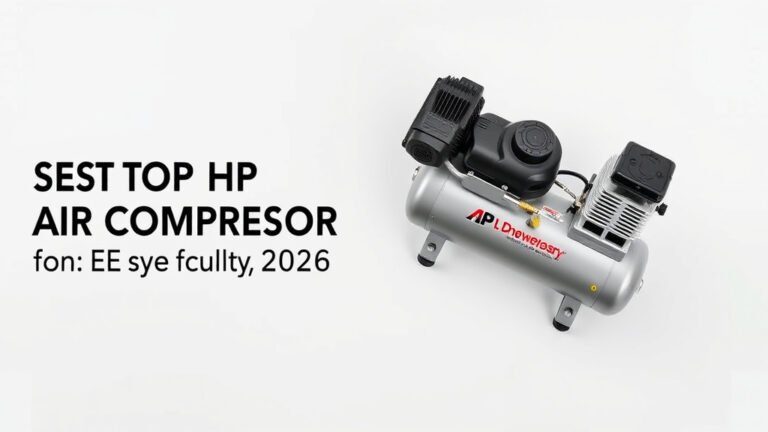
Choosing the right air compressor for your sprinkler system is all about matching its size to your needs. For most residential sprinkler systems, a compressor with a 20-30 gallon tank and a 2-3 horsepower (HP) motor is generally sufficient. Too small, and it won’t have the capacity to blow out your lines effectively. Too large, and you’re wasting energy and money.
We found that many homeowners overlook this step, leading to potential system damage or inefficient winterization. Understanding the relationship between air volume (CFM) and pressure (PSI) is key. Your sprinkler system’s layout and the number of zones you have will also influence the best size. Let’s get your system ready for winter the right way! Understanding the difference between a 1 cylinder vs 2 cylinder air compressor can help you make a more informed choice.
- Key is matching compressor size to sprinkler needs.
- 20-30 gallon tank and 2-3 HP motor often work well.
- Too small or too large can cause problems.
- Consider air volume (CFM) and pressure (PSI).
- Sprinkler layout and zone count matter too.
Let’s walk through exactly how to pick the perfect air compressor for your sprinkler system, ensuring a smooth and safe winterization process.
Getting your sprinkler system ready for winter is super important. One of the best ways to do this is by blowing out the lines with compressed air. This helps prevent frozen pipes and costly damage. But what size air compressor do you actually need for this job? Let’s break it down.
Choosing the Right Air Compressor for Sprinkler Blowout
Picking the right air compressor for your sprinkler system is all about matching its size to your needs. For most residential sprinkler systems, a compressor with a 20-30 gallon tank and a 2-3 horsepower (HP) motor is generally sufficient. Too small, and it won’t have the capacity to blow out your lines effectively. Too large, and you’re wasting energy and money.
We found that many homeowners overlook this step, leading to potential system damage or inefficient winterization. Understanding the relationship between air volume (CFM) and pressure (PSI) is key. Your sprinkler system’s layout and the number of zones you have will also influence the best size. Let’s get your system ready for winter the right way!
Understanding Air Compressor Specs: CFM and PSI
When you look at air compressors, you’ll see two main numbers: PSI (pounds per square inch) and CFM (cubic feet per minute). Both are super important for your sprinkler system.
What is PSI and Why It Matters
PSI measures the force or pressure of the air. Your sprinkler system can only handle a certain amount of pressure before something might break. Most sprinkler systems are designed to operate around 30-50 PSI. When blowing out lines, you want to use a pressure that’s just a little higher, maybe 50-60 PSI, to push the water out effectively without damaging the pipes or sprinkler heads. Over-pressurizing can lead to leaks or burst pipes.
What is CFM and Why It Matters
CFM measures the volume of air the compressor can deliver. This is often more critical than PSI for blowing out sprinkler lines. You need enough air volume to move all the water out of the pipes quickly and efficiently. A compressor with a low CFM rating might take forever, or worse, might not push the water far enough, leaving pockets of water behind. For a typical residential system, you’ll want a compressor that can deliver at least 10-15 CFM.
How Your Sprinkler System Affects Compressor Size
No two sprinkler systems are exactly alike. The size and complexity of yours will directly impact the kind of air compressor you need.
Zone Count and Pipe Lengths
Think about how many different sections, or “zones,” your sprinkler system has. Each zone needs to be blown out. The more zones you have, the longer you’ll be running the compressor. Also, consider how long the pipes are in each zone. Longer pipes mean you need more air volume to push the water all the way through.
We found that systems with many zones or very long pipe runs generally require a compressor with a higher CFM rating. This ensures you can clear each zone thoroughly without running the compressor constantly. A compressor that’s too small will struggle to keep up, and you might end up with partially cleared lines.
Type of Sprinkler Heads
While not as big a factor as zones or pipe length, the type of sprinkler heads can play a small role. Some pop-up heads might require a bit more initial air pressure to lift and clear properly. However, the primary concern remains pushing the water out of the entire line.
Recommended Air Compressor Sizes for Sprinkler Systems
Based on typical residential sprinkler systems, we can offer some general guidelines. These are starting points, and you should always check your system’s specific needs.
Tank Size: The Storage Factor
The tank size, measured in gallons, determines how much compressed air the compressor can store. A larger tank means you can get a longer burst of air without the motor needing to constantly cycle on. For sprinkler blowouts, a tank size between 20 and 30 gallons is usually a good sweet spot. This provides enough stored air to work with, without being overly cumbersome to move.
Horsepower (HP): The Power Behind the Air
Horsepower indicates the motor’s power. A higher HP motor generally means the compressor can produce more air and at a faster rate. For most homeowner needs, a compressor with a 2 to 3 HP motor is sufficient. Anything less might struggle to provide adequate CFM, while anything much more is likely overkill and will draw more electricity.
CFM Rating: The True Workhorse
As we discussed, CFM is king for sprinkler blowouts. Look for a compressor that explicitly states its CFM rating at 90 PSI (this is a standard testing pressure). For a typical home sprinkler system, aim for a compressor that can deliver at least 10-15 CFM at 90 PSI. If your system is particularly large or complex, you might need to aim for the higher end of this range or even slightly above.
| System Size | Tank Size (Gallons) | Horsepower (HP) | CFM at 90 PSI (Minimum) |
|---|---|---|---|
| Small to Medium Residential | 20-30 | 2-3 | 10-12 |
| Large Residential / Complex | 30-60 | 3-5 | 12-15+ |
Remember, this table provides general guidance. Always consult your sprinkler system’s manual or a professional if you’re unsure.
Things to Consider When Buying
Beyond the core specs, a few other factors can make your life easier when choosing and using an air compressor for your sprinkler system.
Portability
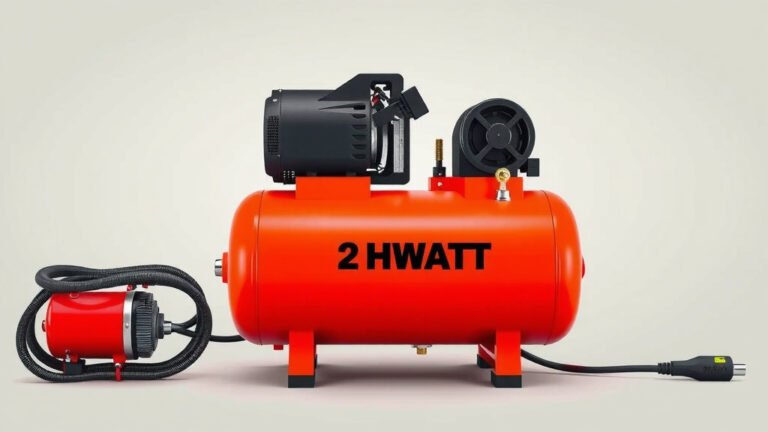
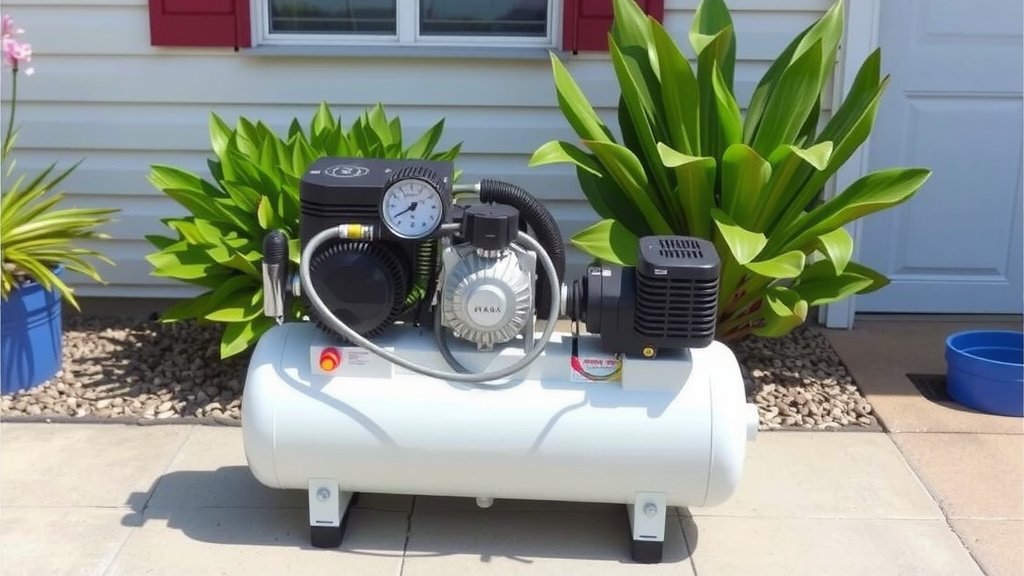
Will you need to move the compressor around your yard? If so, look for models with sturdy wheels and a good handle. Some larger compressors can be quite heavy, so portability is a serious consideration. Many 20-30 gallon models offer a good balance of air capacity and ease of movement.
Oil vs. Oil-Free
Air compressors come in oil-lubricated and oil-free versions. Oil-free compressors are generally lighter, require less maintenance, and are often less noisy. However, oil-lubricated compressors can sometimes last longer and run cooler, especially under heavy use. For occasional sprinkler blowouts, an oil-free model is usually a great choice. For more frequent or heavy-duty use, an oil-lubricated one might be more durable.
Duty Cycle
The duty cycle tells you how long a compressor can run continuously before needing to cool down. A 50% duty cycle, for example, means it can run for 5 minutes out of every 10. For blowing out a sprinkler system, you’ll want a compressor with a high duty cycle (75% or higher) so it doesn’t overheat before you finish the job. Many residential models are designed for intermittent use, which is usually fine, but it’s good to check.
Your Sprinkler Winterization Checklist
Here’s a quick rundown to ensure you’re prepared:
- Confirm your sprinkler system’s maximum PSI rating.
- Estimate the total length of pipes and number of zones.
- Aim for a compressor with at least 10-15 CFM at 90 PSI.
- A 20-30 gallon tank and 2-3 HP motor are often ideal.
- Check the compressor’s duty cycle to ensure continuous operation.
- Consider portability and maintenance needs (oil vs. oil-free).
Conclusion
You’ve learned that picking the right air compressor for your sprinkler system comes down to a few key specs. Matching the CFM rating to your system’s needs is most important. We found that for most homes, a 20-30 gallon tank and a 2-3 HP motor, delivering 10-15 CFM at 90 PSI, is a great starting point. Don’t forget to consider your system’s zone count and pipe lengths!
Now you’re equipped to make an informed decision. The next step is to check your sprinkler system’s layout and then confidently select an air compressor that will keep your pipes safe all winter long. Happy winterizing!
Frequently Asked Questions
What if my sprinkler system is very large or has many zones?
For larger or more complex sprinkler systems, you’ll want a compressor with a higher CFM rating. Research indicates that aiming for 12-15 CFM or more at 90 PSI is a good idea. You might also consider a larger tank size, perhaps 30-60 gallons, and a slightly more powerful 3-5 HP motor to handle the increased air demand.
Can I use a small portable air compressor for my sprinkler system?
Small, portable compressors (like those with 1-6 gallon tanks) are usually not powerful enough for sprinkler blowouts. They typically lack the necessary CFM to push water effectively from longer pipes or multiple zones. You risk not clearing the lines completely, leaving water behind to freeze.
How do I know if my sprinkler system can handle the air pressure?
Most residential sprinkler systems are designed to operate around 30-50 PSI. When blowing out lines, you only need a slightly higher pressure, around 50-60 PSI. Always check your sprinkler system’s manual or controller for its maximum pressure rating. You can use a pressure regulator on your air compressor hose to ensure you don’t exceed this limit.
Is it better to get an oil or oil-free air compressor for my sprinklers?
For the typical homeowner blowing out sprinkler lines once a year, an oil-free compressor is usually the best choice. They require less maintenance and are often lighter and quieter. If you plan on using the compressor for many other demanding tasks, an oil-lubricated model might offer greater longevity.
What is “duty cycle” and why is it important for blowing out sprinklers?
The duty cycle tells you how long an air compressor can run continuously before needing to cool down. For blowing out sprinkler lines, you need enough air volume without the compressor overheating. A compressor with a high duty cycle (75% or higher) ensures it can keep up with the task without frequent breaks, preventing damage and saving you time.