
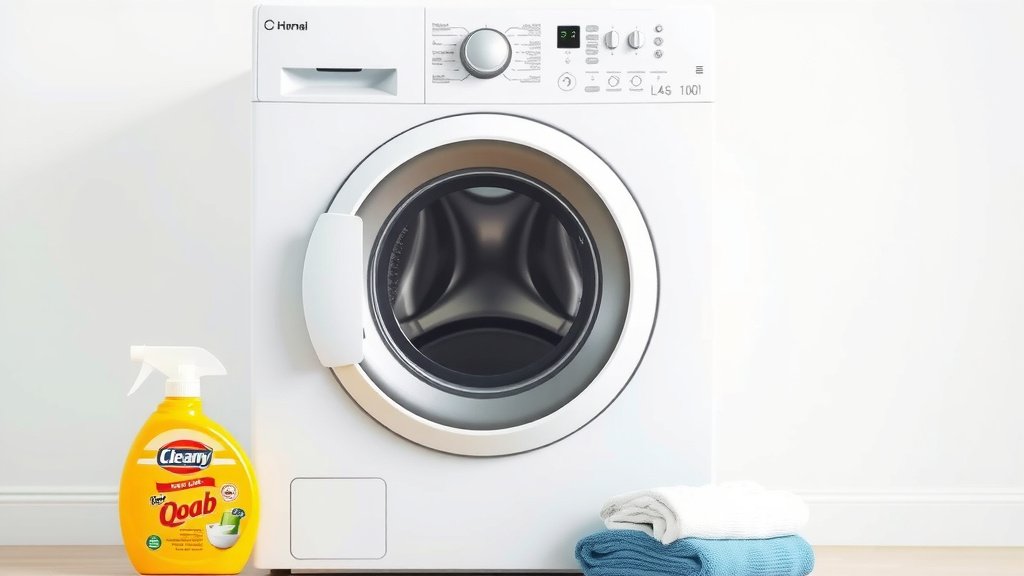
How to Clean Your Front Loader Washing Machine
The easiest way to clean your front loader is with a simple DIY solution using white vinegar and baking soda. This method effectively tackles odors and residue, keeping your machine running smoothly. You’ll want to do this regularly to prevent buildup.
Front loaders can sometimes develop a musty smell due to moisture trapped in the rubber seal. Regular cleaning helps prevent this common issue. Many experts recommend a monthly deep clean for optimal performance. Keeping your washing machine clean also helps your clothes come out smelling fresher.
- Wipe down the rubber door seal.
- Run a hot cycle with vinegar.
- Clean the detergent dispenser.
- Use baking soda for tough odors.
- Leave the door ajar to dry.
Ready to give your front loader the spa treatment it deserves? Let’s walk through exactly how to get it sparkling clean, step by step.
Keeping Your Front Loader Fresh: A Simple Cleaning Guide
Cleaning your front loader is easier than you might think. You can tackle common issues like mold and odors with just a few household items. Regular cleaning helps your machine perform better. It also ensures your clothes come out smelling wonderfully clean. Let’s get started on making your washer sparkle!
Why Your Front Loader Needs Regular Cleaning
Front-loading washing machines are fantastic for saving energy and water. But their design can sometimes trap moisture. This can lead to that dreaded musty smell. Think of it like a neglected shower – things can get a bit damp and musty if not aired out. The rubber gasket around the door is a prime spot for this.
We found that many people experience a mildew smell coming from their front loaders. This is usually because water sits in the bottom of the door seal after a wash. If you don’t wipe it down, or leave the door closed, that moisture can become a breeding ground for mold and mildew. This is why regular cleaning is so important for your machine’s health and your clothes’ freshness.
Understanding the Common Culprits
The main culprits are typically residual detergent, fabric softener, and trapped moisture. Over time, these can build up inside the machine. They form a gunk that smells less than pleasant. This buildup can even affect how well your detergent works.
The rubber door seal, often called a gasket, is a key area to focus on. Its job is to create a watertight seal. However, this also means it can collect lint, hair, and moisture. If left unchecked, it can become a hub for mold and mildew growth. Some manufacturers recommend cleaning this area weekly.
Your Step-by-Step Cleaning Process
Ready to give your machine a good scrub? You won’t need many special products. Most of what you need is likely already in your pantry. We’ll walk you through each step to ensure a thorough clean.
Step 1: Tackle the Gasket
Start with the rubber door seal. Open the door and gently pull back the rubber gasket. You’ll likely see some moisture, lint, or maybe even some dark spots. This is normal, but it needs to be cleaned. For this, a damp cloth is your best friend.
You can use a solution of warm water and a little bit of mild dish soap. Or, for a bit more power against mold, mix equal parts water and white vinegar. Wipe down the entire gasket, getting into all the folds. Don’t forget the area behind the seal where water tends to collect. You might need to rinse your cloth often.
Step 2: The Hot Water Cycle with Vinegar
Now, let’s move to the inside of the drum. Many experts suggest running a hot water cycle to sanitize the machine. This helps kill bacteria and dissolve any lingering detergent residue. White vinegar is a fantastic natural disinfectant and deodorizer.
Pour about 2 cups of white vinegar directly into the detergent dispenser drawer. If you don’t have a dispenser, you can pour it directly into the drum. Then, run your washing machine on its hottest, longest cycle. A heavy-duty or sanitizing cycle works best. This hot bath will flush out the internal pipes and drum, leaving it cleaner.
Step 3: The Baking Soda Boost
For an extra punch against stubborn odors and grime, baking soda is a wonder. It acts as a gentle abrasive and a powerful deodorizer. After the vinegar cycle is complete, sprinkle about half a cup of baking soda directly into the drum. Run another hot water cycle. This combination of vinegar and baking soda is often recommended by appliance repair specialists.
Step 4: Clean the Detergent Dispenser
Your detergent dispenser drawer can get quite grimy. Residue from detergent and fabric softener can build up here. This can clog the dispenser and even lead to mold. Most dispenser drawers can be removed. Check your owner’s manual for specific instructions on how to take yours out.
Once removed, soak the drawer in warm, soapy water. You can use an old toothbrush or a small brush to scrub away any stubborn residue. Rinse it thoroughly and dry it completely before putting it back. If your drawer isn’t removable, use a damp cloth and a brush to clean it as best you can within the machine.
Step 5: Wipe Down the Exterior
Don’t forget the outside! Wipe down the exterior of your washing machine with a damp cloth and a mild cleaner. Pay attention to the control panel and the door. This keeps your machine looking tidy and prevents dust from accumulating.
Step 6: The Crucial Drying Step
This is perhaps the most important step for preventing future smells. After every wash, and especially after cleaning, you need to let your front loader dry out. The best way to do this is to leave the door ajar. Also, pull out the detergent drawer slightly.
This allows air to circulate inside the drum and gasket. It helps evaporate any remaining moisture. Many people close the door right after a load, trapping that dampness inside. Making a habit of leaving the door open for a few hours, or even overnight, makes a huge difference. Think of it as giving your washer a chance to breathe!
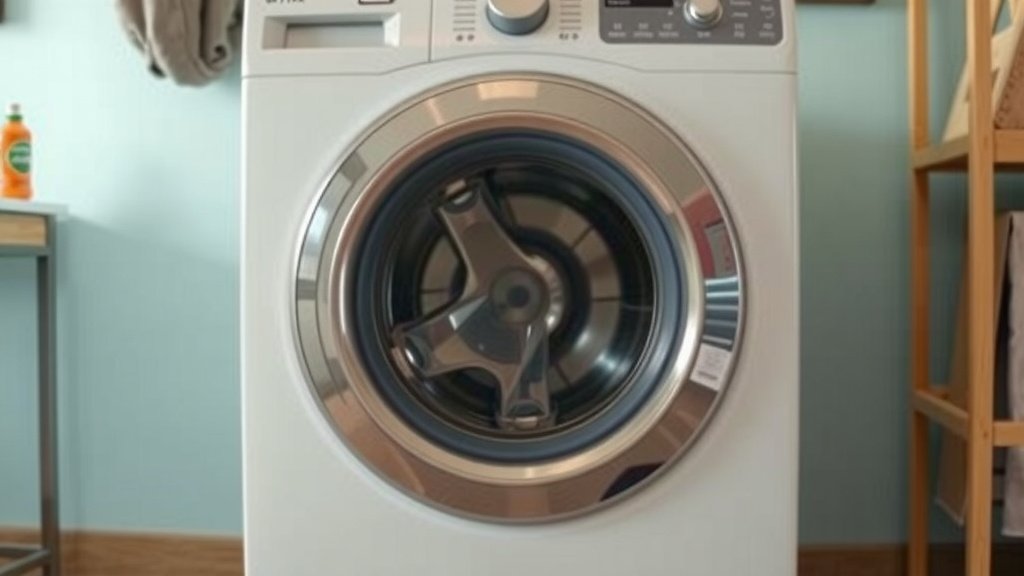
A Quick Checklist for a Fresh Machine
Here’s a handy checklist to keep your front loader smelling great:
- Wipe down the rubber door seal after each wash.
- Leave the door slightly open between uses.
- Run a hot water cycle with vinegar monthly.
- Clean the detergent dispenser regularly.
- Wipe down the exterior for a clean look.
- Check the drain filter for lint buildup occasionally.
Troubleshooting Lingering Odors
If you’ve followed these steps and still notice an odor, it might be time for a more targeted approach. Some newer machines have a self-cleaning cycle. Check your manual to see if yours does, and follow those instructions.
For persistent smells, you can try a commercial washing machine cleaner. Follow the product’s instructions carefully. We found that these cleaners can be very effective. Ensure you choose one designed for front-loading machines. If odors persist, there might be a deeper issue, and consulting your washing machine’s manual or contacting a technician could be the next step.
Conclusion
You’ve now got the roadmap to a sparkling clean front loader! By regularly tending to your washing machine’s gasket, drum, and dispenser, you’re not just preventing odors. You’re also helping your machine run more efficiently. We found that consistent cleaning with simple household items like vinegar and baking soda makes a big difference. Make it a habit to leave the door ajar after each cycle. This simple step is key to keeping moisture at bay. Give your front loader the care it deserves, and enjoy fresher laundry!
Frequently Asked Questions
How often should I really clean my front loader?
For the best results and to prevent odors, we recommend a thorough cleaning like the one described monthly. However, wiping down the door seal and leaving the door open after each load should be done after every wash. This simple daily habit goes a long way.
Can I use bleach to clean my front loader?
While bleach can sanitize, we found that using white vinegar is often preferred for front loaders. Vinegar is gentler on the rubber seals and pipes and is excellent at breaking down detergent residue and tackling odors. If you do choose to use bleach, use it sparingly and dilute it well, and never mix it with vinegar.
Why does my front loader smell even after cleaning?
If a smell persists after a deep clean, check the drain pump filter. Lint and debris can accumulate there and cause odors. Also, ensure you’re not using too much detergent, as this can lead to buildup. Sometimes, a dedicated washing machine cleaner or a specialized cycle might be needed.
Is it bad to leave the door closed after a wash?
Yes, leaving the door closed traps moisture inside the drum and gasket, creating a perfect environment for mold and mildew growth. This is a primary cause of the musty smell in front loaders. Always leave the door ajar to allow for air circulation and drying.
What if my detergent dispenser is really clogged?
If your detergent dispenser is severely clogged, removing it for a deep clean is the best option. Soak it in warm, soapy water and use an old toothbrush or a small scrub brush to loosen any hardened residue. If the dispenser isn’t removable, use a damp cloth and a brush to clean as much as you can within the machine.

![7 Best Compact Washer And Dryer Set [In 2026]](https://homeunderstandable.com/wp-content/uploads/2026/08/7-best-compact-washer-and-dryer-set-in-2026-featured-768x432.jpg)
![7 The Best Front Loader Washing Machine [In 2026]](https://homeunderstandable.com/wp-content/uploads/2026/09/7-the-best-front-loader-washing-machine-in-2026-featured-768x432.jpg)