Air Compressor Cost: What You’ll Pay in 2026
The cost of an air compressor can range from under $100 for small DIY models to over $1,000 for heavy-duty professional units. Your specific needs and the type of compressor you choose will determine the final price you pay for this essential tool.
When budgeting for an air compressor, think about its horsepower, tank size, and CFM (Cubic Feet per Minute) rating. These factors directly impact performance and, consequently, the cost. Understanding these specs helps you find the right balance between budget and capability for your projects.
- DIY Hobbyists: Expect to spend $100 – $400.
- Home Garages/Light Commercial: Budget $400 – $1,000.
- Industrial/Heavy Duty: Costs can climb well over $1,000.
- Key Factors: Horsepower, tank size, and CFM are major price drivers.
Let’s dive deeper into what influences these prices and help you figure out the best option for your workshop.
Understanding Air Compressor Pricing Factors
So, you’re looking into buying an air compressor, and the price tags can make your head spin, right? You’ve seen everything from under a hundred bucks to well over a grand. It’s a big purchase, and you want to make sure you’re getting the most bang for your buck. We’re here to break down exactly what makes one air compressor cost more than another.
The main drivers of cost really boil down to a few key specifications. Think of it like buying a car – a sleek sports car costs more than a reliable sedan. Your needs dictate which one is right, and the same applies to air compressors. We’ll cover the specs that matter most for your budget.
The Core Components That Affect Price
Horsepower (HP): More Power, More Bucks
Horsepower is a big one. It tells you how much work the motor can do. For lighter tasks, like topping off tires or using a small brad nailer, you don’t need a powerhouse. A 1 to 2 HP unit might be plenty. These tend to be at the lower end of the price spectrum.
If you’re planning on running heavier tools, like impact wrenches or paint sprayers for longer periods, you’ll need more HP. We found that compressors with 3 HP or more start climbing in price. Professional-grade machines can pack 5 HP or even more, and you’ll see that reflected in the cost. Think of it like this: a tiny engine in a scooter won’t cost as much as a V8 in a truck.
Tank Size: Bigger Means Pricier
The tank is where the compressed air is stored. A larger tank means you can run your tools for longer without the compressor needing to constantly cycle on and off. For quick jobs, a small pancake compressor with a 1-3 gallon tank might do just fine, and these are often quite affordable. They’re For quick jobs, a small pancake compressor with a 1-3 gallon tank might do just fine, and these are often quite affordable.easy to carry and store.
However, if you’re using air-hungry tools or working on projects that take time, you’ll want a bigger tank. We’ve seen units with 20, 30, 60, or even 80-gallon tanks. Naturally, a bigger tank requires more materials and space, so these larger tanks come with a higher price tag. They also take up more room, so consider your workshop space!
CFM Rating: The Real Performance Measure
CFM, or Cubic Feet per Minute, is arguably the most important spec. It tells you how much air the compressor can deliver at a specific pressure (usually measured in PSI, or pounds per square inch). Your tools have their own CFM requirements, and you need a compressor that can meet or exceed them.
A compressor with a low CFM rating (like 1-3 CFM) will work for small, intermittent tasks. However, for tools that use a lot of air continuously, like sanders or spray guns, you’ll need a higher CFM rating. Many experts point out that matching CFM is key to tool performance (Popular Mechanics). Higher CFM ratings mean a more robust, and therefore more expensive, compressor.
Types of Air Compressors and Their Price Ranges
Pancake and Hot Dog Compressors (Portable & Compact)
These are your go-to for light DIY and hobbyist use. Pancake models are short and wide, while hot dog models are tall and thin. They usually have smaller tanks (1-6 gallons) and lower HP (around 1-2 HP). You can often find these for under $200. They are great for inflating tires, powering brad nailers, and other small tasks. They are also very portable, making them easy to move around.
Single-Stage vs. Two-Stage Compressors
This is where the technology gets a bit more involved, and so does the price. Single-stage compressors compress air in one step. They are suitable for most home garage applications and many DIYers. You’ll typically find them in the $300 to $800 range.
Two-stage compressors compress air in two steps. This process is more efficient and produces higher pressure and more consistent airflow. They are built for continuous use and can handle more demanding tasks. Many professionals opt for these. You’ll generally see prices starting around $600 and going up to $1,500 or more for larger, higher-performance models. They are designed for heavy-duty use, like auto repair shops or manufacturing environments.
Rotary Screw Compressors (Industrial Powerhouses)
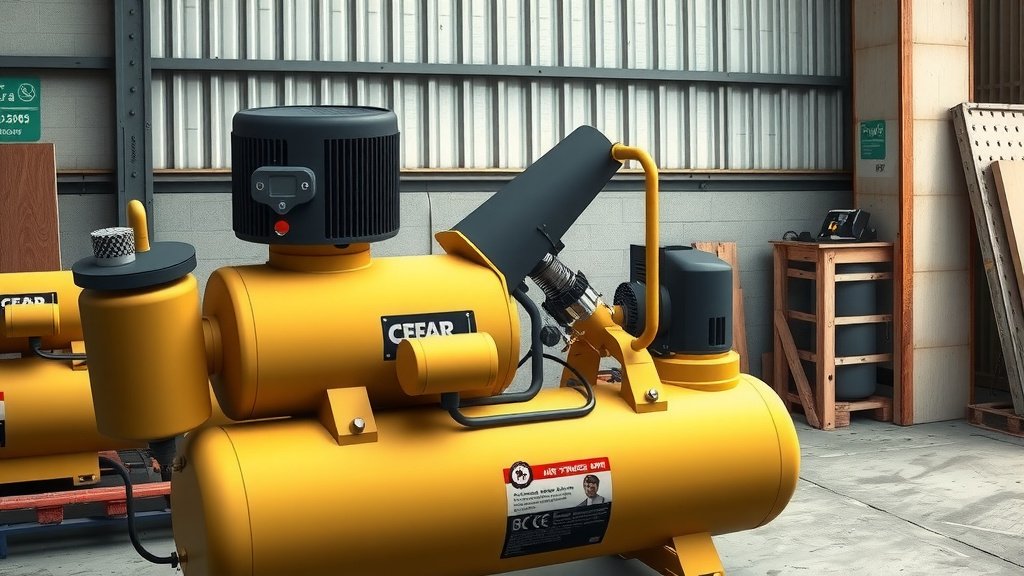
Now we’re talking serious business. Rotary screw compressors are designed for constant, heavy-duty industrial applications. They use rotating screws to compress air, offering continuous operation and high efficiency. They are a significant investment. We found that these units rarely cost less than $2,000 and can easily reach tens of thousands of dollars for large industrial setups.
You wouldn’t typically need this for a home garage. They are found in factories, large workshops, and anywhere a steady, high volume of compressed air is required. Their durability and performance justify the higher cost for commercial and industrial users.
Additional Costs to Consider
Power Source: Electric vs. Gas
Most air compressors you’ll encounter run on electricity. These are generally quieter and easier to maintain. Electric compressors come in various voltage options (120V for standard outlets, 240V for higher power needs), and the higher voltage units often cost a bit more upfront. You can find basic electric models for around $100.
Gas-powered compressors offer portability and power where electricity isn’t available. They are louder and require more maintenance, like oil changes. Because of the engine, they tend to be more expensive than comparable electric models. Expect to pay at least $500 for a decent gas-powered unit. They are ideal for job sites or remote locations.
Brand Reputation and Features
Just like any other product, well-known brands often command higher prices. Companies with a reputation for reliability and good customer service might charge a premium. Think about brands like DeWalt, Ingersoll Rand, or Quincy. They often offer excellent performance but come with a higher initial investment.
Features can also add to the cost. Some compressors come with oil-lubricated pumps, which are generally more durable but pricier than oil-free models. Others might have special features like quiet operation technology, built-in air dryers, or advanced control panels. These extras can add a few hundred dollars to the overall price.
Accessories and Maintenance
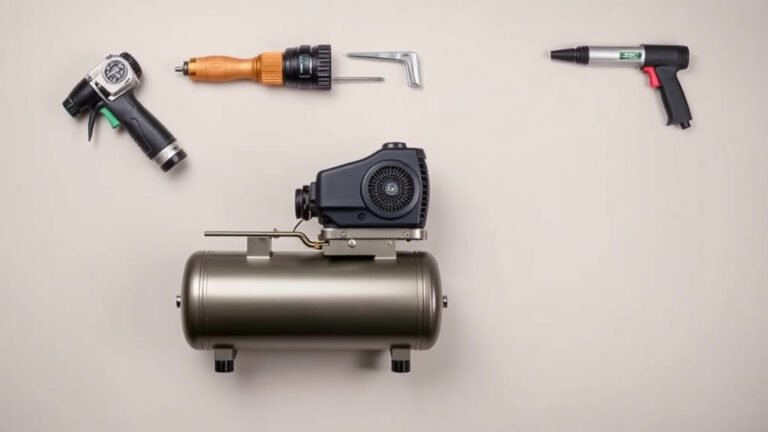
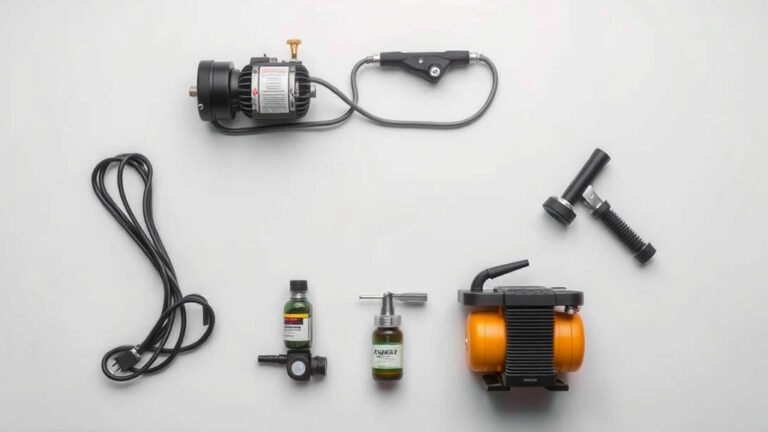
Don’t forget the accessories you’ll need! Hoses, fittings, air filters, and even safety glasses add to your total outlay. A good quality air hose can cost $50 or more. If you plan on using spray guns, you’ll need regulators and moisture traps. These can add another $100-$300 to your initial setup cost. Regular maintenance, like draining the tank and checking oil levels, is also important to keep your compressor running smoothly for years to come.
Quick Checklist for Budgeting Your Air Compressor
- Assess your primary needs: What tools will you power?
- Check tool CFM requirements: Ensure the compressor meets them.
- Consider tank size: How long will you use tools continuously?
- Evaluate horsepower: Does it match your tool demands?
- Factor in power source: Electric vs. gas availability and cost.
- Budget for accessories: Hoses, fittings, filters, etc.
Conclusion
Figuring out the right air compressor cost comes down to understanding your needs. You’ve learned that horsepower, tank size, and CFM are key indicators of performance and price. Whether you’re a weekend DIYer or running a professional shop, there’s a compressor that fits your budget and workload. We’ve seen that portable pancake models start under $100, while robust two-stage or rotary screw units can run into thousands. By assessing your tool requirements and considering factors like brand and accessories, you can confidently make an informed purchase. Your next step is to identify the specific CFM needs of your tools and match them with a compressor that offers reliable performance for your projects.
Frequently Asked Questions
What’s the cheapest type of air compressor I can buy?
The most affordable air compressors are typically the small, portable pancake or hot dog styles. These are designed for light DIY tasks and can often be found for under $100. They have smaller tanks and lower horsepower, making them budget-friendly.
How much should I expect to spend for a home garage compressor?
For a home garage that handles moderate tasks, you’re likely looking at a price range of $300 to $1,000. This usually gets you a single-stage compressor with a tank size between 20 to 60 gallons, suitable for powering various tools intermittently.
Are gas-powered air compressors more expensive than electric ones?
Yes, gas-powered air compressors generally cost more upfront than electric models with similar specifications. This is due to the inclusion of an engine, but they offer portability where electricity is unavailable, which can justify the higher price for some users.
Do I need to budget extra for accessories?
Absolutely. You’ll need to factor in the cost of air hoses, quick-connect fittings, and potentially regulators or filters. These essential accessories can add anywhere from $100 to $300 or more to your initial air compressor purchase.
Is a more expensive air compressor always better?
Not necessarily. A more expensive compressor often means higher horsepower, larger tank capacity, or better build quality for heavy-duty use. However, if your needs are basic, a mid-range or even a lower-cost model might be perfectly adequate and provide the best value for your specific situation.