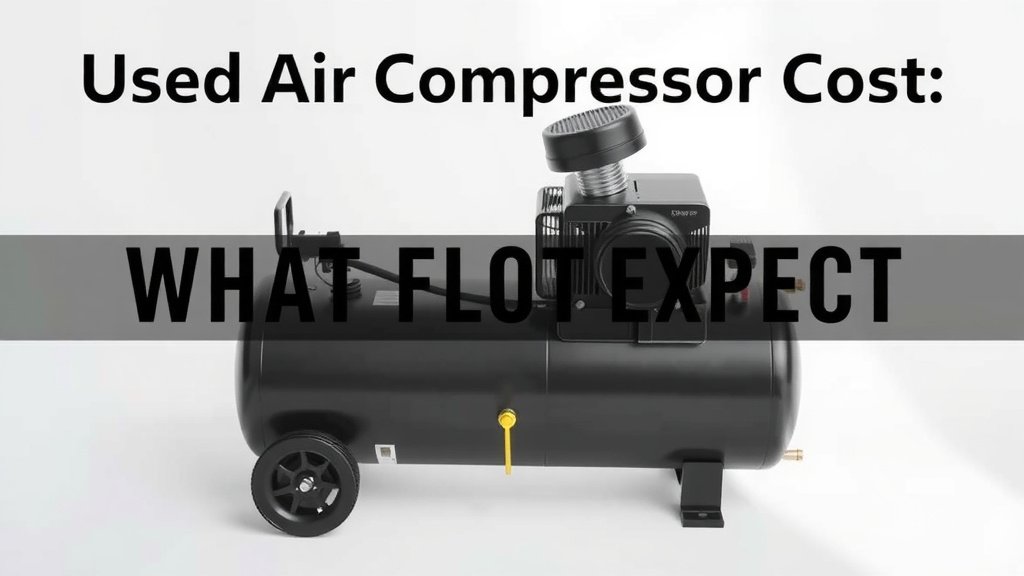
Used Air Compressor Cost: What to Expect
You’re probably wondering, “How much for a used air compressor?” Well, you can expect to pay anywhere from $50 to $500 for a decent used air compressor. The final price depends heavily on its size, condition, and brand. Think of it like buying a used car; there are many factors that affect the price.
Finding a quality used air compressor means you can save a good chunk of money compared to buying new. We found that many homeowners and DIYers score great deals on units that still have plenty of life left. Just be sure to inspect it thoroughly before you hand over your cash.
- Price range: $50 – $500 generally.
- Key factors: Size, condition, brand, and age.
- New vs. Used: Used can save you hundreds.
- What to check: Leaks, motor noise, tank integrity.
- Best for: DIYers, occasional use, budget-conscious buyers.
Let’s dive into the details and help you find the perfect used air compressor without breaking the bank.
Figuring Out the Cost of a Used Air Compressor
You’re ready to tackle those projects, but your trusty air compressor is on its last leg, or maybe you never had one. Buying new can be a bit pricey. So, you’re looking at the used market. That’s smart thinking! A used air compressor can offer fantastic value. We found that most people looking for a used unit can expect to spend somewhere between $50 and $500. Of course, this is just a general range. The actual price tag you see will depend on several key factors.
Understanding the Factors That Influence Used Air Compressor Prices
Think of buying a used air compressor like buying a used car. A few things will really move the price needle. We’ve seen that the size of the compressor is a big one. So is its overall condition. And, of course, the brand name often plays a role. Let’s break down these elements so you know what to look for.
Size Matters: Horsepower and Tank Capacity
Air compressors come in different sizes, usually measured by horsepower (HP) and tank capacity (gallons). A small, portable compressor for inflating tires might only be 1-2 HP with a small tank. These are typically on the lower end of the price spectrum. Larger, stationary units with 5 HP or more and tanks holding 60 gallons or more are much more expensive, even used. We found that for most DIY home projects, a unit between 3-6 HP with a 20-30 gallon tank is often a sweet spot for both power and price.
Condition is King: Wear and Tear
This is where your detective skills come in! A compressor that looks clean and has been well-maintained will fetch a higher price. Rust, dents, or strange noises can significantly lower the value. We found that units with a lot of visible wear and tear might require immediate repairs. This could turn a good deal into an expensive surprise. Always ask about the compressor’s history if possible.
Brand Name and Reputation
Just like with many products, some brands hold their value better than others. Well-known brands like DeWalt, Porter-Cable, and Campbell Hausfeld often command higher prices, even used. This is because they’re known for durability and reliability. Less common or no-name brands might be cheaper, but do your homework. Research reviews to ensure they are still decent performers.
Age: How Old Is It?
An older compressor might seem like a bargain, but its lifespan could be shorter. Newer models often have better efficiency and quieter operation. We found that compressors over 10 years old can be a gamble. Unless it’s a very high-quality unit that’s been meticulously cared for, you might want to look for something a bit younger.
Typical Price Ranges for Used Air Compressors
Let’s put some numbers to it. Based on our research, here’s what you might expect:
| Type of Compressor | Typical Used Price Range | Best For |
|---|---|---|
| Small Portable (1-2 HP, < 10 gal) | $50 – $150 | Inflating tires, small air tools, light DIY |
| Medium Duty (2-4 HP, 10-30 gal) | $150 – $300 | Nail guns, occasional impact wrench use, general garage projects |
| Larger Stationary (4+ HP, 30+ gal) | $300 – $500+ | Heavy-duty tools, frequent use, small workshops |
Remember, these are just estimates. You might find a steal or pay a bit more for a premium model in excellent shape. We found that deals often pop up on local marketplaces and online forums. Sometimes, people are just looking to clear out their garage.
What to Look for When Buying Used
So you’ve found a potential deal. Great! But before you hand over your hard-earned cash, you need to give it a good once-over. We found that a thorough inspection can save you a lot of headaches down the road. Think of this as your pre-purchase checklist.
Performance Checks: Does It Work Right?
The most critical test is to see it run. Ask the seller if you can plug it in and turn it on. Listen for any unusual noises like grinding or knocking. Does the motor sound strained? We found that a smooth, consistent hum is what you want to hear. Then, let it build pressure. Does it reach the maximum PSI indicated on the gauge without taking forever?
Leak Detection: The Silent Killer
Air leaks are a compressor’s worst enemy. While it’s running and building pressure, listen closely for any hissing sounds. Pay special attention to fittings, hoses, and the tank itself. You can also use a spray bottle with soapy water. Spray it on potential leak spots. If bubbles form, you’ve found a leak. Even small leaks can make a compressor run constantly and waste energy. We found that minor leaks at fittings can often be fixed with Teflon tape or new washers, but major tank leaks are a dealbreaker.
Checking the Tank
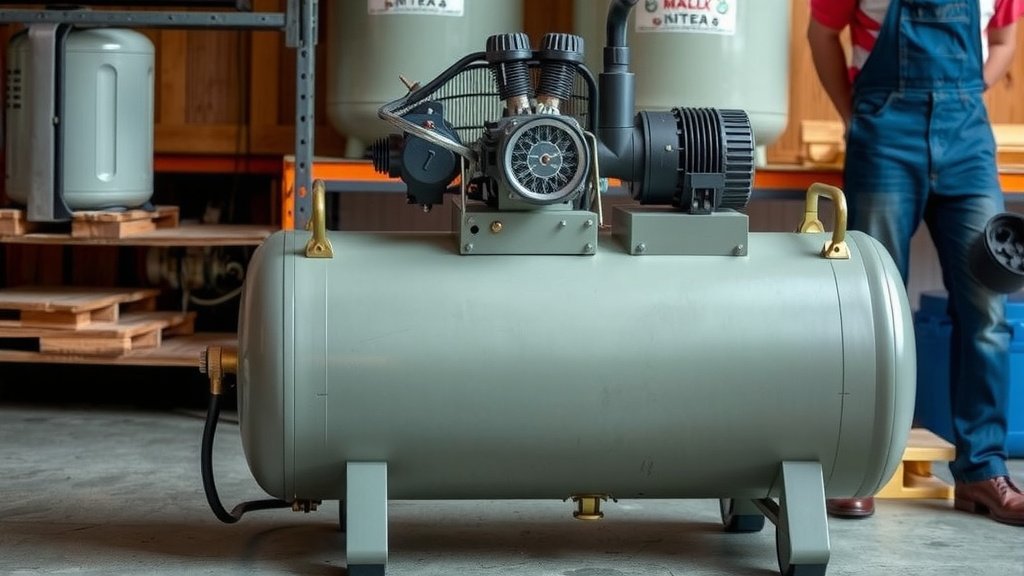
The tank is like the lungs of the compressor. Look for signs of rust, especially around the bottom and drain valve. If you see rust bubbling up or holes, walk away. Also, make sure the drain valve works. It should open and close smoothly. You’ll need to drain the tank regularly to prevent moisture buildup.
Motor and Electrical Components
Inspect the power cord for any fraying or damage. The motor housing should be clean and free of excessive dirt or oil. If the compressor has an oil-lubricated motor, check the oil level and color. Dark, sludgy oil can indicate poor maintenance. Oil-free compressors are often quieter but might have a shorter motor lifespan. We found that many experts suggest checking the capacitor if the motor struggles to start.
Accessories and Extras
Does it come with a hose, a regulator, or any air tools? These extras can add to the overall value. However, don’t let them sway you too much if the compressor itself isn’t sound. A working regulator is a great find, though! It allows you to control the air pressure for different tools.
Your Used Air Compressor Checklist
To make sure you don’t miss anything, keep this handy when you go to check out a used air compressor:
- Listen: Any strange noises during startup or operation?
- Look: Check for rust, dents, or damage on the tank and motor.
- Feel: Ensure all knobs and valves turn smoothly.
- Smell: Does it smell burnt or like old oil?
- Test: Can you run it to check pressure buildup and listen for leaks?
- Ask: What’s its history? Has it been serviced?
Conclusion
You’ve learned that buying a used air compressor can be a smart way to save money for your projects. Remember, the price typically ranges from $50 to $500, depending on size, condition, and brand. We found that careful inspection is your best friend when buying used. Always check for performance issues, leaks, and tank integrity before you buy.
Now you’re ready to find a great deal. Your next step is to start searching local marketplaces and online listings with your checklist in hand. With a little patience and a keen eye, you’ll find a used air compressor that meets your needs and your budget.
Frequently Asked Questions
What’s the absolute cheapest I might find a used air compressor?
You can sometimes find very small, basic used air compressors for as low as $50. We found these are usually older, portable models with low horsepower. They’re best for light tasks like inflating tires, not heavy-duty air tool use.
Is it risky to buy a used air compressor that’s 10+ years old?
Yes, buying a very old compressor can be risky. We found that units over a decade old might have a shorter remaining lifespan. Unless it was exceptionally well-maintained, you might face repairs sooner than with a younger model.
How can I tell if a used air compressor has internal leaks?
Listen carefully for any hissing sounds while the compressor is running and building pressure. A soapy water spray test on fittings and the tank can reveal small leaks. We found that persistent hissing indicates internal issues that could be costly.
Can I negotiate the price of a used air compressor?
Absolutely, negotiation is common when buying used. If you find minor issues during your inspection, like a small leak or worn hose, use that as a basis for a lower offer. We found that sellers are often willing to work with you.
What if the seller won’t let me test the used air compressor?
If a seller refuses to let you test the unit, it’s a major red flag. We advise walking away from such a deal. A reputable seller will usually allow a brief test to show the compressor works correctly.