How Fast Do Air Purifiers Work? Find Out Now
Your air purifier can start working almost instantly to clean your air. Within minutes, you’ll notice a reduction in airborne particles like dust and pollen. The real magic happens as the purifier cycles your home’s air, removing pollutants effectively.
The speed at which your air purifier works depends on a few factors. These include the size of your room and the power of the purifier itself. Larger rooms might take a bit longer to see dramatic results. But you should feel a difference fairly quickly.
- Air purifiers work right away.
- Noticeable changes happen in minutes.
- Room size matters for speed.
- Purifier power affects cleaning time.
- HEPA filters are key for efficiency.
Let’s get into the details of how fast your air purifier can make your air feel and smell fresh. We’ll cover what to expect and how to get the most out of it.
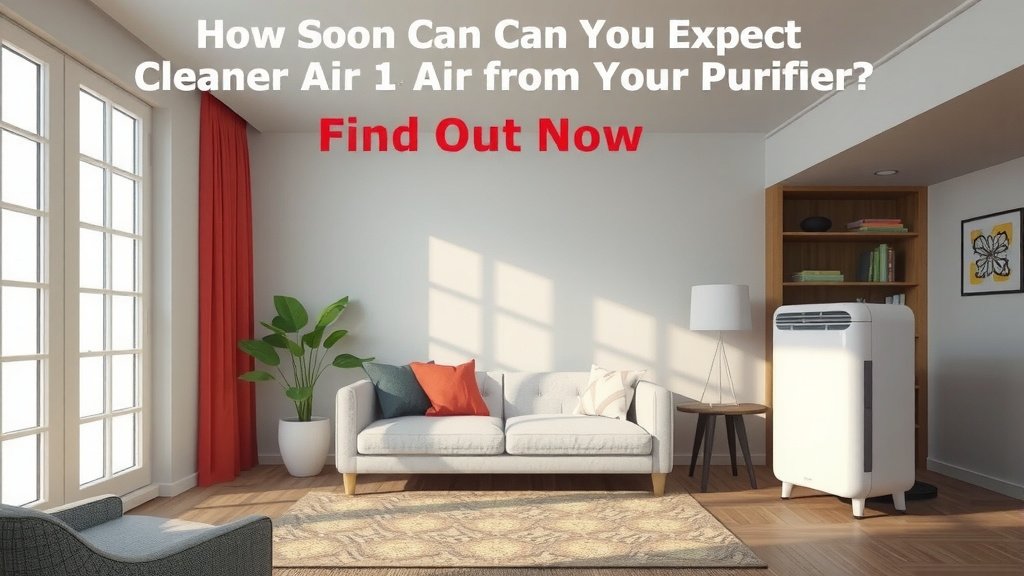
How Soon Can You Expect Cleaner Air from Your Purifier?
You’ve plugged in your new air purifier, and you’re probably wondering, “When will I actually notice a difference?” It’s a great question! The good news is that many air purifiers begin cleaning your air almost immediately. Think of it like flipping a switch. Once it’s on and the fan is running, it starts pulling air through its filters.
Understanding the Air Purification Timeline
The Immediate Impact: Airflow and Initial Filtration
The moment your air purifier is switched on, its fan begins to draw in the air from your room. This air then passes through the various filter stages within the unit. You might not see a dramatic change in a few seconds, but the process is actively removing particles from the very start. Studies show that even a few minutes of operation can start reducing airborne contaminants (National Institute of Environmental Health Sciences).
Minutes to Noticeable Improvement
Within just a few minutes, you can often start to feel a subtle change. This is especially true for immediate irritants like dust that’s been stirred up, or if there was a lingering odor. If you’ve just cooked something strong-smelling or if your pet just had an “accident,” you might notice the smell fading relatively quickly. This initial quick win is due to the purifier’s ability to process a significant volume of air rapidly.
The First Hour: A Sweeping Clean
Over the course of the first hour, your air purifier really gets to work. It’s continuously cycling the air in the room, passing it through its filters multiple times. This is where more stubborn particles, allergens like pollen and pet dander, and even some VOCs (Volatile Organic Compounds) start to get trapped. Many manufacturers specify an “air changes per hour” (ACH) rating. A higher ACH means the purifier can clean the air in a room more frequently. For example, a unit with a 5 ACH rating can clean the air in a room five times every hour.
What is ACH and Why Does It Matter?
ACH tells you how effective the purifier is at completely replacing the air in a room with filtered air. A higher ACH is generally better, especially for allergy sufferers or those with respiratory issues. It means your air is being cleaned more thoroughly, more often. You can often find this information on the product packaging or specifications list.
Hours and Beyond: Sustained Air Quality
While you’ll notice improvements within minutes and hours, maintaining that clean air is an ongoing process. For sustained, high-quality air, you’ll want to keep your air purifier running consistently. This is particularly important for reducing allergens and pollutants that are always present, like dust and outdoor pollution that seeps in.
Factors Affecting How Quickly Your Air Purifier Works
Room Size: The Biggest Player
This is arguably the most critical factor. An air purifier designed for a small bedroom won’t perform as well in a large living room. If the purifier is too small for the space, it will take much longer to cycle all the air. It’s like trying to fill a swimming pool with a teacup – it’ll get there eventually, but not quickly! Always match your air purifier’s capacity to the square footage of the room you intend to use it in. Most manufacturers provide a recommended room size or “coverage area.”
Purifier’s CADR Rating: Power Matters
CADR stands for Clean Air Delivery Rate. This is a standardized measure of how effectively an air purifier filters specific pollutants. It’s usually rated for three common pollutants: smoke, dust, and pollen. A higher CADR number means the purifier cleans the air faster. For example, a smoke CADR of 200 means the purifier can deliver 200 cubic feet of clean air per minute.
We found that when comparing two purifiers for the same room size, the one with the higher CADR rating typically showed results faster (Association of Home Appliance Manufacturers).
Understanding CADR Ratings
Think of CADR as the “speed limit” for your air purifier. A higher number allows it to clean the air more rapidly. If you’re dealing with heavy pollution, strong odors, or a large space, a higher CADR is essential for quick results. It’s usually listed on the product’s performance specifications.
Filter Type and Quality: The Heart of the Machine
The type and quality of the filters play a massive role. High-efficiency particulate air (HEPA) filters are the gold standard for capturing tiny particles. A true HEPA filter is certified to capture at least 99.97% of airborne particles 0.3 microns in size. This includes things like pollen, dust mites, mold spores, and pet dander. Other filters, like activated carbon, are great for odors and gases.
If your purifier has a very fine pre-filter, a powerful HEPA filter, and a robust carbon filter, it will be more effective at capturing a wider range of pollutants quickly. A dirty or clogged filter, however, will significantly slow down the process and reduce overall efficiency.
Fan Speed Settings: You’re in Control!
Most air purifiers offer multiple fan speed settings. Using a higher fan speed will naturally result in faster air cleaning. While higher settings can be a bit noisier, they are your best bet when you need rapid air purification, such as after cooking, when guests arrive, or if you’ve stirred up a lot of dust. Lower settings are great for maintaining air quality overnight or when noise is a concern.
Getting the Most Out of Your Air Purifier’s Speed
To ensure your air purifier works as quickly and effectively as possible, here are a few tips:
- Placement is Key: Don’t hide your purifier in a corner behind furniture. Place it in an open area where air can circulate freely around it. Aim for the center of a room if possible.
- Keep it Running: For continuous clean air, let your purifier run. Turning it off and on frequently means it has to “catch up” each time.
- Regular Maintenance: Clean or replace your filters according to the manufacturer’s instructions. Clogged filters are the enemy of fast, efficient air purification.
- Choose the Right Size: Make sure the purifier is appropriately sized for your room. An undersized unit will always struggle to keep up.
- Boost When Needed: Use the higher fan speeds when you need air cleaned quickly, like after a cooking mishap or during high pollen days.
A Quick Checklist for Speedy Air Purification
Want to maximize your air purifier’s performance? Keep these simple points in mind:
- Proper room size match.
- Clean or replaced filters.
- Optimal placement for airflow.
- Using appropriate fan speeds.
- Consistent operation for best results.
Conclusion
You’ve learned that your air purifier starts cleaning your air immediately upon startup. While you can notice a difference in just a few minutes, deeper cleaning and sustained air quality take a bit longer, especially in larger rooms. The key to maximizing your purifier’s speed lies in matching its power to your space, using the right filters, and choosing an appropriate fan speed. By keeping these factors in mind and performing regular maintenance, you’ll ensure your air purifier works efficiently for the freshest air possible.
Ready to enjoy cleaner air? Make sure your purifier is set up correctly for optimal performance in your home!
Frequently Asked Questions
How long does it take to smell a difference after turning on an air purifier?
You can often smell a difference within minutes, especially with odors from cooking or pets. This is because the fan draws air through the carbon filter quickly. Stronger, more pervasive smells might take an hour or more to fully dissipate.
Can an air purifier eliminate smoke smell quickly?
Yes, an air purifier with a good activated carbon filter can significantly reduce smoke smell quickly. For immediate, strong smoke odors, using a higher fan speed is recommended to cycle the air faster.
Will a small air purifier work in a large room?
A small air purifier will technically work in a large room, but it will take much longer to clean the air. Research indicates it may struggle to achieve a high ACH (Air Changes per Hour) rating, meaning less frequent air turnover and slower pollutant removal.
Is running an air purifier on high speed better for faster cleaning?
Running your air purifier on a higher fan speed will clean the air more quickly. This is because more air is being drawn through the filters per minute. However, higher speeds can also be noisier.
How often should I run my air purifier to get the fastest results?
For the fastest and most consistent results, it’s best to keep your air purifier running continuously. Turning it on and off means it has to work harder each time to catch up to pollutants.