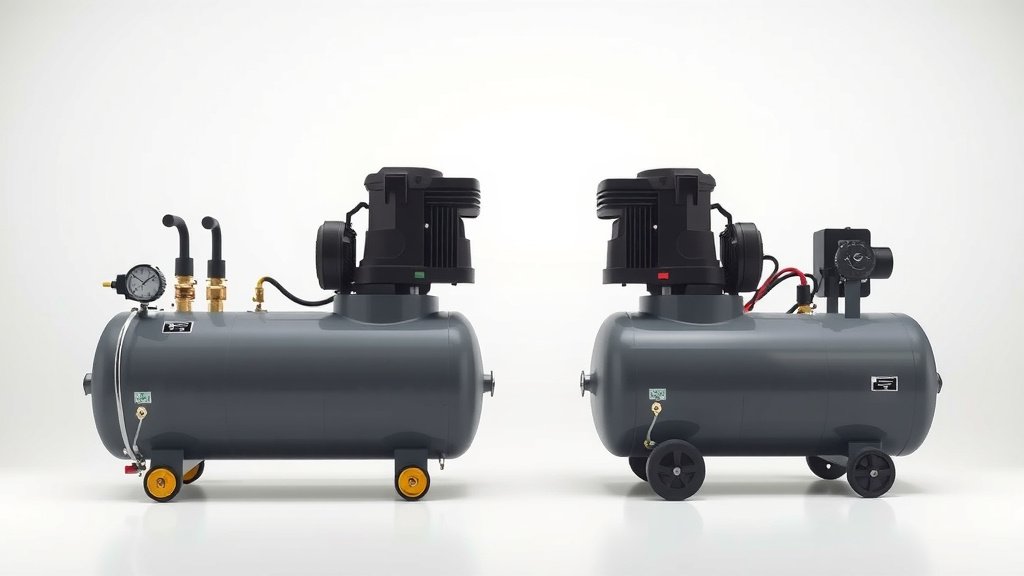
Twin Tank vs Single Tank Air Compressor: Which is Best
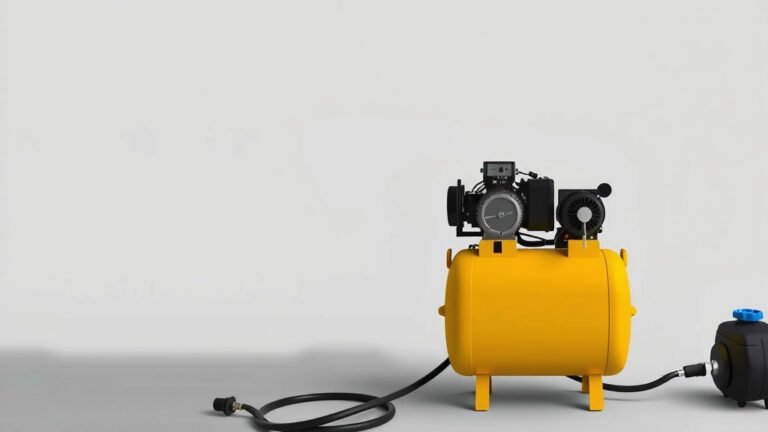
When choosing between a twin tank and single tank air compressor, the key difference lies in To understand compressor capabilities, learn about the difference between a 1 cylinder vs 2 cylinder air compressor.how much air you need and how consistently. A twin tank system offers a larger air reserve for demanding, continuous tool use, while a single tank is best for shorter bursts of activity.
Think of it like this: your air tools need a steady supply of compressed air to keep running. A twin tank compressor is like having a bigger gas tank for your car – it lets you go longer between “refills” (when the compressor has to kick on to rebuild pressure). This makes it ideal for jobs where you need air power for an extended period. A single tank is more like a personal water bottle; great for quick sips, but you’ll need to refill it more often for marathon sessions.
- Twin tanks store more air.
- They are better for continuous tool use.
- Single tanks are good for short bursts.
- Consider your tool’s air demands.
Let’s dive into the specifics of each type and figure out which one will be your garage’s new best friend.
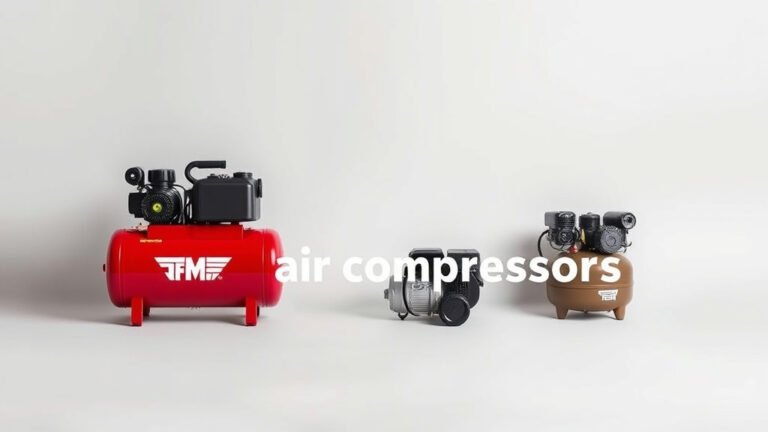
Twin vs. Single Tank Air Compressors: What’s the Real Difference?
Choosing between a twin tank and a single tank air compressor boils down to your air needs. We found that twin tank models are built for demanding jobs. They hold more compressed air. This means longer run times for your tools. Single tank compressors are better for lighter tasks. They don’t store as much air. Your compressor will cycle on more often. The choice between a 1 gallon vs 2 gallon air compressor depends on your specific needs.
Understanding Air Reserve: The Core Concept
Think of the air tank as the storage bin for compressed air. When you use an air tool, it draws air from this bin. The compressor’s motor then kicks in to refill the bin.
How Single Tanks Work for You
A single tank compressor has one storage area. When the air pressure drops, the motor starts. It fills the tank back up. This is great for tasks that use air in short bursts. Examples include nailing, stapling, or inflating tires.
You’ll notice the motor cycling more frequently. This is normal for a single tank. It’s a sign it’s doing its job. We found that for quick jobs, this is perfectly fine. It’s often more portable too. This makes it a good choice for DIYers.
The Advantages of Twin Tanks
Twin tank compressors feature two connected tanks. This doubles your air reserve. You get a much larger buffer of compressed air. This is a big deal for continuous use. Imagine running an impact wrench for an extended period. A twin tank system can handle that.
The motor cycles less often. This can lead to less wear and tear over time. Many professionals prefer them for this reason. We found that for jobs like painting or sandblasting, the extra air is essential. It prevents those annoying pauses.
Comparing Performance and Power Needs
Continuous vs. Intermittent Air Demand
Your tools dictate the type of compressor you need. Some tools need a constant stream of air. Others only need air for a few seconds at a time.
Continuous demand tools like paint sprayers or sanders will drain a single tank quickly. They require a steady supply of high-volume air. Twin tanks excel here. They provide that sustained airflow without constant motor interruptions.
Intermittent demand tools like nail guns or impact wrenches work in short bursts. They use a lot of air but not for long. A single tank can often keep up. The tool uses air, the pressure drops, the compressor refills. This cycle works well for these tools. We found that matching the compressor to your primary tool is key.
Horsepower and CFM: What They Mean for You
When looking at compressors, you’ll see horsepower (HP) and cubic feet per minute (CFM). These numbers matter. Horsepower indicates the motor’s power. CFM tells you how much air the compressor can deliver per minute. Higher CFM is generally better.
Twin tanks often come with higher HP motors. This helps them refill the larger air volume quickly. They also tend to have higher CFM ratings. This directly relates to how well your tools will perform. Tools with higher CFM needs will run better with a more powerful compressor.
| Feature | Single Tank Compressor | Twin Tank Compressor |
|---|---|---|
| Air Reserve | Smaller | Larger |
| Ideal For | Short bursts, DIY, portability | Continuous use, professional jobs |
| Motor Cycling | More frequent | Less frequent |
| Portability | Generally more portable | Often less portable |
| Cost | Typically less expensive | Often more expensive |
Portability and Storage Considerations
Ease of Movement
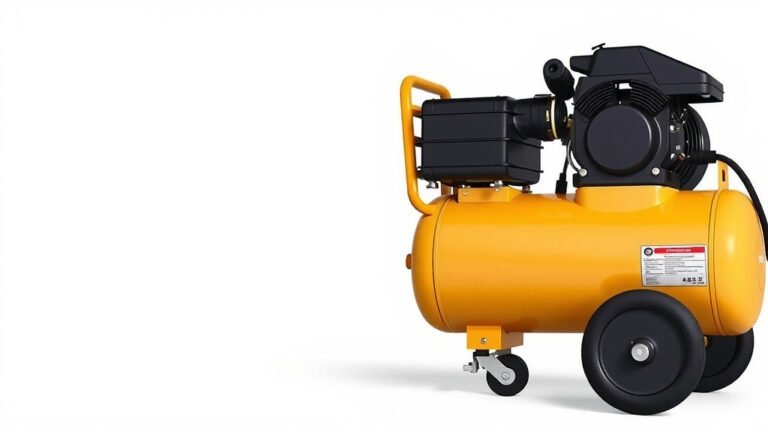
Single tank compressors are usually lighter and more compact. Many have wheels and handles. This makes them easy to move around your garage or job site. If you need to take your compressor to different locations, portability is a major factor. We found that for mobile mechanics or hobbyists who work in various spots, a single tank is often preferred.
Space Requirements
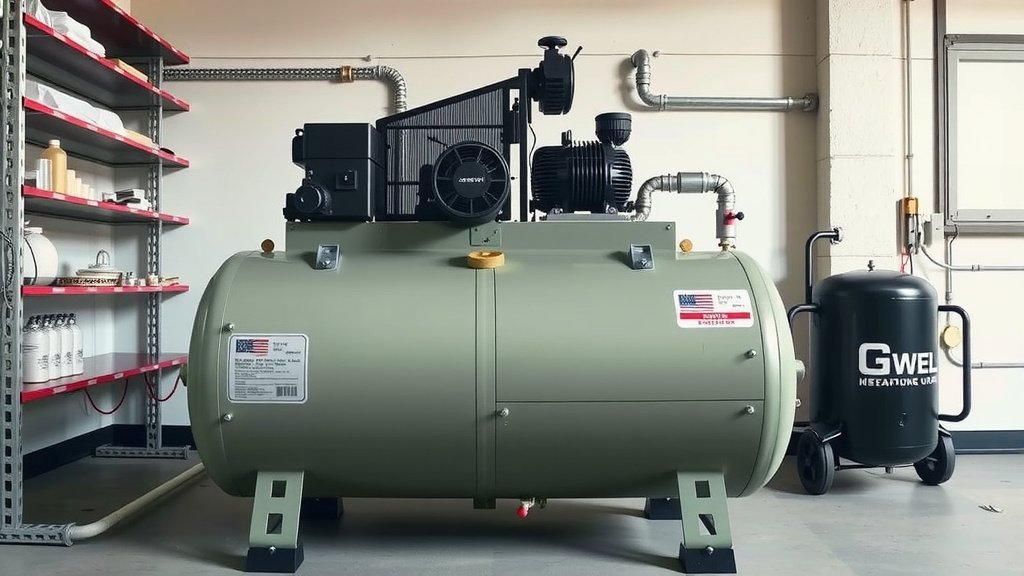
Twin tank units, with their larger capacity, tend to be bulkier. They require more floor space in your workshop or garage. If space is limited, this could be a deciding factor. Think about where you’ll store it when not in use. Is there enough room for a larger unit?
Noise Levels: A Factor for Your Workspace
Air compressors can be loud. We found that noise levels can vary significantly between models and types. Generally, larger compressors with bigger motors might produce more noise. However, some newer designs incorporate noise-reduction technology.
Consider your neighbors or anyone else who might be affected by the noise. If you work in a residential area or have a home workshop, this is something to think about. Some twin tank models might run for longer periods between cycles, but the overall noise might still be substantial.
Cost and Long-Term Investment
Typically, single tank compressors are less expensive upfront. They are a more budget-friendly option for those just starting out or for occasional use. You can find good quality single tank units at reasonable prices.
Twin tank compressors usually represent a larger initial investment. They often use more powerful motors and have more robust construction. However, for professionals or serious hobbyists, the increased performance and durability can make them a worthwhile long-term investment. Think about how much you’ll use it. This can help justify the cost.
Making Your Final Choice: A Quick Checklist
Here’s a simple way to summarize your decision-making process:
- Assess your tools: What are their air demands (CFM)?
- Consider your projects: Will you use them continuously or in short bursts?
- Think about portability: Do you need to move it often?
- Evaluate your space: How much room do you have for storage?
- Set your budget: How much are you willing to invest?
- Noise tolerance: How sensitive are you and your surroundings to noise?
By answering these questions, you can zero in on the right compressor for your needs. We found that understanding your workflow makes all the difference.
You’ve now seen how twin tank and single tank air compressors differ. Your choice depends on your projects and tools. For quick tasks like nailing or inflating, a single tank is often sufficient and more portable. If you need a consistent air supply for painting, sandblasting, or longer use, a twin tank is your best bet. We found that matching the compressor’s capabilities to your specific needs prevents frustration. Take a moment to review your most common air tool uses and make an informed decision. This will ensure you get the right compressor to power your work efficiently.
Frequently Asked Questions
Can a single tank compressor be used for painting?
A single tank compressor can be used for painting, but it’s best suited for very small touch-up jobs or airbrushing. For larger projects or continuous spraying, you’ll likely experience the compressor cycling on and off frequently, which can interrupt your workflow and affect the paint finish. A twin tank offers a larger air reserve for a more consistent flow.
Will a twin tank compressor wear out faster because it’s bigger?
Not necessarily. While twin tank compressors have larger tanks, their motors tend to cycle less often. This reduced cycling can actually lead to less wear and tear over time compared to a single tank that has to kick on more frequently. We found that the less frequent motor engagement is a key benefit for longevity.
How do I know if my tools need a twin tank compressor?
You can usually tell if your tools require a twin tank by their CFM (cubic feet per minute) rating and how long you use them continuously. Tools with higher CFM demands, or those you use for extended periods without stopping (like sanders or paint sprayers), will benefit most from the larger air reserve of a twin tank. Check your tool’s manual for its air consumption needs.
Are single tank compressors louder than twin tanks?
Noise levels can vary greatly by model, regardless of tank type. However, since single tank compressors cycle on more often, you might perceive them as louder due to the frequent start-up sounds. Twin tanks might run for longer durations when they are on, but the overall number of times the motor starts might be lower. It’s wise to check specific model decibel ratings if noise is a major concern.
Is a twin tank compressor always more expensive than a single tank?
Generally, yes, twin tank compressors are more expensive upfront. This is because they typically have larger tanks, more powerful motors, and are built for more demanding applications. However, consider the long-term value; if you’re a professional or a serious hobbyist, the increased performance and durability of a twin tank can justify the higher initial cost.