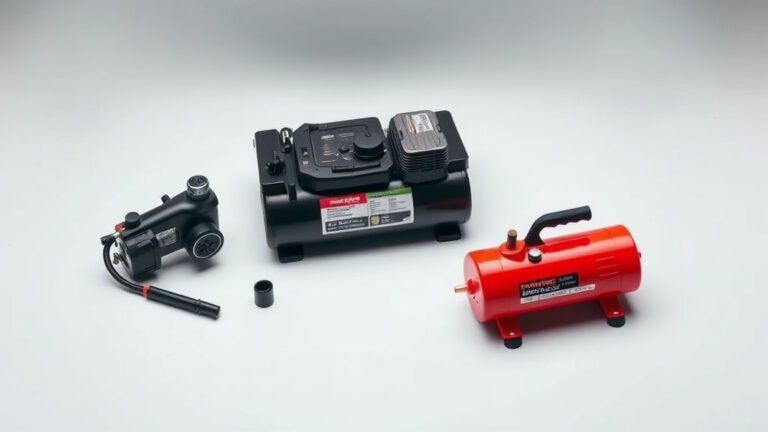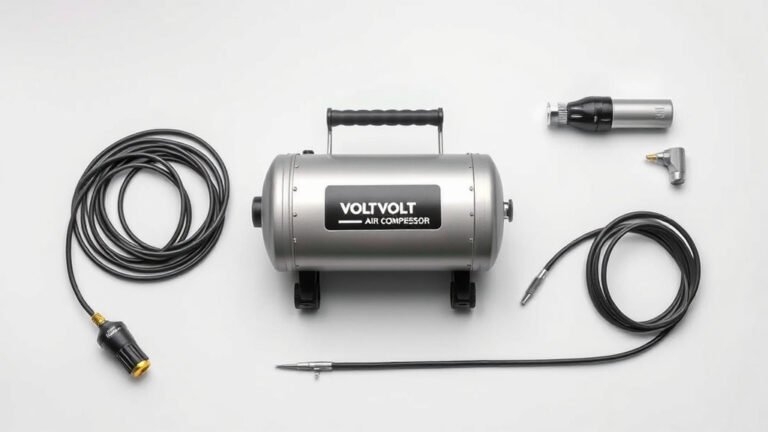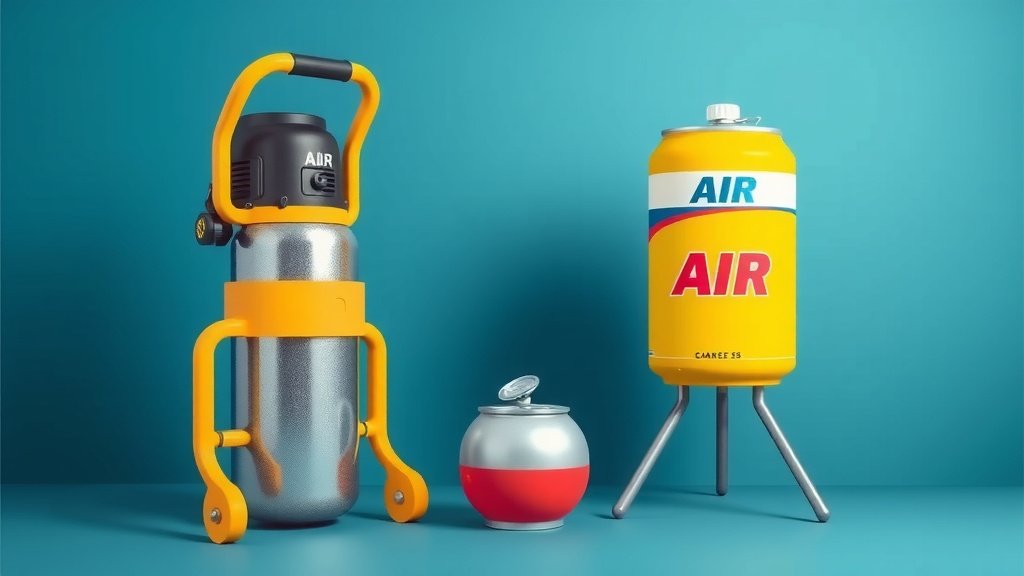
Air Compressor vs Canned Air: Which is Best for You
For cleaning dust and debris, a powered air compressor is generally the better choice over canned air. While canned air offers portability, an air compressor provides more consistent blowing power and is more cost-effective in the long run.
When deciding between these two cleaning methods, consider your typical needs. Canned air is great for quick touch-ups on electronics. But for larger jobs or regular use, an air compressor offers superior performance and reduced waste. We’ve researched both options to help you make the best decision for your situation.
- Air compressors offer more consistent power.
- Canned air is convenient for small, occasional jobs.
- An air compressor is more economical over time.
- Consider your cleaning frequency and location.
Let’s walk through the key differences and help you figure out which might be the right fit for your cleaning tasks. Choosing the right gallon air compressor means matching its tank size and CFM output to your specific applications.
Choosing the Right Blower: Air Compressor vs. Canned Air
When dust bunnies stage a hostile takeover of your electronics or workspace, you need a way to blast them out. Two common choices come to mind: the trusty canned air and the more robust air compressor. We’ve researched both to help you decide which tool is your dust-busting best friend.
Understanding Canned Air: The Go-To for Quick Jobs
You’ve probably seen it. That little can of compressed gas, often found near computer keyboards. It’s designed for one thing: a quick burst of air to clear away light dust.
How Does Canned Air Work?
Inside the can is a liquefied gas, usually a hydrofluorocarbon. When you press the nozzle, the liquid vaporizes rapidly. This creates a powerful, albeit short-lived, puff of air. Think of it like opening a soda bottle – that hiss is pressurized gas escaping!
The Pros of Canned Air
- Portability: These cans are small and light. You can easily toss one in a bag or drawer.
- Convenience: No setup required. Just point and shoot. It’s perfect for a quick clean-up.
- Availability: You can find canned air at almost any electronics store or office supply shop.
The Cons of Canned Air
While convenient, canned air has its limitations. The biggest drawback is the inconsistent power. You get a strong blast at first, but it fades quickly.
You might also notice a chilling effect. This is because the gas inside expands rapidly, making the can cold. Spraying too long can result in a messy spray of liquid propellant. This can damage sensitive electronics. Plus, those cans aren’t exactly eco-friendly. You’re constantly buying and discarding them.
Exploring Air Compressors: Power for Bigger Tasks
An air compressor is a more serious piece of equipment. It’s designed to provide a continuous and controlled stream of compressed air.
How Air Compressors Operate
An air compressor uses a motor to drive a piston or diaphragm. This process draws in ambient air and compresses it into a storage tank. When you need air, you open a valve, and the compressed air is released. This system allows for a steady, reliable airflow.
The Advantages of an Air Compressor
- Consistent Power: Unlike canned air, compressors deliver a steady stream of air. This is great for thorough cleaning.
- Cost-Effectiveness: While the initial investment is higher, you save money over time. No more buying disposable cans.
- Versatility: Air compressors can power many other tools. You can use them for inflating tires, running nail guns, and more.
- Reduced Waste: You’re not contributing to landfill waste with empty cans.
The Drawbacks of Air Compressors
Air compressors are not as portable as a can. Even smaller models can be bulky. They also require electricity to run. Noise can be another factor; some compressors can be quite loud.
There’s also a learning curve. You need to understand how to use the different nozzles and manage the air pressure. It’s a bigger commitment than just grabbing a can.
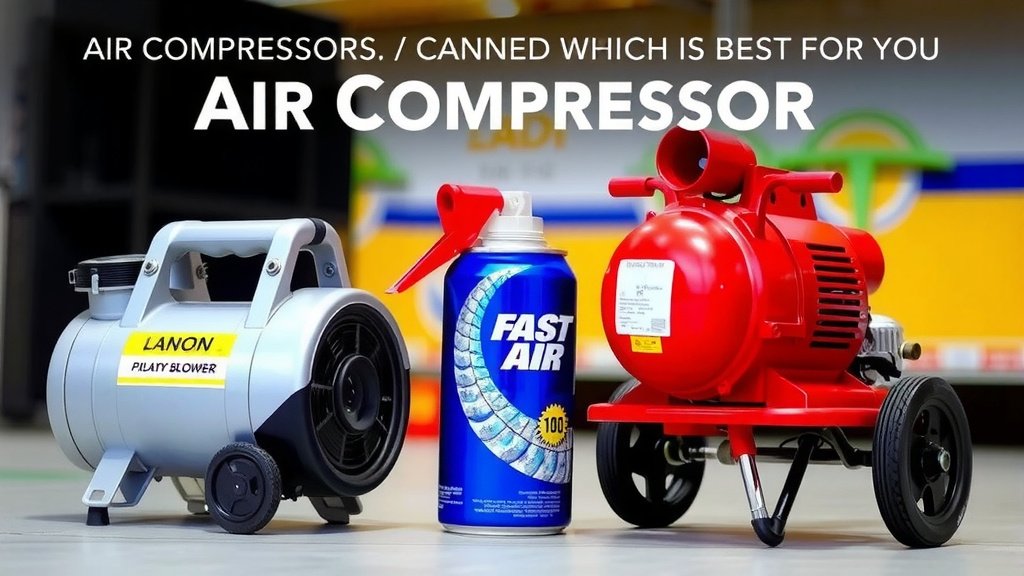
Comparing Performance and Practicality
When it comes down to it, performance is key. Let’s break down how they stack up side-by-side.
Power and Control
For delicate electronics, a gentle, controlled puff is ideal. Canned air can offer this initially, but it’s unpredictable. An air compressor, especially with adjustable nozzles and pressure regulators, provides precise control. You can tailor the airflow to the job at hand.
We found that for tasks requiring sustained airflow, like cleaning out a computer tower or a dusty workshop, the air compressor is clearly superior. Canned air struggles to keep up.
Long-Term Cost Analysis
Think about how often you clean. If it’s just a few times a year for a quick keyboard dusting, canned air might seem cheaper initially. However, the cost adds up. A can of compressed air might cost $5-$10. If you go through a few cans a year, it’s an ongoing expense.
A basic home air compressor can cost $100-$200. While that’s a larger upfront cost, it lasts for years. You’re essentially paying for the tool itself, not for a consumable product. Many experts agree that for regular use, an air compressor is the more economical choice in the long run.
Environmental Impact
This is an area where air compressors shine. Canned air generates waste with every can discarded. The propellants themselves can also have environmental concerns, though newer formulations are often better. An air compressor, powered by electricity, has a more direct environmental footprint, but it’s a one-time purchase with minimal ongoing waste.
Making Your Decision: What’s Your Dust Situation?
So, which one is right for you? It really depends on your specific needs.
Quick Fixes vs. Deep Cleans
If your cleaning needs are minor and infrequent, like dusting a phone screen or a small remote control, canned air might suffice. It’s there when you need it for a small, on-the-spot job.
However, if you’re cleaning computer components, workshop tools, musical instruments, or any area that collects significant dust, you’ll want the power and consistency of an air compressor. It’s better suited for thorough, regular cleaning.
A Checklist for Your Choice:
- How often do you need to clean dust? (Daily, weekly, monthly, rarely?)
- What types of items do you usually clean? (Electronics, tools, large areas?)
- Do you need consistent, strong airflow, or just a quick puff?
- Is portability a major factor for you?
- What is your budget for cleaning supplies?
- Are you concerned about long-term costs and waste?
Considering Other Options ( briefly )
While we’re focusing on canned air and compressors, it’s worth noting that other tools exist. Soft brushes and microfiber cloths are essential for many cleaning tasks. For electronics, these manual methods are often the first step before using an air blower.
Some electric dusters are also available. These look like small hairdryers and provide a constant stream of air without the chemicals or cold spray of canned air. They can be a good middle ground if an air compressor seems too much.
Conclusion
Deciding between an air compressor and canned air really boils down to your cleaning routine. For quick, occasional dusting, a can might work. But for consistent power and long-term savings, an air compressor is the clear winner. We found that its steady airflow tackles tougher jobs better. Plus, you’ll significantly reduce waste and ongoing costs. So, consider your cleaning frequency and the scale of your tasks. If you’re ready for superior dust removal and a more economical approach, it’s time to explore air compressor options.
Frequently Asked Questions
Can I use an air compressor to clean my keyboard?
Yes, absolutely! An air compressor is excellent for cleaning keyboards. You can use a low pressure setting and a narrow nozzle to blow dust out from between the keys without damaging them. Just ensure the air is clean and dry.
Is canned air bad for electronics?
Canned air can be risky if used improperly. Spraying too close or for too long can cause the propellant to spray out as a liquid, which can damage sensitive electronic components. The rapid cooling effect can also be problematic.
How often do I need to replace canned air?
This depends on your usage. If you only use it for very brief bursts, a can might last you several months. However, if you use it frequently or for longer periods, you might go through a can in just a few cleaning sessions, making it a recurring expense.
Are air compressors noisy?
Yes, air compressors can be noisy. The motor and pump working together generate sound. Smaller, portable compressors tend to be quieter than larger industrial models, but ear protection might still be a good idea during extended use.
What’s the most economical choice for regular cleaning?
For regular and thorough cleaning, an air compressor is far more economical in the long run. While the initial purchase price is higher, you avoid the continuous cost of buying disposable cans. The air compressor is a one-time investment that pays for itself over time.