Compressed Air vs Air Compressor: Which is Right For You
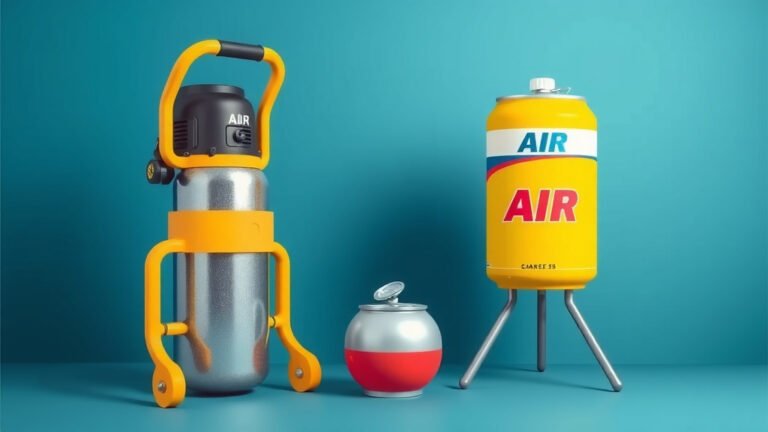
Compressed air and air compressors are related but **not the same thing**. An air compressor is a machine that creates compressed air. Compressed air is simply air that has been squeezed into a smaller space. You need an air compressor to make compressed air for most tools and applications. Think of the compressor as the engine and compressed air as the fuel.
Understanding this difference is key for anyone looking to power tools or set up pneumatic systems. Many people use the terms interchangeably, which can lead to confusion. We found that knowing their distinct roles helps you choose the **right equipment** for your needs. This distinction matters for everything from DIY projects to industrial settings.
- Air Compressor: The machine that makes compressed air.
- Compressed Air: Air that’s been squeezed into a smaller volume.
- Relationship: You need a compressor to get compressed air.
- Key Difference: One is the tool, the other is the output.
Let’s break down exactly what each term means and how they work together so you can get a clear picture.
Understanding Air Compressors and Compressed Air
Let’s clear up the common confusion between an air compressor and compressed air. Think of it like a car and gasoline. The car is the machine you use, and gasoline is the fuel it needs to run. An air compressor is the machine, and compressed air is the “fuel” it produces. You can’t have compressed air for your tools without an air compressor.
We found that many people use these terms interchangeably. This can make it tricky when you’re shopping for equipment. Knowing the difference helps you make the **right choice** for your projects. It ensures you get the power you need.
What Exactly is an Air Compressor?
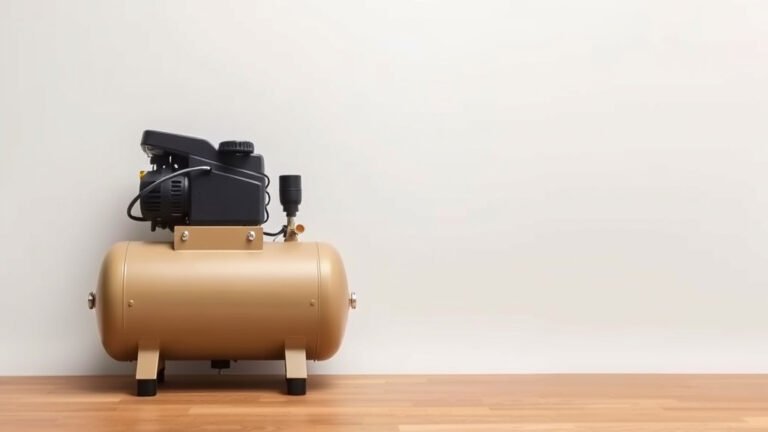
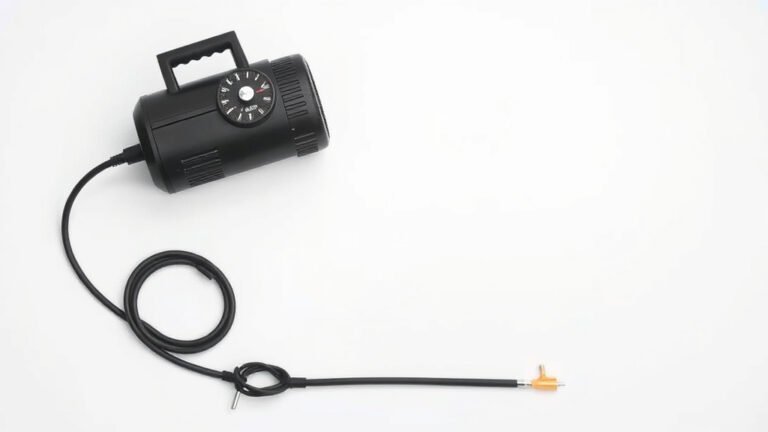
An air compressor is a mechanical device. Its main job is to take in ambient air. Then, it squeezes that air into a smaller volume. This process increases the air’s pressure. It’s essentially a pump for air. Many types of compressors exist, each designed for different jobs.
How Does an Air Compressor Work?
Most air compressors work by using a piston and cylinder. This is similar to an engine in a car. The piston moves up and down within the cylinder. This movement draws air in. Then, it compresses the air. The compressed air is then pushed out. This higher-pressure air is what you use for tools.
Components of a Typical Air Compressor
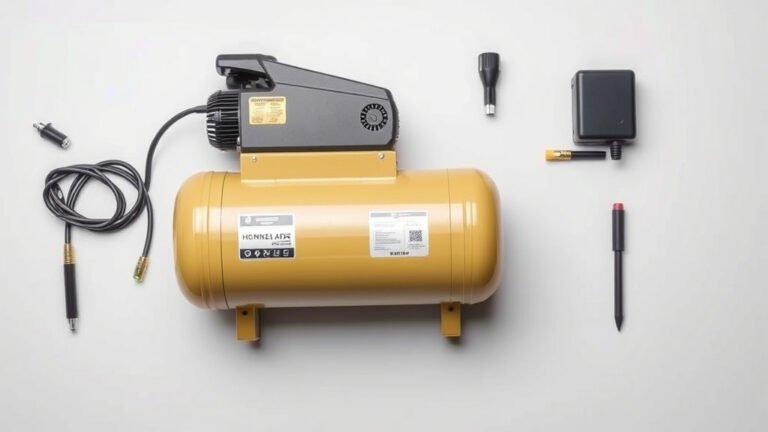
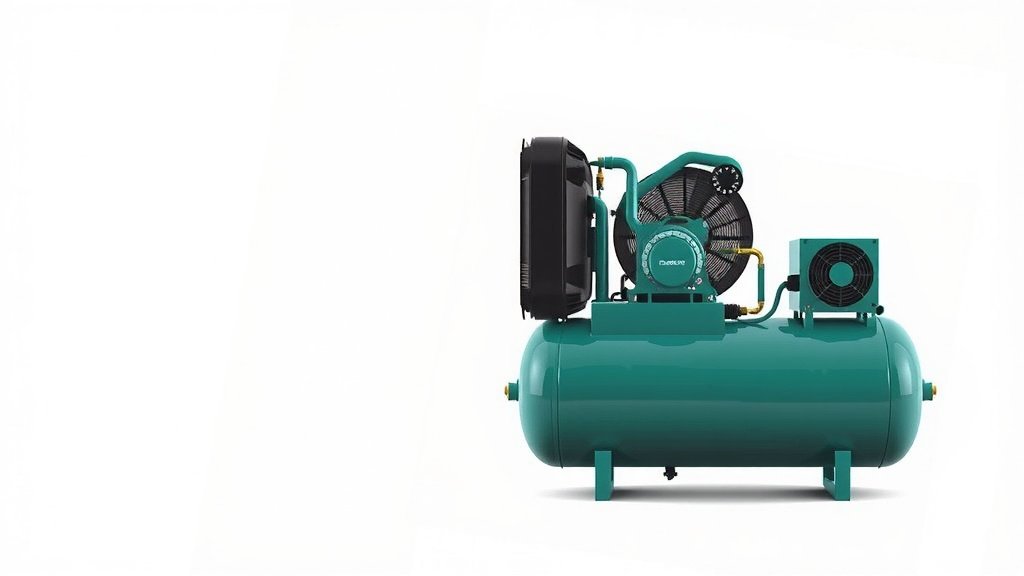
Key parts include the motor or engine. This provides the power. There’s also the pump (often a compressor head). A storage tank holds the compressed air. Many also have regulators to control pressure. Safety valves are also vital. They prevent over-pressurization. We found that understanding these parts can help you troubleshoot issues.
Types of Air Compressors
Compressors come in various forms. The most common for home use are **reciprocating compressors**. These use pistons to compress air. They can be single-stage or two-stage. Two-stage compressors offer higher pressure. For industrial use, rotary screw compressors are popular. They are efficient for continuous operation. We found that the type you need depends heavily on your power requirements.
What is Compressed Air?
Compressed air is simply air that has been **squeezed** into a smaller space. Normal air around us is at atmospheric pressure. When you compress air, you increase its pressure. This stored energy is what powers pneumatic tools. Think of it as stored force.
The Properties of Compressed Air
Compressed air has several useful properties. It’s a **clean power source**. It doesn’t generate sparks like electricity can. This makes it safe for use in hazardous environments. It can also be very powerful. Many experts say its clean nature is a major advantage (National Institute for Occupational Safety and Health).
Why is Compressed Air So Useful?
Compressed air is incredibly versatile. It’s used in countless applications. From inflating tires to running powerful industrial machinery. Its consistent pressure makes it reliable for repetitive tasks. We found that its ability to deliver bursts of power is unmatched by many other energy sources.
Common Uses of Compressed Air
You’ll find compressed air used for:
- Powering nail guns and impact wrenches.
- Inflating tires on cars and bicycles.
- Cleaning dust and debris from surfaces.
- Operating robotic arms in factories.
- Spray painting and sandblasting.
- Running dental drills and surgical tools.
The Relationship: How They Work Together
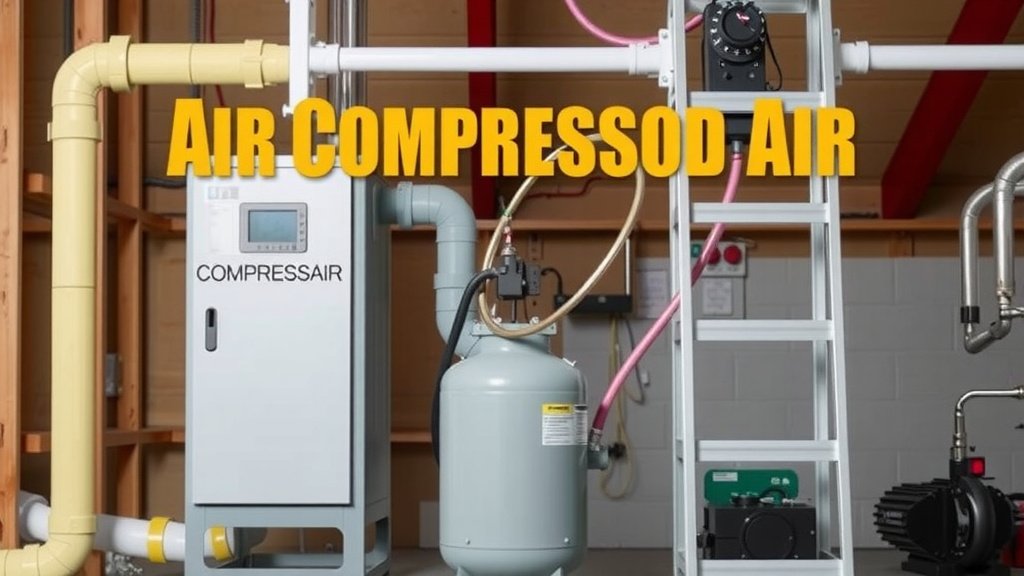
The air compressor is the **generator** of compressed air. Without a compressor, you can’t get the high-pressure air needed for most tools. The compressor takes regular air, increases its pressure, and delivers it. This pressurized air is then stored in a tank for later use.
Choosing the Right Compressor for Your Needs
Selecting the right air compressor depends on what you want to power. Consider the **CFM (Cubic Feet per Minute)** rating. This measures the volume of air the compressor can deliver. Also, look at the **PSI (Pounds per Square Inch)**. This indicates the pressure it can produce. Tools have specific CFM and PSI requirements.
Matching Tools to Compressor Specifications
For example, a small air-powered inflator needs very little air. A large impact wrench or a sandblaster requires much more. You need a compressor that can meet or exceed the tool’s demands. Many tool manufacturers provide these specifications. We found that under-powering your tools is a common mistake.
| Compressor Type | Common Uses | Portability | Power Source |
|---|---|---|---|
| Pancake/Single Stage | DIY, small tasks, inflation | High (portable) | Electric |
| Twin Stack | Home garage, light shop use | Medium | Electric |
| Vertical Stationary | Medium to heavy shop use | Low (stationary) | Electric or Gas |
| Rotary Screw | Industrial, continuous use | Very Low (stationary) | Electric |
Key Differences at a Glance
It’s easy to get these terms confused. Let’s summarize the core distinction. One is the **source of power**, and the other is the **power itself**. You buy a compressor to create compressed air.
Actionable Checklist: Getting Your Air System Ready
Are you ready to tackle your project? Here’s a quick checklist:
- Identify the tools you’ll use.
- Note their CFM and PSI requirements.
- Research air compressors that meet these needs.
- Consider tank size for continuous operation.
- Ensure you have the right hoses and fittings. Ensure you have the right hoses and fittings; our guide to 1/4 vs 3/8 air compressor hose can help.
- Always check safety guidelines before use.
Conclusion
You now understand the key difference: an air compressor is the machine, and compressed air is the power it creates. This distinction helps you choose the right equipment for your projects. Whether you’re a DIYer or a professional, matching your tools’ needs to your compressor’s output is vital. We’ve seen how understanding CFM and PSI ensures your tools work efficiently. Now you can confidently select the compressor that best suits your applications and get your air system ready to go.
Frequently Asked Questions
Can I use compressed air without an air compressor?
No, you can’t create usable compressed air for tools without an air compressor. The compressor is the device that generates and pressurizes the air. You’ll need to invest in a compressor to get the compressed air needed for pneumatic tools and other applications.
What’s the difference between PSI and CFM?
PSI (Pounds per Square Inch) measures the air pressure, or how much force the air has. CFM (Cubic Feet per Minute) measures the volume of air the compressor can deliver over time. Your tools will have specific requirements for both to operate correctly.
How do I know which type of air compressor I need?
We found that the type of compressor depends on your intended use. For small tasks like inflating tires, a portable pancake compressor might be enough. For heavier jobs like running impact wrenches, you’ll need a larger unit with a higher CFM rating, possibly a stationary model.
Is compressed air safe to use around my home?
Yes, compressed air is generally very safe for home use. It doesn’t create sparks like electricity, making it a good choice for workshops where flammable materials might be present. Always follow safety guidelines for your specific tools.
Why do some air compressors have large tanks?
Larger tanks on air compressors store more compressed air. This is important for tools that use a lot of air quickly or for tasks that require continuous operation. The tank acts as a reservoir, allowing you to work longer without the compressor constantly running. Larger tanks on air compressors store more compressed air, and our guide to 1 gallon vs 2 gallon air compressors details tank sizes.