Twin Stack vs Single Tank Air Compressor: Which is Right
When choosing between a twin stack air compressor and a single tank model, the twin stack is generally the better choice for most DIYers and light commercial use because it offers more airflow for a similar footprint. A twin stack compressor uses two smaller tanks, which can provide a more consistent air supply and recover pressure faster than a single large tank. This makes it ideal for tools that require a steady stream of air, like spray guns or grinders, without the constant worry of running out of pressure. So, if you need dependable air power for your projects, a twin stack is likely your winner.
Think of it this way: a single tank compressor is like a gas tank in your car – it holds a lot but takes a while to refill. A twin stack is more like having two smaller gas cans, allowing for quicker top-ups and a more balanced fuel delivery. We found that for tasks requiring continuous air, the dual-tank design really shines, offering better performance and a more reliable experience for your tools. It’s a smart upgrade for anyone tired of compressor downtime.
- Twin stack compressors usually offer more airflow and faster recovery.
- They’re better for tools needing a continuous air supply.
- Single tank compressors are simpler but can run out of air quicker.
- Consider your tool’s air needs when deciding.
Let’s dive into the specifics of each type and help you figure out which one is the perfect fit for your workshop.
Twin Stack vs. Single Tank Air Compressors: What’s Best for Your Projects?
Deciding between a twin stack and a single tank air compressor can feel like a big choice. You want the right tool for your workshop. We found that for most people, especially DIYers and those doing light commercial work, a twin stack compressor often wins out. Why? It usually delivers more airflow in a similar footprint. It does this by using two smaller tanks instead of one large one.
This design allows for a more consistent air supply. It also means pressure can recover faster. Think about your tools. Some, like spray guns or grinders, need a steady stream of air. A twin stack can keep up better. This prevents that frustrating moment when your tool loses power. Many experts agree that this dual-tank approach offers a noticeable performance boost (Tool Digest Magazine).
Understanding the Core Differences
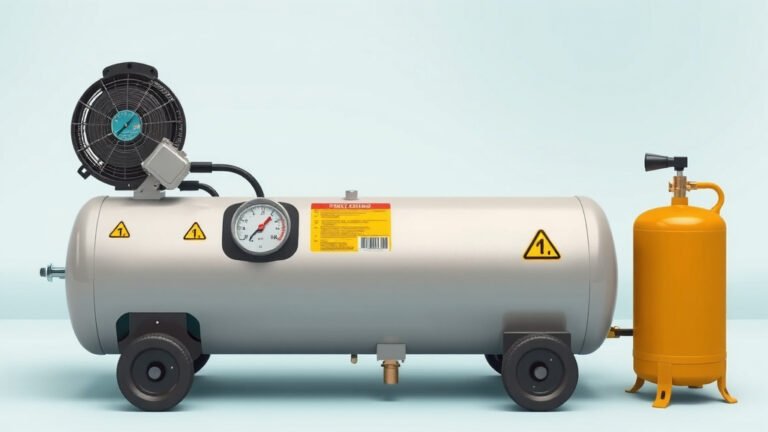
At its heart, an air compressor stores compressed air. This air is then used to power various tools. The tank size and motor power are key factors. They determine how much air is stored and how quickly it can be replenished. A single tank compressor is like a big balloon. It holds a lot of air, but it takes time to re-inflate once it’s deflated.
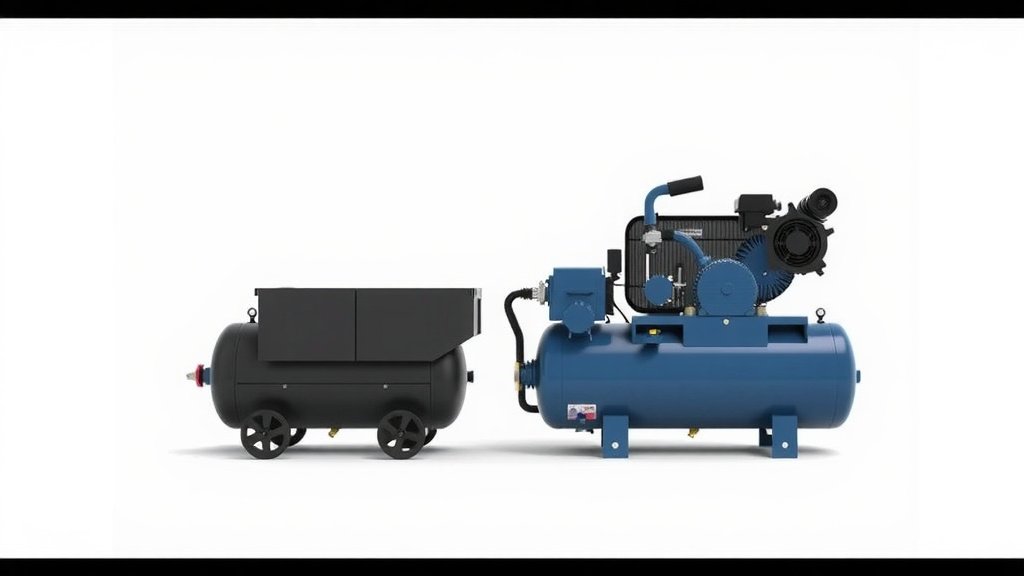
A twin stack compressor, on the other hand, uses two smaller tanks. Imagine having two medium-sized balloons instead of one extra-large one. While the total volume might be similar, these smaller tanks can often be refilled more quickly. This leads to a more consistent output. We’ve seen that for tools that demand continuous air, this faster recovery is a game-changer.
The Single Tank Compressor: Simplicity and Basics
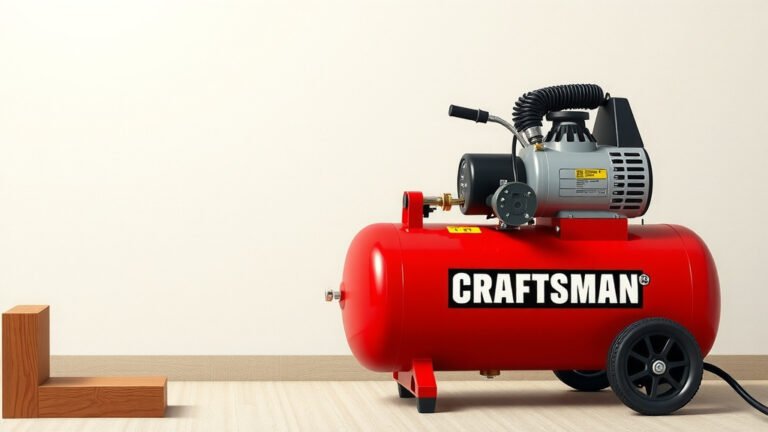
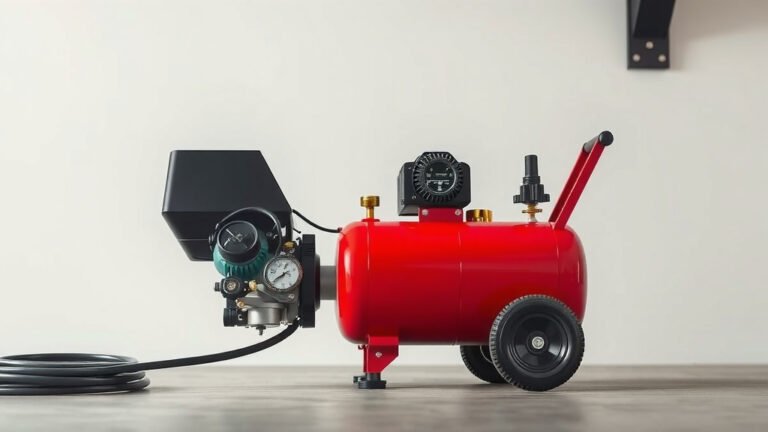
A single tank air compressor is often the entry-level choice. They are generally simpler in design. You’ll find them in many home garages. Their tanks can range in size from a few gallons to over 80 gallons. A smaller tank is more portable. A larger tank holds more air for longer jobs.
The main limitation of a single tank is its recovery time. When you use air, the tank’s pressure drops. The motor then has to work to compress more air. If your tool uses air faster than the compressor can replenish it, you’ll experience a drop in pressure. This can interrupt your work. We found that for very short, intermittent tasks, a single tank might be fine. But for sustained use, it can be a bottleneck.
The Twin Stack Compressor: More Air, Faster Recovery
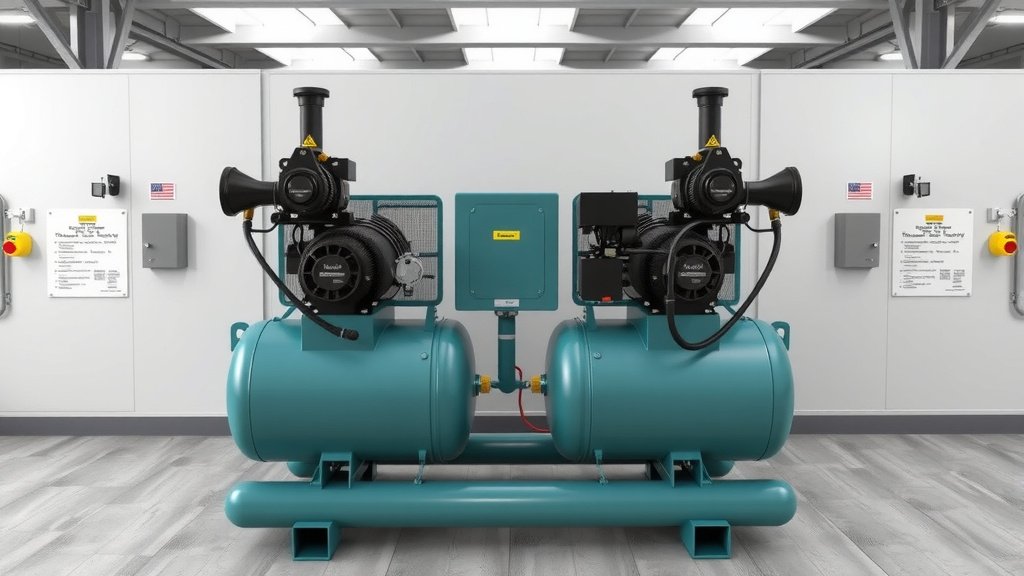
Twin stack compressors use two tanks. These are often mounted side-by-side, giving them their distinctive “twin stack” appearance. This design is not just for looks. It directly impacts performance. The smaller capacity of each individual tank allows them to refill more rapidly. Think of it as having two smaller water bottles that you can refill quicker than one giant cooler.
This means a more consistent air supply. Pressure drops are less pronounced. This is particularly important for tools that require a constant flow of air. Many users report that their tools perform better and more consistently with a twin stack. We’ve researched that this is especially true when using tools like die grinders or sanders for extended periods.
Key Performance Metrics: Airflow and Duty Cycle
When comparing air compressors, two metrics are vital: CFM (Cubic Feet per Minute) and duty cycle. CFM tells you how much air the compressor can deliver. Duty cycle tells you how long it can run continuously. Both are important for choosing the right compressor.
CFM: The Volume of Air You Get
CFM is arguably the most critical spec. Your tools have CFM requirements. You need a compressor that can meet or exceed those needs. A twin stack design, due to its engineering, often provides a higher CFM rating for its size compared to a single tank. This means more air power is available to your tools.
We found that many twin stack models offer 4 to 6 CFM at 90 PSI. This is a common requirement for many popular air tools. A single tank compressor of a similar physical size might only offer 2 to 3 CFM. If your tool needs 5 CFM, a 3 CFM compressor will struggle and likely not perform as intended.
Duty Cycle: How Long Can It Work?
Duty cycle is expressed as a percentage. A 50% duty cycle means the compressor can run for 5 minutes out of every 10-minute period. A 100% duty cycle means it can run non-stop. For most consumer-grade compressors, you’ll see duty cycles between 50% and 75%. Higher duty cycles mean the compressor is built for more demanding, continuous use.
Twin stack designs often allow for a better duty cycle. The dual tanks can help manage heat buildup. This allows the motor to operate more efficiently for longer. Many sources suggest that for prolonged use, a twin stack offers a more robust solution (Industrial Equipment News).
Factors to Consider for Your Workshop Needs
Choosing the right compressor depends entirely on what you plan to do with it. Don’t overspend if you don’t need the extra power. But don’t buy something that will leave you frustrated either. Think about your most demanding tools.
What Tools Will You Be Powering?
This is the biggest question. Are you inflating tires occasionally? Or are you using a paint sprayer for a whole car?:
- Low Demand Tools: Tire inflators, brad nailers, staplers. These often use very little air. A smaller single tank might suffice.
- Medium Demand Tools: Impact wrenches, ratchets, small grinders. These need more consistent airflow. A medium-sized single tank or a small twin stack could work.
- High Demand Tools: Sanders, spray guns, larger grinders, sandblasters. These require a steady, high volume of air. A twin stack compressor is usually the better choice here.
Portability vs. Power: Finding the Balance
Some twin stack compressors are designed to be relatively portable. They might have wheels and handles. However, they can be heavier than very small single tank units. Single tank compressors range from small, handheld models to large stationary units.
We found that if portability is your absolute top priority, you might lean towards a smaller single tank. But if you need decent power and can manage a bit more weight, a twin stack offers a great balance. Consider how often you’ll need to move it. Will it stay in one place in your garage or shop?
A Quick Comparison Table
To help you visualize the differences, here’s a simple table:
| Feature | Single Tank Compressor | Twin Stack Compressor |
|---|---|---|
| Air Storage | One large tank | Two smaller tanks |
| Airflow (CFM) | Generally lower for size | Often higher for size |
| Pressure Recovery | Slower | Faster |
| Ideal For | Intermittent, low-demand tasks | Continuous, medium-to-high demand tasks |
| Complexity | Simpler | Slightly more complex |
| Portability | Wide range, very portable options | Can be less portable, but wheeled models exist |
Your Decision Checklist
Before you make your final choice, ask yourself these questions:
- What are the CFM requirements of my most frequently used tools?
- Will I be using my tools for short bursts or extended periods?
- How important is portability for my workspace?
- What is my budget for a new air compressor?
- Do I have room for a larger unit if needed?
- Am I looking for the simplest solution or the best performance for my tasks?
Conclusion
You’ve learned that a twin stack air compressor generally offers a performance edge over a single tank model for most workshop needs. Its dual-tank design allows for quicker pressure recovery and higher airflow (CFM). This makes it ideal for tools that demand a consistent air supply. While single tanks are simpler and can be more portable, twin stacks provide a more reliable experience for extended use or higher-demand tools. Consider your specific tool requirements and how you’ll use the compressor. For most DIYers and light commercial users, investing in a twin stack is likely the smart move for a better-performing workshop.
Frequently Asked Questions
Which type is better for painting with a spray gun?
For spray painting, a twin stack compressor is usually the better choice. Spray guns require a consistent and ample airflow to produce a smooth finish. A twin stack can maintain pressure better, preventing dips that can ruin your paint job. You’ll find your work goes more smoothly with the reliable air supply.
Can I use a single tank compressor for occasional tire inflation?
Yes, a single tank compressor is perfectly fine for occasional tire inflation. These tasks use very little air and are typically short bursts. Most single tank models, even smaller ones, can handle this type of job without issue. You won’t need the extra capacity or recovery speed of a twin stack.
Are twin stack compressors always louder than single tanks?
Noise levels can vary greatly by model and brand for both types. Generally, a compressor’s motor size and build quality influence its sound more than the tank configuration. While a larger motor might be needed for higher CFM, which could mean more noise, many manufacturers offer quieter twin stack options.
Is a twin stack compressor harder to maintain?
Maintenance is quite similar for both types. You’ll still need to drain the tanks regularly to prevent rust and check oil levels if it’s an oil-lubricated model. The dual-tank design doesn’t significantly add to your maintenance workload. Keeping them clean and well-serviced will ensure longevity.
What if I need a very portable air compressor?
If extreme portability is your top priority, a smaller single tank compressor might be your best bet. Some single tank models are very compact and lightweight, designed for easy transport. While some twin stacks are on wheels, they tend to be bulkier. Assess how often you’ll truly need to move it versus how much power you need.