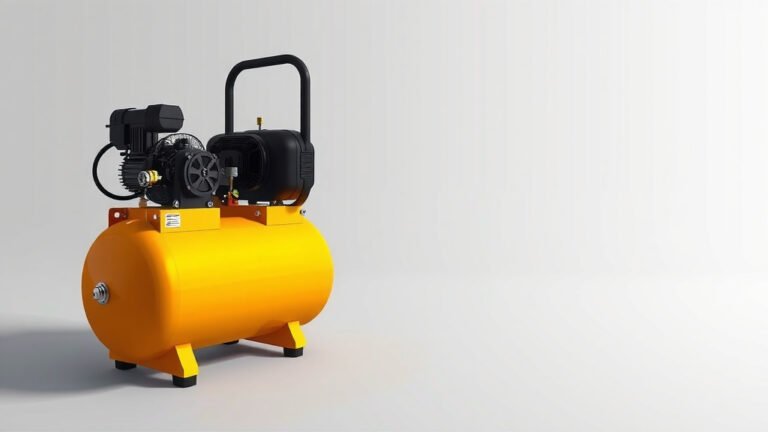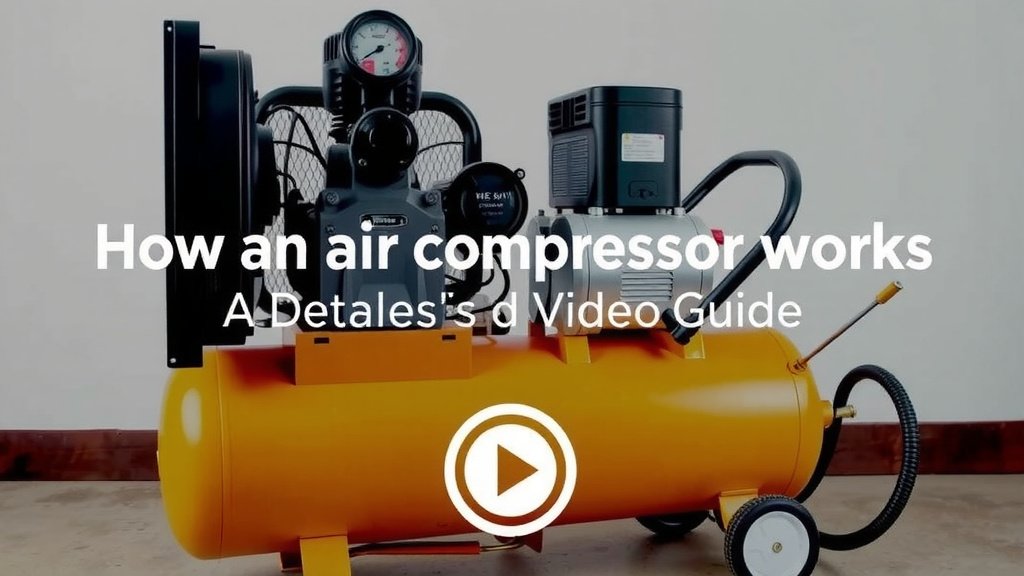
How an Air Compressor Works: A Detailed Video Guide
An air compressor works by drawing in ambient air and then compressing it into a smaller volume. This process increases the air’s pressure, making it ready for powering tools or other applications. You can think of it like squeezing a balloon; the air inside gets much more forceful.
Understanding this basic principle is key to appreciating how air compressors can power everything from nail guns to industrial machinery. They are essentially air pumps on steroids, providing the high-pressure air needed for many tasks. We found that most compressors follow this fundamental mechanical action.
- Air compressors work by trapping air and squeezing it.
- This action increases the air’s pressure.
- The compressed air then powers tools or equipment.
- Different types exist, but the core function is the same.
- It’s all about making air more powerful.
Below, we’ll break down exactly how an air compressor achieves this simple yet powerful feat, step by step.
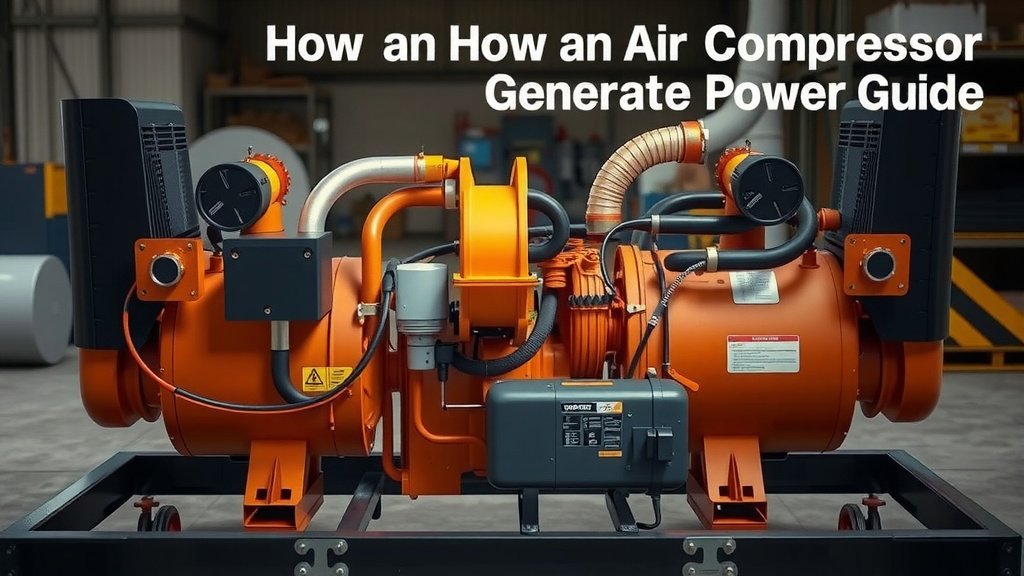
Understanding How an Air Compressor Generates Power
So, you’re curious about how these powerful machines actually make compressed air, right? It’s a pretty neat process. At its core, an air compressor works by taking regular, uncompressed air and squeezing it into a much smaller space. This squeezing action, known as compression, dramatically increases the air’s pressure. Think of it like pushing down on a sponge; you’re forcing the air out and making it more compact and forceful. This pressurized air is then stored and ready to do work.
We found that most air compressors operate on a few fundamental mechanical principles. They all need a way to intake air, a method to compress it, and a system to store or deliver that pressurized air. The magic happens in the compression stage, where the volume of air is reduced, thereby increasing its pressure. This is the **key transformation** that makes an air compressor so useful.
The Journey of Air: From Intake to Compression
Let’s walk through the process step-by-step. It all begins with drawing in the air around us.
The Intake Valve: Breathing In
Every air compressor starts by sucking in outside air through an intake port. This air is usually filtered first. The filter is super important; it removes dust, dirt, and other tiny particles. You don’t want those things getting inside the compressor’s delicate parts. We found that cleaner air means a longer-lasting compressor and better performance. It’s like giving your compressor a clean breath of fresh air.
The Compression Mechanism: The Squeeze
This is where the actual “compressing” happens. There are several ways to achieve this, but the most common involve a piston or a screw mechanism. Let’s look at the piston type first, as it’s found in many common models.
Piston Compressors: The Classic Method
Imagine a bicycle pump. A piston compressor works very similarly, but on a much larger and more powerful scale. A piston moves up and down inside a cylinder. As the piston moves down, it creates a vacuum, and this vacuum pulls air in through the intake valve. When the piston moves back up, it closes the intake valve and squeezes the trapped air into a smaller space. This **increases the air pressure** significantly.
Many piston compressors use two stages of compression for higher pressures. In a two-stage compressor, the air is first compressed in one cylinder and then sent to a second, smaller cylinder for further compression. This allows for much higher output pressures. We found that this two-stage process is common in industrial settings where **very high pressures** are needed.
Rotary Screw Compressors: Continuous Flow Power
Another common type, especially for larger, industrial applications, is the rotary screw compressor. Instead of pistons, these use two interlocking helical screws. As the screws rotate, they trap pockets of air and move them along the length of the screws. The space between the screws gets progressively smaller, which compresses the air. This method provides a **continuous flow of compressed air**, unlike the pulsating flow from piston compressors.
Rotary screw compressors are known for their efficiency and quiet operation. They are designed for heavy-duty, continuous use. We found that their design makes them ideal for applications that require a constant supply of compressed air.
The Storage Tank: Holding the Power
Once the air is compressed, it needs a place to go. This is where the storage tank, often called a receiver, comes in. The high-pressure air is pumped into this tank. The tank acts like a reservoir, holding a supply of compressed air ready for immediate use. This is **essential for tools** that require quick bursts of air, like nail guns or impact wrenches.
The tank also helps to cool the compressed air slightly. As air is compressed, it heats up. Letting it sit in the tank for a bit allows some of that heat to dissipate. Additionally, the tank helps to even out the pressure fluctuations from the compression process, providing a more consistent output pressure to your tools. We found that the size of the tank often dictates how long you can run a tool before the compressor has to cycle back on.
Essential Components Working Together
Several other components play a vital role in keeping your air compressor running smoothly and safely.
The Pressure Switch: The Brains of the Operation
You don’t want your compressor to keep running forever. That’s where the pressure switch comes in. This device monitors the air pressure inside the tank. When the pressure reaches a certain preset level (the “cut-off” pressure), the switch tells the motor to shut off. This prevents the tank from over-pressurizing, which is a **critical safety feature**. When you use air, the pressure drops. Once it falls to a lower preset level (the “cut-in” pressure), the pressure switch turns the motor back on to refill the tank. It’s a smart system that automates the whole process.
The Safety Valve: The Backup Plan
What if the pressure switch fails? That’s a scary thought, but there’s a backup: the safety valve. This is a mechanical device designed to release excess pressure if it exceeds a safe limit. It’s typically set to a pressure slightly higher than the cut-off pressure of the pressure switch. If the pressure gets too high, this valve will open and vent air, **preventing a dangerous buildup** of pressure. Many guidelines stress the importance of regularly testing your safety valve (Mayo Clinic).
The Drain Valve: Getting Rid of Moisture
Compressed air often contains moisture. When the air cools down in the tank, this moisture can condense into water. If left unchecked, this water can cause rust and damage the tank and the tools you use. Most compressors have a drain valve at the bottom of the tank. You’ll need to open this valve periodically to release the accumulated water. We found that draining your tank daily, especially in humid conditions, is a simple habit that can significantly **extend the life** of your air compressor.
A Quick Checklist for Understanding Compressor Function
To summarize the core function, think of it this way:
- You want compressed air.
- The compressor draws in ambient air.
- A mechanism (like a piston or screw) squeezes this air.
- The pressure of the air goes way up.
- This high-pressure air is stored in a tank.
- It’s then ready to power your tools.
Conclusion
You now understand how your air compressor takes simple air and turns it into powerful work energy. From the initial intake and filtering to the mechanical squeeze by pistons or screws, every step is designed to increase pressure. The storage tank holds this power, while the pressure switch and safety valve ensure it operates correctly and safely. Regularly draining moisture is a simple habit that protects your investment.
Your next step is to apply this knowledge. Next time you use a tool powered by compressed air, you’ll know exactly what’s happening behind the scenes. Happy compressing!
Frequently Asked Questions
What’s the main difference between a piston and a rotary screw air compressor?
Piston compressors use a back-and-forth motion like a bicycle pump to compress air. Rotary screw compressors use two interlocking screws to continuously trap and compress air. We found piston types are common for smaller jobs, while rotary screws excel in continuous, high-volume industrial use.
Why is filtering the air so important before compression?
Air filters remove dust, dirt, and debris from the air before it enters the compressor. We found that this prevents damage to internal components, like pistons and cylinders. Cleaner air leads to a longer lifespan and better performance for your compressor.
How does the storage tank help in using compressed air?
The storage tank acts as a reservoir for compressed air, allowing you to use air in quick bursts without the motor constantly running. We found this provides a more consistent pressure output to your tools. It also helps cool the air and reduces pressure fluctuations.
What is the purpose of the pressure switch on an air compressor?
The pressure switch monitors the air pressure inside the tank. When the pressure reaches a set high point, it shuts off the motor to prevent over-pressurization. We found this is a key safety feature that automates the compressor’s operation.
Why is it important to drain moisture from the air compressor tank?
Compressed air naturally contains moisture, which can condense into water when cooled. We found that this water can cause rust and damage the tank and your air tools over time. Draining the tank regularly removes this harmful moisture.