How Long Can an Air Compressor Run Safely
An air compressor can run for a very long time, often continuously for hours, depending on its type and size. Smaller compressors might cycle on and off more frequently, while larger industrial units are built for prolonged operation. The main factors are the motor size and the tank capacity.
You might be wondering if running your air compressor too long is a bad idea. We found that most modern compressors are designed for extended use. Overheating is the primary concern, but automatic shut-off features are common. Your compressor’s manual is the best place to find specific run-time limits for your particular model.
- Most air compressors can run for hours.
- Smaller units cycle on and off more often.
- Larger compressors are built for continuous operation.
- Overheating is the main risk, but safety features exist.
- Always check your specific model’s manual for limits.
Let’s get into the details and figure out exactly how long your air compressor can keep up the pressure.
Understanding Air Compressor Runtime: How Long Can Yours Go?
You’ve got a project, and your air compressor is ready to help. But a nagging question pops up: how long can it actually run? The good news is that most modern air compressors are built for durability. They aren’t typically designed for just a few minutes of work. Many can operate for quite a while, but the exact time depends on a few key factors we’ll break down for you.
Motor Power: The Engine of Your Compressor
The motor’s horsepower is a big indicator of how much work your compressor can handle. A more powerful motor generally means it can run longer without straining. Think of it like comparing a small, efficient car to a powerful truck. The truck can pull heavier loads for longer distances. Similarly, a higher horsepower motor can keep up with demand more consistently.
Horsepower vs. Duty Cycle
It’s not just about raw horsepower, though. Many compressors have a duty cycle rating. This tells you the percentage of time the motor can run within a 10-minute period without overheating. A 50% duty cycle means it can run for 5 minutes and then needs to rest for 5 minutes. A 100% duty cycle rating means it’s designed for continuous operation.
- Look for this rating on the compressor’s nameplate.
- Higher duty cycles mean longer run times.
- It’s a key factor for demanding jobs.
Tank Size: Your Air Reserve
The air tank is like the fuel tank for your air tools. A larger tank holds more compressed air. This means your compressor motor doesn’t have to run as often to keep the pressure up. If you have a small tank, the motor will cycle on and off more frequently to refill it. This can lead to shorter periods of continuous tool use before the compressor needs to catch its breath.
How Tank Size Affects Runtime
Imagine filling a tiny bucket versus a huge barrel with a hose. The tiny bucket needs constant refilling. The huge barrel can supply water for a long time before you need to turn the hose back on. Your air tank works the same way. For tasks that use a lot of air, like running an impact wrench or sandblaster, a larger tank is much more beneficial.
Small Tanks: Frequent Cycling
Compressors with smaller tanks (think 1-6 gallons) are great for quick jobs like inflating tires or using a brad nailer for short bursts. However, they cycle on and off frequently. If you’re using an air tool that constantly draws air, the motor might not get enough rest between cycles, especially if it doesn’t have a high duty cycle rating.
Large Tanks: Extended Use
Larger tanks (20 gallons and up) provide a substantial reserve. This allows the compressor motor to run for longer periods, building up pressure. Once the tank is full, the motor can stop, and you can use your tools for a longer stretch before the pressure drops significantly. These are ideal for workshops and continuous use scenarios.
Types of Air Compressors and Their Run Times
Not all air compressors are created equal. The type you have plays a huge role in how long it can operate. We found that different designs are suited for different demands. The type of air compressor you have plays a huge role in how long it can operate, as different designs are suited for different demands.
Piston Compressors: The Workhorses
Most portable and shop-style air compressors use a piston design. These are common for DIYers and small businesses. Their run time is heavily influenced by their motor’s duty cycle and tank size, as we’ve discussed. Many residential models are rated for 50% duty cycles, meaning they need to cool down after running for about 5 minutes out of every 10.
Rotary Screw Compressors: Built for Endurance
Industrial settings often use rotary screw compressors. These are designed for heavy-duty, continuous operation. They use rotating screws to compress air, which is a more efficient method for large volumes. We found that these units can run 24/7, meaning they are rated for a 100% duty cycle. They have sophisticated cooling systems to manage heat during prolonged use.
| Compressor Type | Typical Duty Cycle | Common Applications | Expected Run Time |
|---|---|---|---|
| Small Piston (Portable) | 50% | Tire inflation, air brushing, brad nailing | Short bursts, cycles frequently |
| Medium Piston (Shop) | 50%-75% | Impact wrenches, framing nailers, painting | Moderate periods, moderate cycling |
| Large Piston (Industrial) | 75%-100% | Heavy-duty tools, continuous air needs | Longer periods, less frequent cycling |
| Rotary Screw (Industrial) | 100% | Manufacturing, large workshops, continuous use | Continuous operation (hours/days) |
Heat: The Silent Killer of Run Time
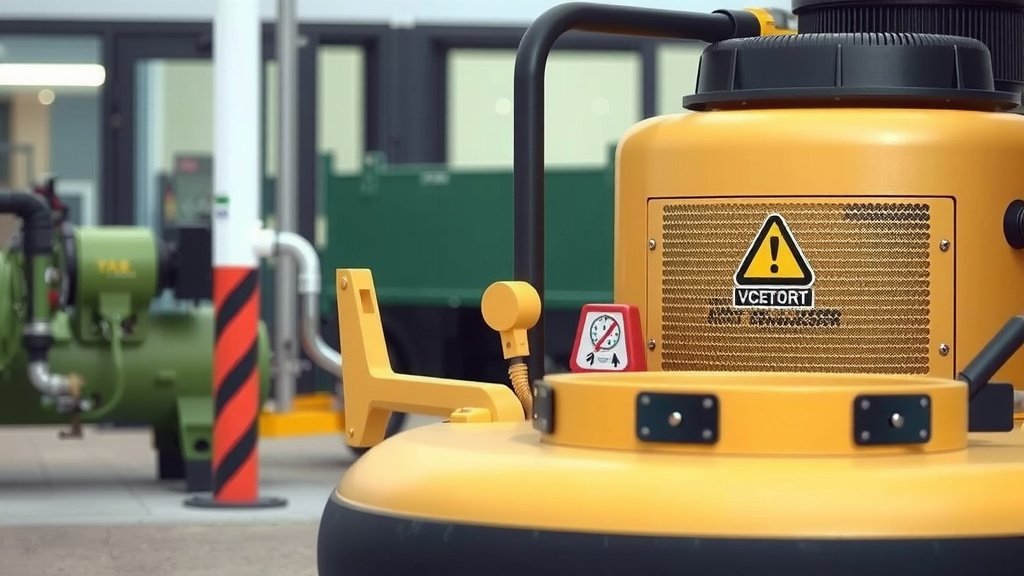
The biggest enemy of continuous air compressor operation is heat. As the motor and compressor pump work, they generate heat. If this heat isn’t dissipated effectively, it can cause damage and force the unit to shut down. This is why duty cycle and cooling systems are so important.
Overheating Protection
Thankfully, most compressors have built-in safety features. Thermal overload protectors are common. If the motor gets too hot, this device will automatically shut it down to prevent damage. You’ll usually need to let the compressor cool down for a while before it can be restarted. Always check if your compressor has this feature.
Ventilation is Key
Where you operate your compressor matters. Ensure it has plenty of ventilation. Don’t run it in a small, enclosed space where heat can build up. Proper airflow helps keep the motor and pump cool, allowing for longer run times. Think of it like giving your compressor room to breathe.
Maximizing Your Compressor’s Performance
Want to get the most out of your air compressor without running into issues? Here are a few tips we found helpful.
- Regular Maintenance: Keep oil levels correct (if applicable) and filters clean. A well-maintained compressor runs more efficiently.
- Match Tool to Compressor: Don’t try to run a high-demand tool on a small compressor for extended periods. Know your tool’s CFM requirements.
- Don’t Push It: If you hear the motor straining or notice excessive heat, it’s time to give it a break.
- Listen for Changes: Unusual noises can indicate a problem. Address them before they lead to a shutdown.
When to Consult Your Manual
We can’t stress this enough: your compressor’s owner’s manual is your best friend. It will tell you the manufacturer’s recommended maximum run times, duty cycles, and maintenance schedule. Ignoring this can lead to premature wear and tear or even damage. It’s the definitive guide for your specific model.
A Quick Checklist for Healthy Compressor Runs
- Confirm your compressor’s duty cycle rating.
- Ensure adequate ventilation around the unit.
- Check that your air tank size matches your typical usage.
- Listen for any unusual noises during operation.
- Follow the maintenance schedule outlined in your manual.
- Allow for cool-down periods if your compressor cycles frequently.
Conclusion
You’ve learned that your air compressor’s runtime depends on its motor, tank size, and type. Most modern units can run for extended periods, especially larger or industrial models designed for continuous use. Always prioritize your compressor’s health by ensuring good ventilation and performing regular maintenance. If you’re unsure about your specific model’s limits, your owner’s manual is your definitive guide. For your next project, take a moment to check these factors, and you’ll be able to work longer and more efficiently without worry.
Frequently Asked Questions
Can I run my air compressor all day?
Whether you can run your air compressor all day depends heavily on its type and duty cycle. Smaller portable compressors with lower duty cycles need rest periods to avoid overheating. Larger industrial units, like rotary screw compressors with a 100% duty cycle, are designed for continuous 24/7 operation.
What happens if my air compressor overheats?
If your air compressor overheats, its internal thermal overload protector will likely shut it down to prevent damage. You’ll need to unplug the unit and allow it to cool down completely before you can restart it. This is why proper ventilation and respecting duty cycle limits are so important for preventing overheating.
How does tank size affect how long my compressor can run?
A larger air tank acts as a reservoir, storing more compressed air. This means your compressor’s motor doesn’t have to kick on as often to maintain pressure while you’re using air tools. For tools that consume air rapidly, a bigger tank allows for longer periods of uninterrupted use.
Should I worry about the duty cycle of my air compressor?
Yes, you should definitely pay attention to your air compressor’s duty cycle. This rating tells you the percentage of time the motor can run within a 10-minute period without overheating. A 50% duty cycle means it needs 5 minutes of rest for every 5 minutes of running, so understanding this is key to avoiding strain.
Is it bad to let my air compressor cycle on and off frequently?
Frequent cycling of your air compressor, especially for smaller units, can indicate that it’s working hard to keep up with demand. While normal for smaller tanks, constantly cycling can put more wear on the motor and potentially lead to overheating if the compressor doesn’t have adequate rest time between cycles. Match your compressor to your typical air tool usage.