Air Compressor Tank Lifespan: How Long Will Yours Last
An air compressor tank can last anywhere from 10 to 20 years, sometimes even longer. Its lifespan really depends on how you treat it and the quality of the tank itself. Regular maintenance is key to getting the most life out of your compressor tank.
When we talk about how long an air compressor tank lasts, we’re looking at a combination of factors. Things like the material it’s made from and the environment it operates in play a big role. Properly draining your tank is probably the single biggest thing you can do to extend its life.
- Air compressor tanks typically last 10-20 years.
- Proper maintenance significantly extends tank life.
- Draining the tank regularly prevents rust.
- The tank’s material and operating environment matter.
- Quality of the tank plays a crucial role.
Let’s get into the details of what affects your air compressor tank’s longevity and how you can help it reach its full potential.
Understanding Your Air Compressor Tank’s Lifespan
So, you’re curious about how long your air compressor tank will stick around, huh? It’s a fair question! Think of your tank like the sturdy lungs of your compressor. It holds all that compressed air ready for action. Most tanks can comfortably serve you for about **10 to 20 years**. But just like a good pair of shoes, how long it lasts really depends on how you treat it.
We found that a combination of factors influences this longevity. It’s not just a simple number; it’s a mix of the tank’s design, materials, and your own maintenance habits. We’ll break down what really makes a difference.
Key Factors Affecting Tank Durability
Material Matters: Steel vs. Aluminum
The material your tank is made from plays a big role. Most common air compressor tanks are made of **steel**. Steel is strong and generally affordable, making it a popular choice. However, steel can be prone to rust if not cared for properly.
On the other hand, some higher-end or specialized compressors might use **aluminum**. Aluminum tanks are lighter and naturally resist rust. This can give them an edge in humid environments. But they might be more expensive upfront. We found that for most home and shop use, a well-maintained steel tank is a solid performer.
The Role of the Environment
Where you keep and use your air compressor is more important than you might think. Tanks stored in **damp or humid locations** are more susceptible to rust, especially steel tanks. Moisture is the enemy here!
Think about it: if your tank is constantly exposed to salty air or high humidity, it’s like giving rust a constant invitation to move in. We recommend keeping your compressor in a **dry, well-ventilated area** whenever possible. This simple step can really help fend off corrosion.
Daily Habits: Your Maintenance Routine
This is where you have the most control. Your daily and weekly maintenance habits are **super important**. Little things you do consistently can add years to your tank’s life. It’s less about a single big fix and more about a series of small, smart actions.
The Power of Draining
We cannot stress this enough: **drain your tank regularly**. Why? Because compressed air naturally holds moisture. As the air cools inside the tank, this moisture condenses into water. If this water sits there, it will corrode the inside of the tank. This is especially true for steel tanks.
How often? After each use is ideal. Some systems have an automatic drain, but many require you to manually open a drain valve at the bottom. It takes maybe 30 seconds, and it’s the single best thing you can do. Many guidelines point to this as a primary factor for tank longevity (Industrial Safety and Health).
Checking for Leaks and Wear
Periodically, give your tank a visual inspection. Look for any signs of **rust spots**, especially around seams or welds. Also, listen for any unusual hissing sounds that might indicate a small leak. Catching these issues early can prevent bigger problems down the road.
Quality and Design Considerations
The Manufacturer’s Mark
Not all tanks are created equal. The **quality of the manufacturing** plays a part. Tanks made by reputable brands often use better materials and have stricter quality control during production. This means fewer potential weak points.
We found that tanks built to specific industry standards, like ASME (American Society of Mechanical Engineers) codes, are generally built to be safer and last longer. These standards ensure the tank can handle the pressures it’s designed for over many cycles.
Internal Coatings: A Protective Layer
Some newer or higher-quality tanks may have an **internal coating**. This coating acts as a barrier between the metal of the tank and the condensed moisture. It’s like a raincoat for the inside of your tank, offering extra protection against rust and corrosion.
If your tank has a coating, be extra careful not to damage it. Avoid over-draining or using harsh cleaning agents inside the tank, as these could potentially degrade the coating over time. The U.S. Department of Labor’s Occupational Safety and Health Administration (OSHA) often highlights protective measures for compressed air systems.
When to Consider Replacement
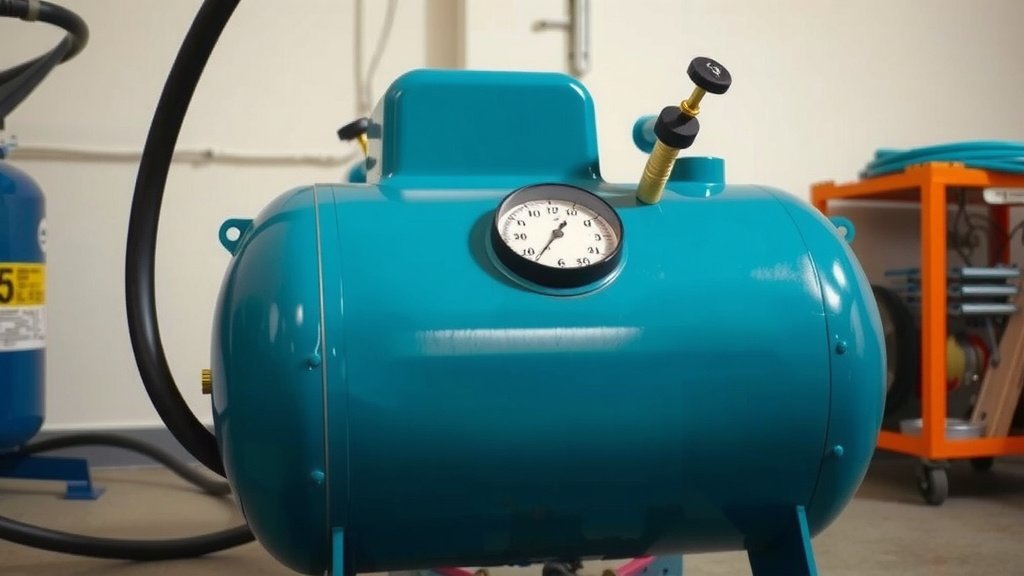
Even with the best care, all good things come to an end. You might need to think about replacing your tank if you notice:
- Significant rust or pitting on the exterior.
- Dents or damage to the tank structure.
- Persistent air leaks that can’t be fixed.
- The tank is visibly corroded on the inside during inspection.
It’s always better to be safe than sorry. A compromised air tank can be a serious safety hazard. If you have any doubts about your tank’s condition, consult a professional or consider replacement. Your safety is the top priority.
Maximizing Your Tank’s Life: A Quick Checklist
Want to give your air compressor tank the best chance at a long life? Follow this simple checklist:
- Drain the tank after every use to remove water.
- Store your compressor in a dry, protected area.
- Visually inspect for rust or damage regularly.
- Listen for and fix any air leaks promptly.
- Ensure your tank meets safety standards for its application.
- Avoid over-pressurizing the tank beyond its rated capacity.
Conclusion
You’ve learned that your air compressor tank’s lifespan isn’t set in stone. While most steel tanks offer a solid 10 to 20 years, your consistent care is the real secret weapon. Simple habits like regularly draining moisture, storing your compressor in a dry spot, and keeping an eye out for rust can truly make a difference.
By focusing on these maintenance steps, you’re not just extending the life of your equipment; you’re ensuring safer operation. So, make draining your tank a routine, and your compressor will be ready for your projects for years to come.
Frequently Asked Questions
How often should I drain my air compressor tank?
The best practice is to drain your air compressor tank after each use. Compressed air naturally contains moisture, which condenses into water inside the tank. Letting this water sit can cause rust and corrosion over time.
Can I leave my air compressor tank outside?
It’s generally not recommended to leave your air compressor tank outside, especially if it’s made of steel. Exposure to humidity and moisture, particularly in damp or coastal environments, will significantly accelerate rust and degradation of the tank.
What does it mean if my tank has rust spots?
Rust spots on your air compressor tank indicate that the metal is oxidizing, usually due to moisture. If you see rust, especially on the exterior, it’s a sign that you need to inspect the tank more closely for potential corrosion and ensure you’re draining it properly.
Are aluminum air compressor tanks better than steel?
Aluminum tanks are lighter and naturally resist rust, which can be an advantage in humid areas. However, steel tanks are very common, generally more affordable, and can last a very long time with proper maintenance. The best choice depends on your environment and budget.
When is an air compressor tank considered unsafe?
An air compressor tank becomes unsafe if you notice significant structural damage, deep pitting or corrosion on the inside or outside, or if it has persistent, unfixable leaks. A compromised tank can be a safety hazard, so it’s best to replace it if you have any doubts about its integrity.