Inflate Your Paddle Board Fast With Air Compressor Guide
Yes, you can inflate your paddle board with an air compressor, but you need the right adapter and a bit of caution. Most paddle boards require a specific PSI, and air compressors can easily over-inflate them if you’re not careful. It’s generally recommended to use a high-pressure pump designed for paddle boards for best results.
Using an air compressor can seem like a quick fix, especially if you’re eager to hit the water. However, research and experience show that it’s critical to monitor the pressure closely. Many experts recommend setting your compressor to a lower pressure and using a stand-up paddle board (SUP) specific electric pump for precise inflation. This ensures your board reaches the recommended firmness without damage.
- Use a SUP-specific adapter for your compressor.
- Set the compressor to a low pressure initially.
- Monitor the PSI constantly with a gauge.
- Stop inflating once you reach the recommended PSI for your board.
- Consider a dedicated SUP electric pump for ease and safety.
Let’s walk through the steps and precautions to safely inflate your paddle board using an air compressor. We’ll cover the adapters you might need and how to keep an eye on that pressure gauge.
Powering Up Your Paddle Board: Using an Air Compressor Safely
Can you really use your trusty air compressor to get your paddle board ready for the water? The short answer is yes, but with some important steps to follow. It’s not quite as simple as just hooking it up and hitting the ‘on’ switch. You need the right tools and a keen eye on the pressure.
Understanding the Pressure Challenge
Most inflatable paddle boards (iSUPs) need to reach a specific PSI (pounds per square inch) to be rigid and perform well. This PSI is often quite high, sometimes between 12-20 PSI. Regular air compressors found in garages are designed for different tasks, like filling car tires, which require much lower pressures. Trying to inflate your board with one of these without precautions can lead to over-inflation very quickly.
When a board is over-inflated, it can burst. That’s a pretty expensive mistake! Research shows that the seams and the board’s material can only handle so much pressure before they fail (National Association of State Boating Law Administrators). This is why using the right equipment and techniques is so important for your board’s longevity and your safety.
Why the High PSI Matters
The high PSI is what makes your inflatable paddle board feel like a solid board. It pushes out all the air, making the board stiff and stable enough to stand on. If it’s not firm enough, it will feel wobbly and mushy. This can make paddling difficult and less enjoyable. Getting the correct pressure is key to a good ride.
Essential Gear You’ll Need
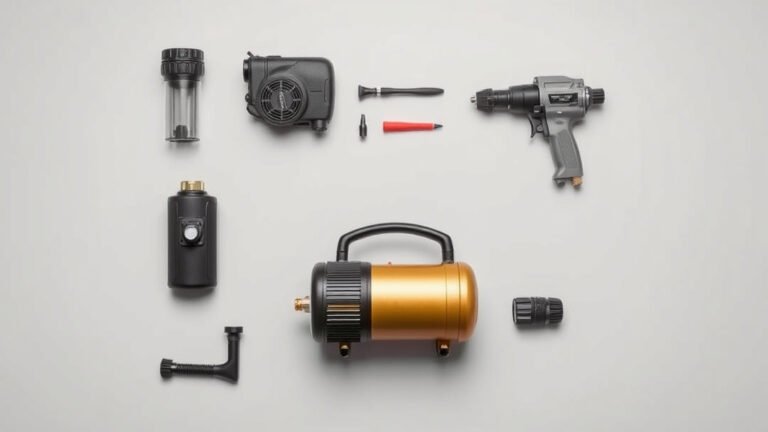
Before you even think about turning on the compressor, gather your supplies. You can’t just connect a standard compressor hose to your board’s valve. You need a special adapter that fits both your compressor and your board’s unique inflation valve.
The Magic Adapter: Your Valve Connector
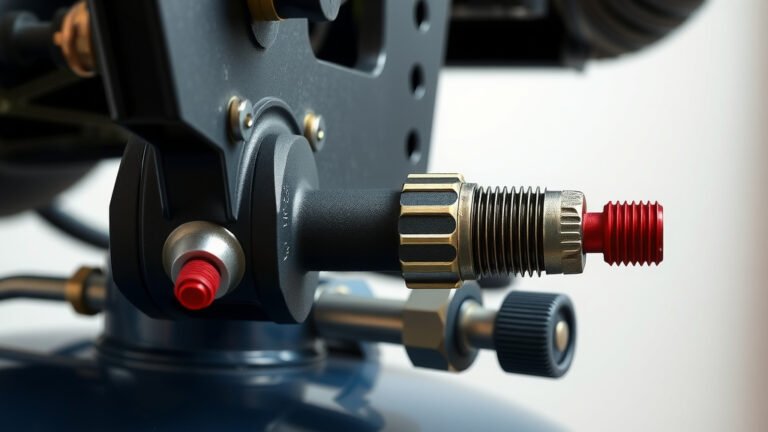
Most iSUPs use a Halkey-Roberts (HR) valve or a similar type. Your air compressor likely has a Schrader valve connection (the kind found on car tires). You will need an adapter that effectively bridges this gap. Many companies sell SUP-specific inflation adapters that screw onto the HR valve and have a fitting for a standard air hose.
When you’re shopping for this adapter, double-check its compatibility. Look for descriptions that specifically mention fitting HR valves and standard air compressor hoses. Sometimes, these adapters are sold as part of a kit, or you might find them separately. We found that checking online retailers or specialty paddle board shops is usually the easiest way to find the right adapter.
Don’t Forget the Pressure Gauge!
This is arguably the most critical piece of equipment when using an air compressor. Your compressor might have a built-in gauge, but these aren’t always accurate for the high pressures used in paddle boards. You need a separate, reliable digital or analog pressure gauge that can accurately read up to 20 PSI or more.
Some specialized SUP pumps come with integrated gauges. If you plan to inflate boards often, investing in one of these might be a smart move. For now, ensure your standalone gauge is calibrated or known to be accurate. It will be your best friend in preventing over-inflation.
The Step-by-Step Inflation Process
Alright, you’ve got your adapter and your gauge. Now it’s time to inflate. Remember, we’re taking this slow and steady to protect your board.
Step 1: Attach the Adapter and Hose
First, make sure your paddle board is laid out on a clean, flat surface. Locate the inflation valve and ensure it’s clean and free of debris. Screw your Halkey-Roberts adapter firmly onto the valve. Then, connect your air compressor hose to the other end of the adapter.
Step 2: Set Your Compressor (Carefully!)
This is where caution is key. If your compressor has adjustable pressure settings, set it to its lowest possible output. We’re not trying to blast air into the board at full force. Some experts suggest setting it to around 5 PSI initially, if possible. If your compressor doesn’t have fine-tuned control, be prepared to use the ‘on/off’ switch very judiciously.
Step 3: Monitor the Pressure Constantly
Begin inflating. Keep a constant eye on your separate pressure gauge. Don’t walk away! As the pressure starts to climb, you’ll need to be ready to stop the flow of air. If you’re using a compressor that doesn’t have a low-pressure setting, you might only need to run it for a few seconds at a time.
Listen to your board. As it starts to firm up, it will make a taut sound. This is your cue to check the gauge more frequently. Many guidelines recommend inflating to a specific PSI based on your board’s manual (SUP Manufacturer Association).
Step 4: Reach and Maintain the Target PSI
Inflate until your gauge shows the recommended PSI for your specific paddle board. Once you hit that number, immediately turn off the compressor and disconnect the hose. You might hear a hiss as you disconnect; this is normal. The board should feel very firm.
If you accidentally go a few PSI over, don’t panic. You can often release a little air by pressing the center pin on the HR valve with the tip of your adapter or a small tool. Just don’t release too much!
When to Consider a Dedicated SUP Pump
While using an air compressor is possible, it’s not always the easiest or safest method. We’ve found that many paddle board owners eventually switch to a dedicated electric SUP pump. These pumps are designed specifically for the task. They have built-in, accurate pressure gauges and safety shut-offs.
They are often battery-powered or can plug into your car’s 12V outlet. This makes them convenient for use at the beach or lake. Research shows these pumps allow you to set your desired PSI, and the pump will automatically stop when it reaches that level. This removes much of the guesswork and risk associated with using a general-purpose air compressor.
Quick Checklist for Compressor Inflation
- Confirm your board’s recommended PSI.
- Get the correct SUP valve adapter.
- Use a reliable, separate pressure gauge.
- Set your compressor to its lowest output.
- Inflate in short bursts, monitoring pressure.
- Stop immediately at the target PSI.
Conclusion
Inflating your paddle board with an air compressor is achievable with the right precautions. You’ve learned that using a specialized adapter and a separate pressure gauge are non-negotiable steps. Remember to always set your compressor to its lowest setting and monitor the PSI obsessively. The goal is to reach your board’s recommended pressure safely, avoiding costly damage from over-inflation. While this method works, consider that a dedicated electric SUP pump offers greater convenience and peace of mind for frequent paddlers. Now you’re ready to choose the method that best suits your needs!
Frequently Asked Questions
Can any air compressor be used to inflate a paddle board?
Not just any air compressor. You need to ensure you have the correct adapter to connect your compressor hose to your paddle board’s specific valve. Also, you must be able to control the pressure output very carefully.
What happens if I over-inflate my paddle board?
Over-inflating can cause serious damage to your paddle board. The seams can split, or the board could even burst. This is why constantly monitoring the pressure with an accurate gauge is so important for the board’s durability.
How do I know what PSI my paddle board needs?
Always check your paddle board’s manual or look for a label near the inflation valve. This will tell you the recommended PSI range for optimal performance and safety. Inflating within this range is key.
Is it better to use a manual pump or an air compressor?
A manual pump or a dedicated electric SUP pump designed for high PSI is generally safer and easier. They offer better control and are built for the task. An air compressor can work but requires more attention and specific accessories.
Where can I buy a SUP valve adapter for an air compressor?
You can typically find SUP valve adapters online through major e-commerce sites, from paddle board manufacturers directly, or at specialty watersports shops. Ensure the adapter specifies compatibility with your board’s valve type (like Halkey-Roberts) and standard air compressor hoses.