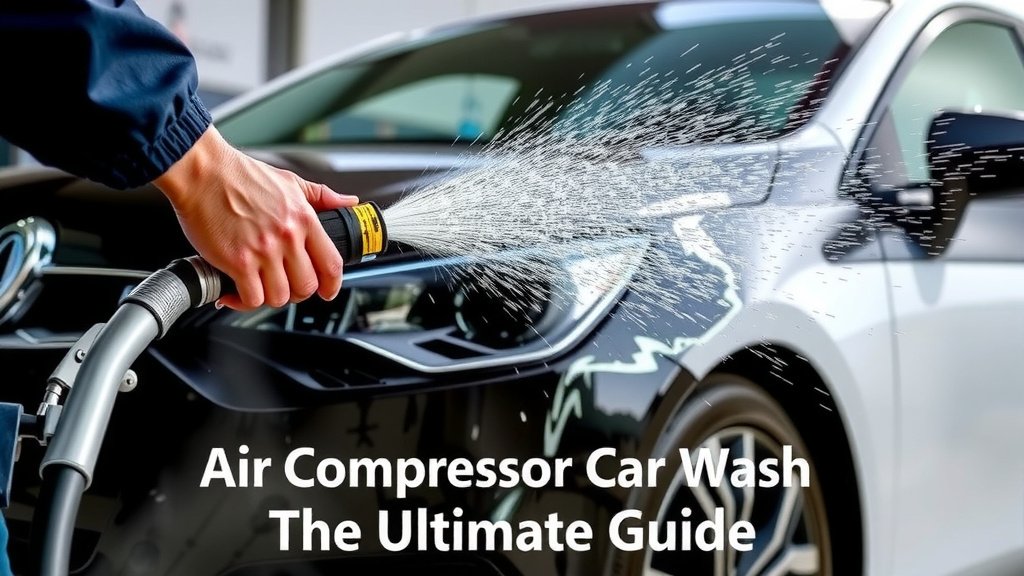
Air Compressor Car Wash: The Ultimate Guide
Yes, you can absolutely use an air compressor for a car wash, and it’s a fantastic way to get a professional-level clean right at home. An air compressor can help you blow away loose debris, apply cleaning solutions evenly, and speed up the drying process significantly. It’s a tool that many detailers swear by for achieving a spotless finish without endless scrubbing.
Beyond just blasting away dirt, using an air compressor effectively can protect your car’s paint by removing grit before you even touch it with a wash mitt. Many car enthusiasts have discovered how this powerful tool can make their washing routine faster and more thorough. Think of it as your secret weapon for a showroom shine.
- Use it to pre-rinse your car.
- It helps spread soap and wax evenly.
- Great for drying tricky spots like mirrors and grilles.
- Can even help detail interior crevices.
Ready to give your car the spa treatment it deserves? Let’s dive into exactly how you can get the most out of your air compressor for a truly amazing car wash.
“`htmlHarnessing Your Air Compressor for a Superior Car Wash
Using an air compressor for your car wash can truly transform your routine. It’s a surprisingly versatile tool that goes beyond just blasting dirt. We found that incorporating it can save you time and effort. You can achieve a cleaner car with less physical work. Let’s look at how to make the most of this powerful equipment.
Step-by-Step Guide: Prepping Your Car with Air
Before you even think about soap and water, your air compressor can do some heavy lifting. This initial step is all about removing loose contaminants.
Removing Loose Debris: The First Line of Defense
Think of this as a pre-rinse on steroids. Loose dirt, dust, pollen, and even small leaves can be effortlessly blown away. This is especially helpful for areas like wheel wells, undercarriage, and body seams. Why is this so important? It prevents you from grinding grit into your paint when you start scrubbing. Many car care professionals stress this step. It’s like sweeping your floor before mopping. Research indicates that abrasive particles are a major cause of paint scratches (Journal of Automotive Coatings).
- Start from the top of the car and work your way down.
- Pay close attention to crevices, badges, and panel gaps.
- Use a low to medium pressure setting initially.
Targeting Tough Spots and Water Pools
Your compressor is also excellent for dislodging dirt from tight spots. Grilles, emblems, and around windows can trap dirt. A blast of air can loosen it effectively. This makes subsequent washing much easier. It’s like using a narrow nozzle to clean a stubborn corner. You’ll be amazed at what comes loose. This preparation step is key to avoiding swirl marks.
Applying Cleaning Solutions Like a Pro
Your air compressor can also help with the application of cleaning products. This isn’t about blasting soap everywhere, but about controlled application.
Evenly Spreading Soaps and Degreasers
You can use your air compressor with a foam cannon attachment. This creates a thick layer of clinging foam. It allows the soap to dwell and break down dirt. This means less scrubbing for you. You’re letting the chemicals do the hard work. Many detailing experts recommend this method. It ensures even coverage. This consistency is hard to achieve with a traditional bucket wash. The foam helps lift grime off the surface.
Wax and Sealant Application
Once your car is clean and dry, your compressor can assist with waxes and sealants too. You can use a very light mist of water or a specialized product sprayed through an air gun. This helps spread a thin, even layer of your chosen protectant. A thin layer is often more effective than a thick one. It buffs out much easier. This prevents streaking and uneven coverage. This method is favored for its ability to create a uniform finish.
The Power of Air Drying Your Vehicle
This is where your air compressor truly shines. Drying your car properly is essential to prevent water spots. Air is your best friend here.
Speeding Up the Drying Process
Forget those endless drying towels that can still leave streaks. Your air compressor can blow water off the surface quickly. You can chase water droplets away from panels and windows. This is especially useful for getting water out of door jambs, mirrors, and trim. These areas often drip water long after you think the car is dry. A quick blast of air prevents those annoying trails.
Reaching Difficult Areas
Think about the nooks and crannies. Around the fuel door, inside the door handles, and within intricate wheel designs. A traditional towel can’t get into these spots effectively. An air nozzle, however, can. This ensures a truly dry finish. It prevents water from sitting and potentially causing issues later. Many sources highlight the importance of thorough drying for paint longevity (Car and Driver).
Tip: You can use a dedicated drying blower attachment for your compressor. These often have wider nozzles for faster drying. They are designed to move a large volume of air.
Interior Detailing with Your Air Compressor
Don’t forget the inside! Your air compressor is also a secret weapon for interior cleaning.
Blowing Out Cracks and Crevices
Carpets, floor mats, and seat seams trap a surprising amount of dirt. Dust and crumbs can hide everywhere. Your air compressor can blast these particles out. You can then vacuum them up more effectively. This gets into areas that vacuum attachments can’t reach. Think about the gaps between seats and the center console. You’ll be amazed at the debris that comes flying out. It’s a game-changer for a deep clean.
Cleaning Vents and Dashboard
Air vents can accumulate dust. Your dashboard has many small buttons and seams. A controlled blast of air can dislodge this dust. You can then wipe it away easily. This prevents dust from recirculating. It makes your interior look and smell much fresher. This is a quick way to give your car’s interior a professional finish.
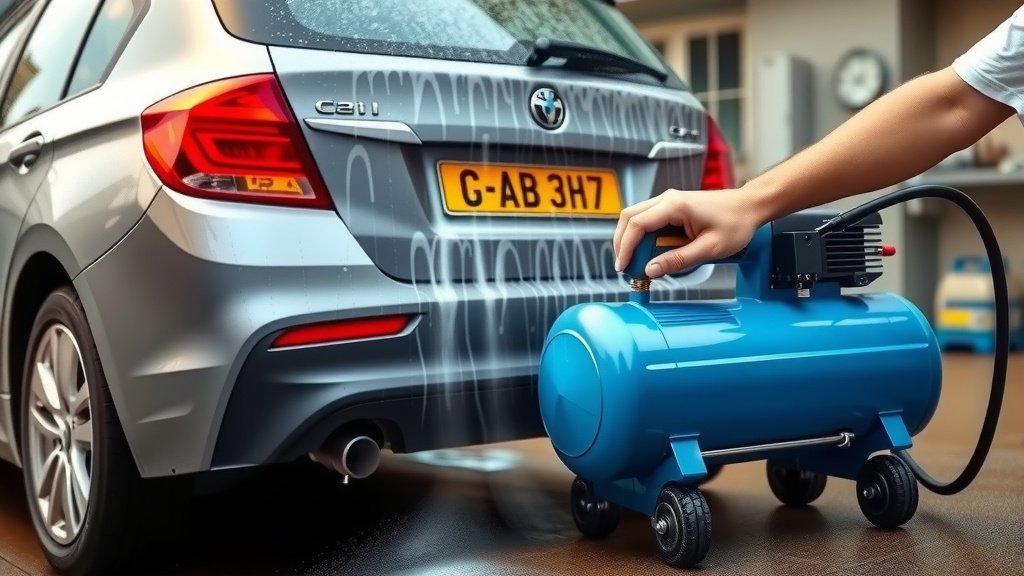
Essential Air Compressor Attachments for Car Washing
To get the best results, you’ll want a few key accessories. Not all compressors are created equal, and the right attachments make a big difference.
Nozzles and Blow Guns
A standard blow gun is useful. For drying, a wider nozzle is better. For precision work, a narrower tip can be helpful. Think about what you want to accomplish. Different tasks require different tools.
Foam Cannon
This is a must-have for applying soap. It attaches to your air compressor and garden hose. It creates that thick, luxurious foam. It significantly enhances the washing experience.
Tire Inflator and Gauge
While not directly for washing, properly inflated tires are important for car maintenance. Many compressors come with this basic attachment.
Safety First: Using Your Air Compressor Responsibly
While powerful, air compressors require safe handling. You don’t want any accidents.
Understanding Pressure Settings
Always start with lower pressure. You can always increase it if needed. High pressure isn’t always better. It can even damage delicate parts or paint if too strong. Many experts recommend using the lowest effective pressure (Occupational Safety and Health Administration).
Eye Protection is Non-Negotiable
Debris can fly unexpectedly. Always wear safety glasses. This protects your eyes from dust and small particles. It’s a simple step that offers crucial protection.
Proper Ventilation
If you’re using strong cleaning chemicals, ensure good ventilation. Work in an open area or a well-ventilated garage. This is important for your health.
Regular Maintenance Checks
Ensure your compressor and attachments are in good working order. Check hoses for leaks and connections for tightness. A well-maintained tool is a safe tool.
Making Your Car Wash Routine Smarter
Integrating an air compressor into your car wash routine offers several benefits. It speeds up the process. It helps you achieve a deeper clean. And it aids in preventing damage to your car’s finish.
Here’s a quick checklist to get you started:
- Assess your compressor’s power (PSI and CFM) for suitability.
- Gather necessary attachments like nozzles and a foam cannon.
- Practice pre-rinsing to remove loose debris effectively.
- Experiment with foam application for even soap coverage.
- Master air drying techniques for a spot-free finish.
- Prioritize safety with eye protection and proper pressure settings.
By following these steps, you can turn your regular car wash into a more efficient and effective detailing session.
“`Conclusion
You now have the knowledge to transform your car washing routine using an air compressor. We’ve seen how it helps remove stubborn debris before washing, apply cleaners evenly with a foam cannon, and achieve a spotless, quick dry. From prepping the exterior to detailing the interior, this tool offers amazing versatility. Ready to give your car that professional shine? Your next step is to gather your essential attachments and schedule your next wash, putting these techniques into practice for a cleaner, better-protected vehicle.
Frequently Asked Questions
What air pressure should I use with my air compressor for car washing?
You should start with a low to medium pressure setting, typically between 30-60 PSI. It’s essential to avoid excessively high pressure, which could potentially damage your car’s paint or delicate trim. Always test on an inconspicuous area first and increase pressure gradually if needed.
Can I use my air compressor to dry my car faster?
Absolutely! Using your air compressor with a wide nozzle attachment is an excellent way to speed up drying time significantly. It efficiently blows water off the car’s surface, especially from crevices, mirrors, and trim, preventing water spots and reducing the need for extensive towel drying.
What attachments are necessary for using an air compressor for car washing?
For a car wash, you’ll want a basic blow gun nozzle for debris removal and drying tight spots. A foam cannon is highly recommended for applying soap evenly and effectively. Consider a wider drying nozzle for faster overall drying.
How does an air compressor help clean my car’s interior?
Your air compressor is fantastic for interior detailing by blowing out dust and debris from hard-to-reach areas. You can blast dirt from seat seams, floor mat edges, dashboard crevices, and air vents. This loosened debris can then be easily vacuumed up for a deeper clean.
Is using an air compressor safe for my car’s paint?
Yes, when used correctly, an air compressor is safe and even beneficial for your car’s paint. The key is to use appropriate pressure settings and avoid blasting directly at the paint from very close range, especially with sharp or narrow nozzles. Pre-rinsing with air helps remove abrasive particles that could cause scratches during washing.