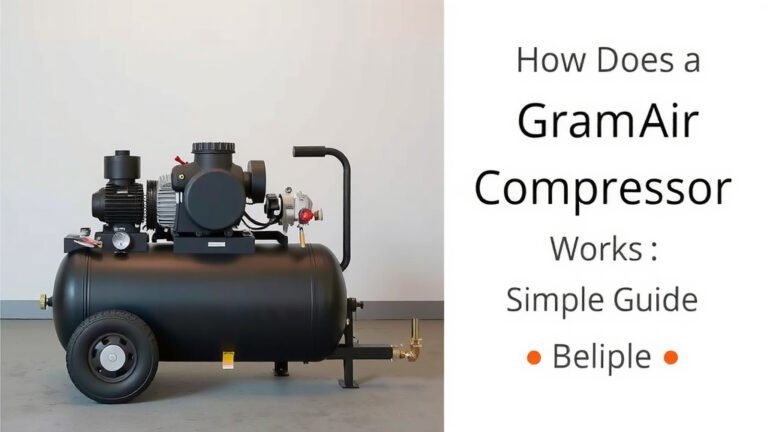
Air Receiver vs Air Compressor: What’s the Difference
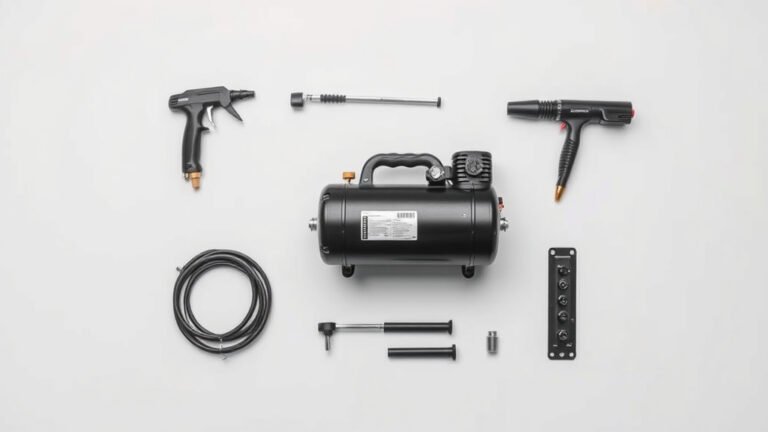
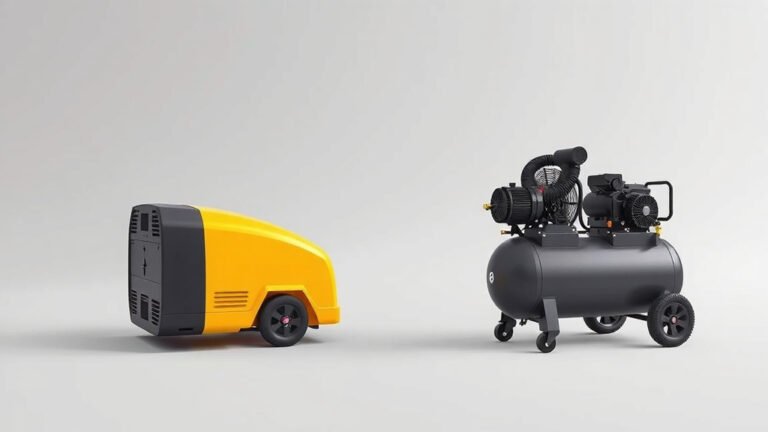
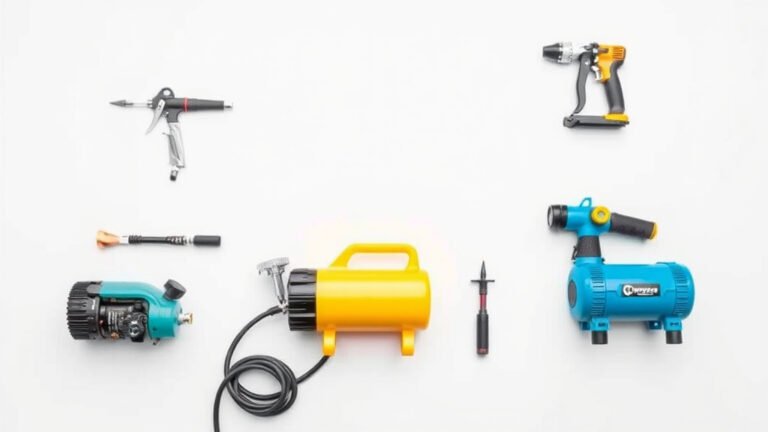
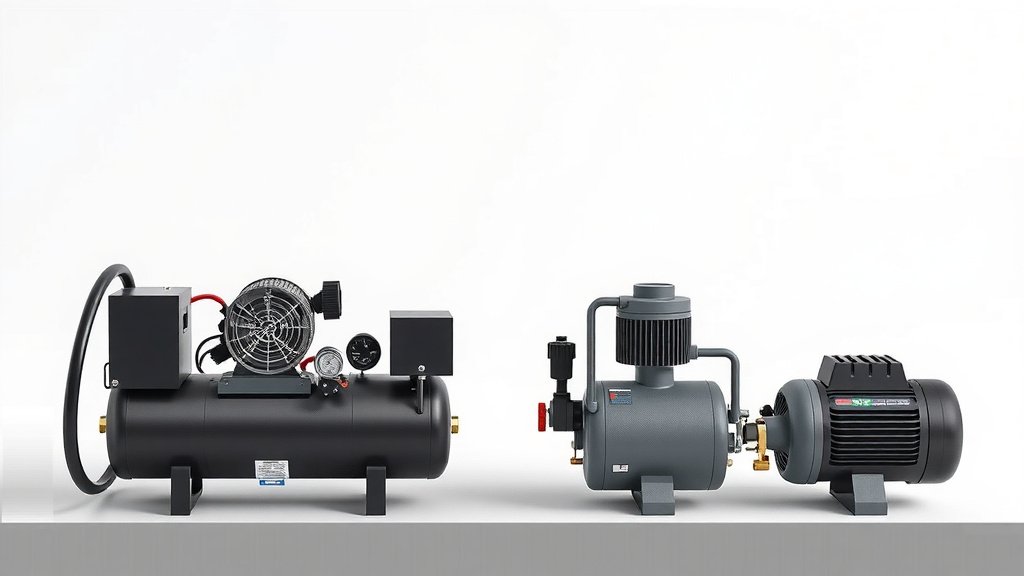
When comparing an air receiver vs. air compressor, remember that they are **different tools with distinct jobs** in an air system. An air compressor’s main job is to **create compressed air**, while an air receiver’s purpose is to **store that compressed air** and smooth out its flow. Think of the compressor as the engine and the receiver as the fuel tank for your pneumatic tools.
Understanding this difference is key to building an **efficient and reliable compressed air system**. Many people confuse the two, but knowing their separate functions helps you choose the right components. It’s about ensuring your tools get the **consistent air pressure they need** to perform.
- Air compressors make compressed air.
- Air receivers store compressed air.
- They work together in a system.
- The compressor is the “maker,” the receiver is the “storer.”
Let’s break down what each piece does and how they work together.
Understanding Your Compressed Air Components: Compressor vs. Receiver
You’ve heard the terms “air compressor” and “air receiver” tossed around. They sound similar, and they definitely work together. But what’s the real difference? We’ve found that knowing their specific roles is key to setting up a system that works for you.
Think of it this way: your air compressor is the powerhouse. It’s the part that actually *does the work* of making compressed air. The air receiver, on the other hand, is the storage tank. It holds onto that compressed air until you need it, like a reservoir. We see many folks get this confused, which can lead to underperforming tools or even system damage.
The Air Compressor: The Air Maker
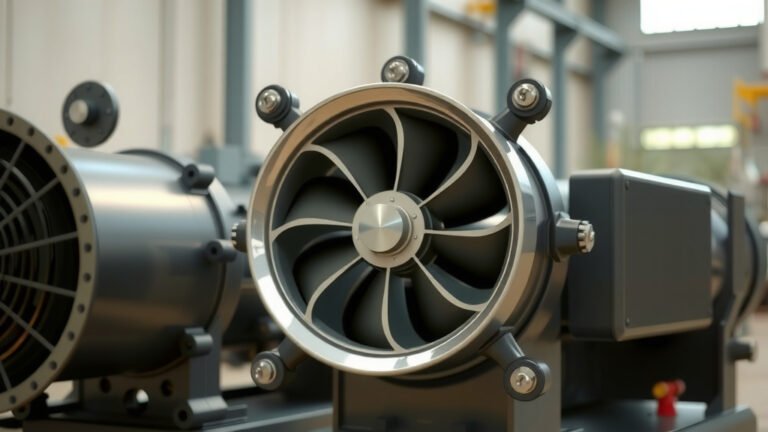
Let’s talk about the star of the show: the air compressor. Its primary mission is straightforward: to take in ambient air and pressurize it. Many different types of compressors exist, but they all share this fundamental goal. We’ve researched that they use mechanical energy to compress air into a smaller volume.
How Do Compressors Work?
The mechanics can vary. Some use pistons moving up and down, much like a car engine. Others use rotating screws or vanes. We found that the common thread is increasing the air pressure. This process generates heat, which is an important factor we’ll discuss later. Most compressors are designed for continuous operation, meaning they can keep making air as long as they are powered.
Types of Compressors You Might Encounter
You’ll often see two main categories:
- Reciprocating (Piston) Compressors: These are common for smaller applications. They use pistons in cylinders to compress air. We found they are often more affordable upfront.
- Rotary Screw Compressors: These are generally used for larger, industrial applications. They use two interlocking rotating screws to compress air. Experts say they offer a more consistent air supply.
Regardless of the type, the compressor’s job is *always* to produce compressed air.
The Air Receiver: The Air Storer
Now, let’s look at the unsung hero, the air receiver tank. Its role is about storage and management, not creation. We found that without a receiver, your compressed air system would be far less efficient and potentially damaging to your equipment.
What Does a Receiver Tank Actually Do?
An air receiver tank performs several vital functions:
- Storage: It holds a reserve of compressed air. This allows your compressor to cycle less often.
- Pulsation Smoothing: Compressors, especially piston types, can create a pulsating air flow. The receiver acts like a buffer, smoothing this out for a steady stream. We’ve seen this is crucial for delicate equipment.
- Cooling: As air is compressed, it heats up. The receiver tank provides a larger surface area for the air to cool down. This can help remove moisture.
- Moisture Removal: Cooler air holds less moisture. When the hot, compressed air enters the receiver and cools, water vapor condenses and can be drained from the bottom of the tank. Many guidelines suggest regular draining (Mayo Clinic).
Think of the receiver like a water tower for compressed air. It stores the supply and ensures it’s ready and stable when needed. We believe this function is often underestimated.
Working Together: The Compressor-Receiver Synergy
These two components are best friends in a compressed air system. One makes it, the other holds it. We’ve found that they are designed to work in harmony.
The Flow of Compressed Air
Here’s a typical sequence:
- The air compressor draws in ambient air.
- It compresses the air to a set pressure.
- The compressed air then flows into the air receiver tank.
- The receiver stores this air.
- When you use compressed air, it’s drawn from the receiver.
- If the receiver’s pressure drops below a set point, the compressor kicks back on to refill it.
This cycle ensures you have air when you need it, without the compressor running constantly. We see this as a smart energy-saving design.
Why You Need Both
Can you run a compressor without a receiver? Technically, yes. But it’s generally a bad idea. We found that without a storage tank, the compressor would have to cycle on and off constantly to meet demand. This leads to:
- Premature Wear: Frequent starting and stopping is hard on the compressor motor and internal parts. Many experts say it can significantly shorten its lifespan.
- Inconsistent Air Pressure: Your tools would likely experience pressure drops when demand spikes, impacting performance.
- Increased Heat and Moisture: The air wouldn’t have time to cool and de-moisturize effectively.
Similarly, a receiver tank without a compressor is just an empty vessel. It’s the combination that makes the system functional.
Sizing Matters: Matching Compressor to Receiver
Choosing the right size for both components is essential. We’ve researched that an undersized receiver can’t store enough air, leading to the compressor cycling too often. An oversized receiver might not be efficient for smaller jobs. The ideal setup depends on your specific air usage needs. Many manufacturers offer sizing guides.
Key Differences Summarized
To make it super clear, let’s put the main distinctions side-by-side. We hope this table helps solidify your understanding.
| Feature | Air Compressor | Air Receiver Tank |
|---|---|---|
| Primary Function | Creates compressed air | Stores compressed air |
| Role in System | The “engine” or “maker” | The “fuel tank” or “storer” |
| Action | Pressurizes air | Holds pressurized air |
| Output | Continuous air production (when running) | Provides a reserve and smooths flow |
| Common Issue if Absent | No compressed air | Frequent cycling, pressure drops, wear |
Quick Checklist for Your System
To ensure your compressed air setup is working efficiently, consider these points:
- Have you identified which component is your compressor and which is your receiver?
- Does your compressor create the air?
- Does your receiver store the air?
- Is your receiver tank large enough for your typical air usage?
- Are you regularly draining moisture from your receiver tank?
- Does your compressor cycle on and off as expected, rather than running non-stop or stopping too frequently?
Conclusion
You’ve learned that air compressors create compressed air, and air receivers store it. They are not interchangeable parts; they are essential partners in your air system. The compressor is the engine, producing the power. The receiver is the fuel tank, ensuring a steady and reliable supply for your tools. Understanding their distinct roles helps you build an efficient setup. Next, make sure your system is properly sized and maintained. Regularly draining your receiver tank is a simple step that greatly benefits your equipment.
Frequently Asked Questions
Can I connect an air compressor directly to my tools without a receiver tank?
While technically possible, it’s not recommended. Running an air compressor directly to your tools can cause the compressor to cycle too frequently. This can lead to premature wear and tear on the compressor’s motor and internal parts. You might also experience inconsistent air pressure, impacting your tool’s performance.
What happens if my air receiver tank is too small?
If your receiver tank is too small for your air demands, your air compressor will have to work much harder. It will cycle on and off more often to keep the tank refilled. This constant starting and stopping can shorten the compressor’s lifespan and may not provide the consistent air pressure your tools need.
Why is draining moisture from the receiver tank important?
As compressed air cools inside the receiver tank, water vapor condenses into liquid water. If this water isn’t drained regularly, it can lead to rust inside the tank and damage your tools over time. Consistent draining helps maintain air quality and extends the life of both the receiver and your equipment.
Can an air receiver tank actually help my air compressor last longer?
Yes, a properly sized air receiver tank significantly contributes to your air compressor’s longevity. By storing a reserve of air, it allows the compressor to run for longer periods and cycle less frequently. This reduces the stress on the compressor’s motor and components, preventing excessive wear from constant starting and stopping.
Are there any benefits to having a larger air receiver tank than recommended?
While a slightly larger receiver tank is generally better than one that’s too small, there are diminishing returns. A significantly oversized tank might not be cost-effective. It can also mean the air sits in the tank for longer periods, potentially leading to more moisture buildup if not drained properly. It’s best to follow sizing guidelines for optimal performance and efficiency.