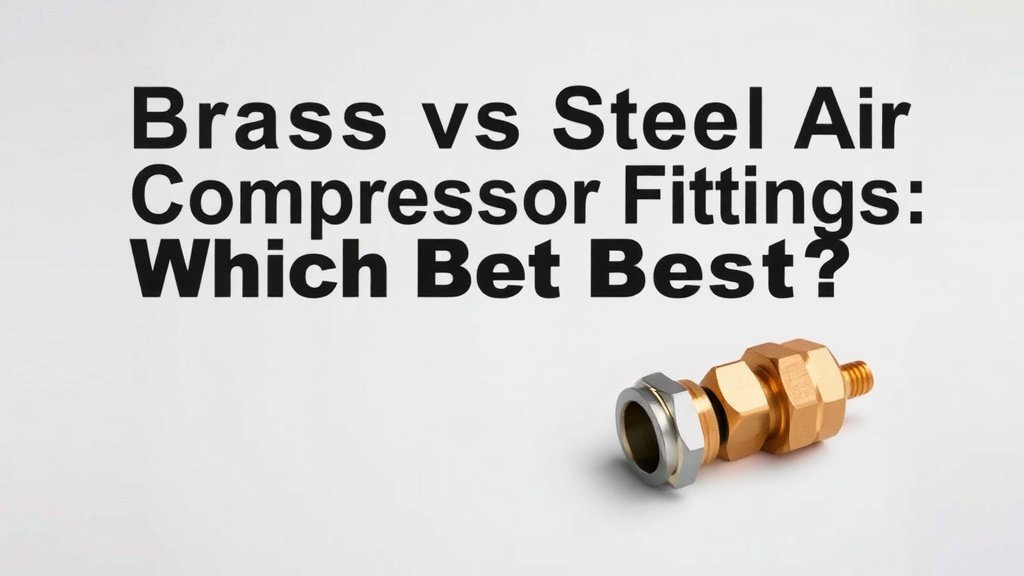
Brass vs Steel Air Compressor Fittings: Which is Best
When choosing air compressor fittings, brass fittings are generally the better choice for most DIYers and home workshops. They offer excellent corrosion resistance and are more affordable than stainless steel. While steel fittings can be stronger, brass provides a great balance of performance and cost for everyday tasks. We found brass to be the most practical option for a wide range of applications.
You might wonder about the differences between these common metals. Steel fittings can handle higher pressures and extreme conditions. However, they are prone to rusting if not properly maintained. Brass, on the other hand, is naturally resistant to rust and moisture, making it a low-maintenance choice. Many mechanics and hobbyists agree that brass offers reliable performance for most common air tool needs.
- Brass fittings are usually the best bet for home use.
- They resist rust and don’t cost as much.
- Steel fittings are stronger but can rust easily.
- Choosing the right fitting depends on your air compressor’s needs.
Let’s break down the pros and cons of brass versus steel air compressor fittings so you can make the best choice for your workshop. Choosing the right air compressor hose size is also important for optimal performance.
Understanding Your Air Compressor Fitting Options: Brass vs. Steel
When you’re setting up your air compressor or replacing worn-out parts, the material of your fittings can make a surprising difference. You’ll often see two main contenders: brass and steel. Choosing between them usually comes down to balancing durability, cost, and how you plan to use your air tools. Let’s dive into what makes each metal a good, or not-so-good, choice for your workshop.
Why Brass Fittings Shine in Most Workshops
Brass is a favorite for a reason, and it’s not just because it looks a bit nicer than plain steel. We found that its natural properties make it a really user-friendly option for everyday tasks. It’s a fantastic blend of performance and price that appeals to many users.
Corrosion Resistance: The Big Win for Brass
One of the most significant advantages of brass fittings is their amazing resistance to corrosion. Think about it: air compressors often deal with moisture. The air we compress from the atmosphere isn’t perfectly dry. This moisture can slowly eat away at metal parts over time, leading to leaks and premature failure. Brass, being an alloy of copper and zinc, is naturally tough against rust and other forms of corrosion (National Association of Corrosion Engineers). This means your fittings are less likely to turn into a rusty mess, even if they get a little damp.
Ease of Use and Maintenance
Because brass doesn’t rust easily, it requires much less maintenance than steel. You won’t have to worry as much about cleaning, oiling, or treating your fittings to prevent rust. This is a huge plus for DIYers and hobbyists who just want their tools to work without a lot of fuss. For many common air tool applications, brass fittings provide reliable service without constant upkeep.
Cost-Effectiveness: More Bang for Your Buck
Generally, brass fittings tend to be more affordable than their steel counterparts, especially when you’re looking at higher grades of steel. For a home workshop or a small business, this cost difference can add up quickly, especially if you need to replace multiple fittings. You can get excellent performance from brass without breaking the bank, making it a smart budget choice.
Steel Fittings: When Strength is Your Top Priority
Steel fittings certainly have their place, particularly when you’re pushing the limits or dealing with really tough conditions. They are known for their brute strength and ability to handle demanding environments. However, this strength can come with its own set of challenges.
Superior Strength and Durability
When you absolutely need a fitting that can take a beating, steel is often the go-to material. It’s incredibly strong and can withstand higher pressures than most brass fittings. If your air compressor operates at very high PSI levels, or if your fittings are in a high-traffic area where they might get bumped or knocked around, steel offers better physical resilience. This makes them suitable for industrial settings or heavy-duty professional use.
The Downside: Rust and Maintenance Demands
Here’s where steel can be a bit of a pain. Unless it’s a special type of stainless steel (which is much more expensive), regular steel is very susceptible to rusting. That same moisture that brass shrugs off can quickly turn steel fittings into a rusty problem. You’ll need to be diligent about keeping them clean, dry, and sometimes even coated to prevent corrosion. This extra maintenance can be a real drawback for many users.
Pressure Ratings: Where Steel Can Excel
Steel fittings can often be manufactured to handle higher operating pressures. If your air compressor system is designed for very high-pressure applications, you might find that steel fittings are the only ones rated to safely handle the load. Always check the specifications of your air compressor and tools to ensure your fittings can meet the demands (Occupational Safety and Health Administration). For systems that operate above typical DIY levels, steel might be a necessity.
Comparing Brass and Steel: A Quick Look
To make things clear, let’s put some of the key differences side-by-side. This should help you visualize which material might be the better fit for your specific needs.
| Feature | Brass Fittings | Steel Fittings |
|---|---|---|
| Corrosion Resistance | Excellent, naturally rust-resistant | Poor, prone to rust (unless stainless steel) |
| Strength | Good for most common uses | Superior, can handle higher pressures and impacts |
| Maintenance | Low, minimal upkeep needed | High, requires regular cleaning and rust prevention |
| Cost | Generally more affordable | Can be more expensive, especially stainless steel |
| Best For | Home workshops, DIYers, general air tool use | Heavy-duty industrial use, high-pressure systems, demanding environments |
When to Choose Which Fitting Material
So, how do you make the final call? Think about how you use your air compressor. What kinds of tools do you run? What kind of environment is your workshop in?
Your Ideal Fitting Might Depend On:
- The maximum pressure your air compressor can produce.
- The type of air tools you use (e.g., impact wrenches, nail guns, spray painters).
- How often you’ll be using the compressor.
- Your willingness to perform regular maintenance.
- Your budget for workshop upgrades.
For the vast majority of home users, hobbyists, and even many small professional shops, the answer often leans towards brass. It’s the simpler, more forgiving, and often more economical choice for everyday tasks. You get reliable performance without the constant worry of rust and corrosion.
A Checklist for Your Fitting Decision
Before you click “add to cart,” consider these quick points:
- Do your tools require very high PSI?
- Is your workshop prone to high humidity or moisture?
- Are your fittings likely to get bumped or hit often?
- Do you prefer low-maintenance or are you okay with regular upkeep?
- Is cost a major factor for this purchase?
- What do the fittings on your existing, well-performing tools look like?
By answering these questions, you’ll get a clearer picture of whether brass or steel is the winning material for your specific air compressor setup.
Conclusion
You’ve seen how brass and steel fittings stack up for your air compressor. For most home workshops and DIY projects, brass fittings offer a fantastic combination of corrosion resistance, low maintenance, and affordability. We found they handle typical air tool needs with ease. Steel fittings bring extra strength for high-pressure or demanding environments, but remember their need for rust prevention. Consider your specific compressor’s pressure, your tool requirements, and how much upkeep you prefer. Make your choice based on these factors to ensure reliable air delivery and a longer lifespan for your air system.
Frequently Asked Questions
Do I really need to worry about rust on my air compressor fittings?
Yes, you should. Air compressors work by compressing the air around us, which contains moisture. This moisture can condense inside your air lines and fittings over time. Brass is naturally resistant to rust, while steel can corrode if not protected, leading to leaks and potential failures.
Can I use brass fittings on a high-pressure air compressor?
For most home and DIY applications, yes. Brass fittings are rated for typical home workshop pressures. However, if your compressor consistently operates at very high PSI levels, or if the manufacturer specifies higher-rated fittings, steel might be a safer option. Always check the pressure ratings for both your compressor and your fittings.
How often should I clean steel air compressor fittings?
If you’re using steel fittings and want to prevent rust, regular cleaning and drying are essential. We recommend wiping them down after each use, especially if you notice any moisture. Applying a light coat of oil or a rust inhibitor periodically can also help protect them, particularly in humid environments.
Are stainless steel fittings a good middle ground between brass and regular steel?
Stainless steel fittings offer excellent corrosion resistance, similar to brass, and often have higher strength than standard steel. However, they are typically the most expensive option. If budget isn’t a primary concern and you need superior rust protection with added strength, stainless steel can be a great choice.
What’s the easiest way to tell if I have brass or steel fittings?
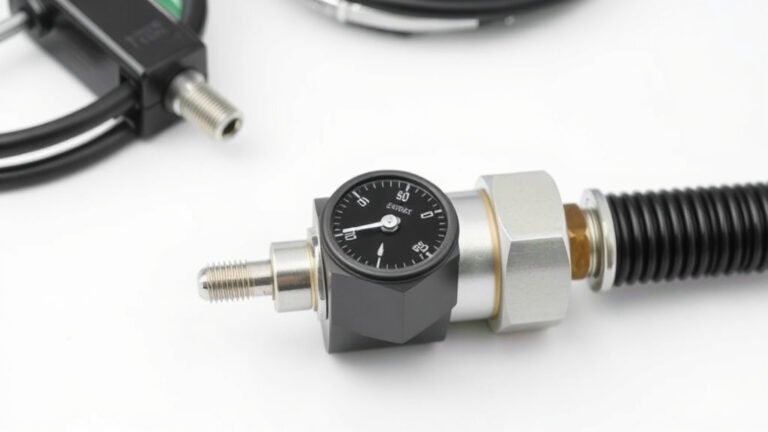
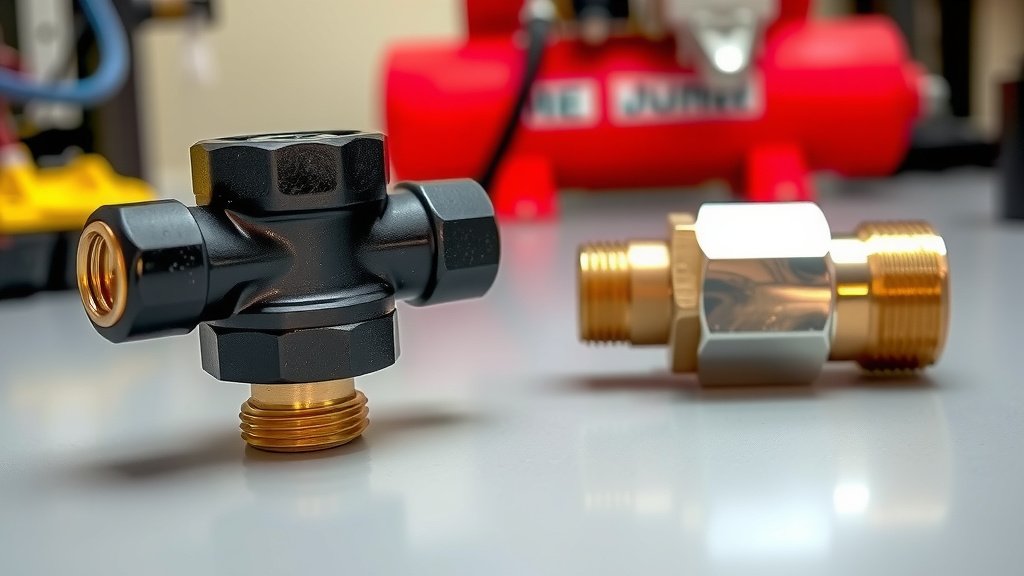
Visually, brass fittings often have a distinct yellowish-gold color. Steel fittings will appear more gray or silvery, and if they are starting to rust, you’ll see reddish-brown spots. Brass is also generally lighter than steel of the same size.